Texas National Guard Deploys 200 Troops to Illinois for 60-Day Federal Protection Mission, Sparking Legal Fight and Political Outcry
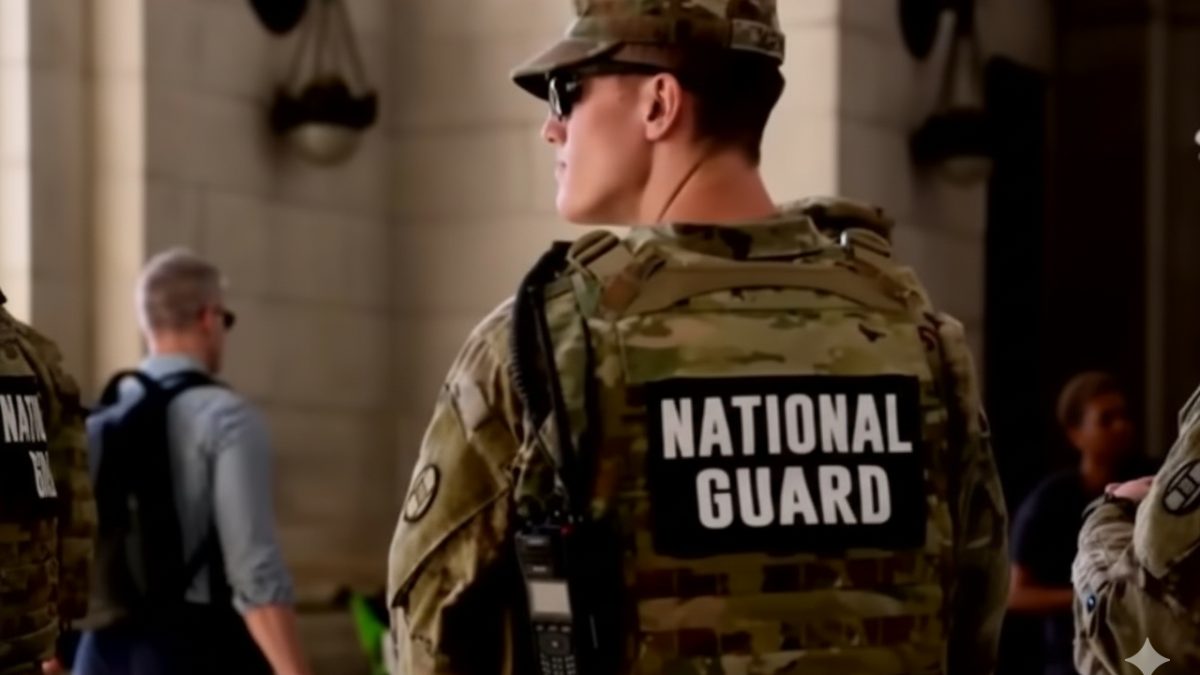
The Texas National Guard has deployed 200 troops to Illinois on a 60‑day federal protection mission to safeguard federal personnel and property amid anti‑immigration protests in the Chicago area, prompting lawsuits and sharp political backlash.
Key takeaways
- Who: 200 members of the Texas National Guard were federally ordered to deploy to Illinois.
- What: A 60‑day federal protection mission to protect federal personnel and property amid protests.
- Where: Troops arrived at the U.S. Army Reserve Center in Elwood and are positioned to support operations in the Chicago area.
- Legal fallout: Illinois Governor J.B. Pritzker and Chicago Mayor Brandon Johnson sued, calling the move unlawful; the federal government was ordered to respond quickly in court.
Deployment details and command
The Pentagon confirmed that Texas National Guard troops arrived in Illinois to carry out a federally directed, 60‑day protection mission assigned to secure federal functions, personnel and property amid anti‑immigration protests. Reporting and footage show troops staging at the U.S. Army Reserve Center in Elwood, southwest of Chicago, as a visible sign of the interstate deployment. The Pentagon statement was reported by Fox News.
Texas Governor Greg Abbott described the deployment as support for federal law enforcement, saying troops are “on the ground and ready to go,” framing the move as needed amid what he called lawlessness at protest sites. Local images and video document disciplined troop movements and logistical staging at the Elwood facility.
Local reaction: City and state officials push back
Illinois Governor J.B. Pritzker and Chicago Mayor Brandon Johnson sharply condemned the deployment as unlawful and politically motivated. Mayor Johnson, who has publicly opposed federal immigration enforcement practices in the city, signed an executive order establishing what he described as “ICE‑free zones,” barring federal immigration agents from using city property for enforcement and limiting local cooperation.
City and state leaders filed a lawsuit seeking to block the deployment. A federal judge ordered the administration to respond within two days and set an expedited hearing, underscoring the legal urgency. Reporting on the arrival and the legal filings was covered by the Military Times.
Federal justification and broader context
White House and administration officials say the move is part of a broader effort to respond to what they characterize as lawlessness surrounding anti‑immigration protests in the Chicago area and to protect federal personnel and property. Officials cited tense incidents near federal Immigration and Customs Enforcement operations — including accounts of federal agents being boxed in by vehicles — as justification for a defensive protection mission.
Administration rhetoric has referenced broader authorities and hinted at stronger measures if state and local governments interfere with federal enforcement, echoing prior debates over the use of federal forces in domestic settings. International coverage of the troop arrivals was also provided by Sky News.
Legal questions and precedent
The interstate deployment of state National Guard troops under federal orders raises constitutional and statutory questions about federal authority, state sovereignty, and the role of military forces in domestic civil disturbances. Illinois’ lawsuit argues the action is unlawful and presents risks to residents; courts will weigh federal claims of protecting federal functions against state and local claims of overreach and threats to civil liberties.
Legal experts note that while the federal government can activate National Guard units under Title 10 for federal missions, using such forces in politically charged domestic settings tests the limits of military involvement in U.S. cities. Past deployments and court challenges — including disputes arising from earlier federal actions in cities such as Portland — provide precedent but not definitive answers.
Protests and public safety
Anti‑immigration protests in Chicago, particularly in neighborhoods with large Latino populations, have grown in size and intensity. Demonstrations have specifically targeted ICE operations and at times turned tense, producing arrests and confrontations with federal agents. Local reporting and video show protesters surrounding federal vehicles and challenging enforcement operations — events cited by federal officials as grounds for the protection mission.
Visual media from the Elwood arrival — including recorded footage shared online — have fueled both concern among local leaders and support among national figures who argue that a federal presence is necessary to restore order. See the Video of troop arrival at Elwood Army Reserve Training Center.
Political stakes and national reaction
The deployment fits a pattern of federal responses to unrest in Democratic‑run cities that critics call politically motivated. Supporters contend the actions protect federal employees and uphold the rule of law; opponents say they inflame tensions, undermine local control and risk normalizing military or militarized responses to domestic protest. President Trump and administration allies have amplified criticism of Chicago leadership and used forceful rhetoric to justify tougher tactics.
What comes next
The expedited lawsuit filed by Illinois and Chicago will move quickly through the federal courts. A judge has ordered a rapid response from the administration and scheduled a near‑term hearing to test the legal basis for deploying out‑of‑state National Guard units under federal control. The court outcome will likely shape limits on similar deployments and clarify the balance between protecting federal functions and respecting state and local sovereignty.
Implications for California, USA
While the deployment occurs in Illinois, California may feel indirect effects: federal spending and asset allocation could shift, political leaders will watch precedent for federal interventions in sanctuary cities, and immigrant communities may view the episode as a warning about increased federal presence near local enforcement actions. California officials and advocacy groups are likely to monitor the litigation closely and consider policy adjustments on cooperation with federal agencies.
Practical applications for local officials include reviewing policies on use of city property, cooperation with federal agencies, and preparing for demonstrations; community groups should track the court process because rulings could affect the likelihood of comparable deployments elsewhere.
Sources and further reading
- Fox News: “Texas National Guard deploys 200 troops to Illinois for federal protection mission amid protests”
- Military Times: “Texas National Guard members arrive in Illinois”
- Sky News: “Hundreds of Texan National Guard troops arrive at army base near Chicago”
- Video of troop arrival at Elwood Army Reserve Training Center