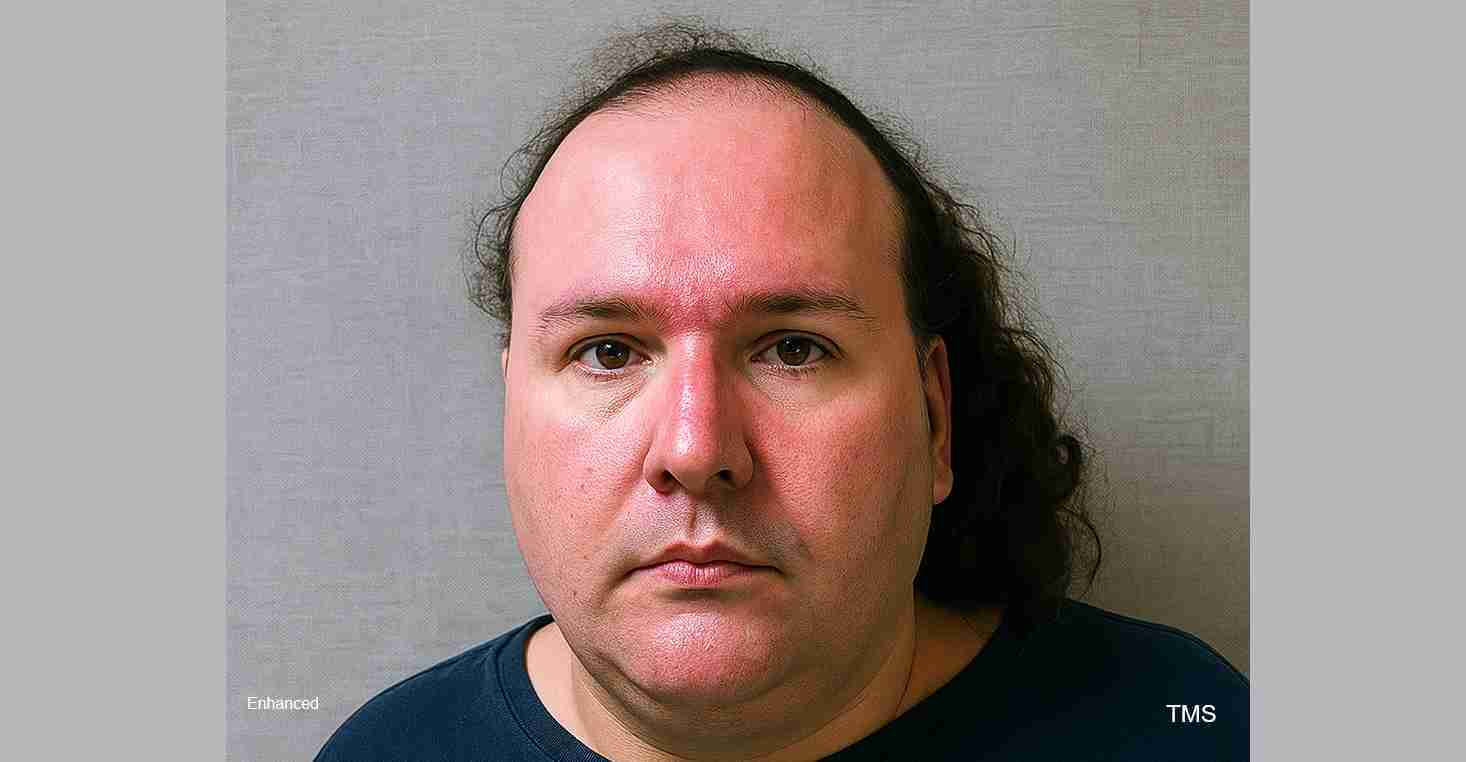
Stacie-Marie Laughton child exploitation: Ex‑NH transgender lawmaker pleads guilty to federal child sex charges over images of children under 5
Stacie-Marie Laughton, once New Hampshire’s first openly transgender lawmaker, pleaded guilty in federal court this week to child sexual exploitation charges for soliciting and receiving explicit images of children under five taken at a Massachusetts daycare.
Key takeaways
- Defendant: Stacie‑Marie Laughton, former New Hampshire state representative and the state’s first openly transgender elected official (profile).
- Charges: Federal counts under 18 U.S.C. § 2251 and 18 U.S.C. § 2 for requesting, directing and receiving sexually explicit images of minors (see the court affidavit).
- Co‑defendant and timeline: Lindsay Groves, a former Massachusetts daycare employee and Laughton’s intimate partner, took and sent images June 13–16, 2023; Groves pleaded guilty Oct. 2025; Laughton pleaded guilty Nov. 2025 and faces sentencing Feb. 2026.
- Victims: Multiple children under five were photographed nude while in daycare care; officials protect identities and age ranges in filings.
Details of the case
Federal prosecutors charge that Stacie‑Marie Laughton solicited, directed and received sexually explicit images of young children. The DOJ affidavit alleges specific requests for images and describes electronic communications that investigators say establish a pattern of solicitation and direction.
Scheme and evidence from court filings
According to the affidavit, Lindsay Groves—identified as a daycare employee and Laughton’s former intimate partner—took nude photographs of children in her care at the Creative Minds daycare and transmitted them to Laughton between June 13 and June 16, 2023. The filings describe thousands of text messages in which Laughton allegedly requested specific images, expressed sexual excitement on receipt, and in some instances advised Groves on positioning and content.
Prosecutors say the volume and content of the messages show more than a single incident: they depict a coordinated scheme involving direction from Laughton and action by Groves at the daycare facility.
Communications and evidence
Investigators recovered extensive electronic communications and attached probable‑cause statements to the complaint. Prosecutors argue those communications support charges under the federal sexual‑exploitation statutes and show a recurring pattern rather than an isolated event. Video summaries and reporting have traced the timeline and evidence in court coverage (video reporting).
Legal proceedings and timing
Groves pleaded guilty in October 2025 to charges related to creating and distributing the images. Laughton entered a guilty plea in November 2025; sentencing is scheduled for February 2026. Federal statutes addressing child exploitation carry severe penalties, including potential mandatory minimums depending on violations of 18 U.S.C. § 2251 and related statutes.
Victim protections and privacy
Officials have identified victims only by age range to preserve anonymity; all were under five and in Groves’ care when photographed. Courts and advocates emphasize trauma‑informed care, sealed filings and redactions to protect minors and support families.
Public reaction and media scrutiny
The arrest and guilty plea spurred intense local and national coverage. Advocacy groups for child safety have called for stronger safeguards in hiring and background checks, while legal experts warn against using the case to stigmatize protected groups—stressing this is alleged individual criminal conduct, not a reflection of broader identities. Local commentary has been robust (local coverage and commentary).
Questions about daycare hiring and oversight
The case prompted scrutiny of hiring practices, background checks and supervision policies at Creative Minds daycare. Parents and advocates have urged licensing reviews, audits and stronger vetting processes. Federal and state investigators will assess whether supervision lapses contributed to the opportunity for abuse.
Legal significance and precedent
This prosecution highlights federal emphasis on child exploitation enforcement. The involvement of a former public official who was a trailblazer in state politics adds a political dimension, but the legal focus remains on alleged criminal acts and potential policy changes for background checks and interagency information sharing.
Implications for California
Although the events occurred in New England, the case carries practical and policy implications for California:
- Economic and childcare impact: Expect renewed scrutiny, greater parental demand for transparency and potential increases in inspection or compliance costs for small centers.
- Policy and regulatory consequences: Legislators may pursue tighter licensing, more regular re‑screening and better information sharing between states and counties.
- Political and community effects: Officials may be pressured to strengthen child protections while avoiding politicization of identities.
- Social and cultural response: Parent groups and civic organizations may mobilize for stricter safeguards and funding for trauma services.
- Practical steps for parents and providers: Ask centers about background checks, supervision policies, lawful camera usage and incident reporting; providers should audit hiring files and train staff on mandatory reporting.
Sources and further reading
- DOJ complaint affidavit: U.S. v. Stacie‑Marie Laughton
- Profile and background: Stacie‑Marie Laughton
- Video reporting and timeline summaries
- Local coverage and commentary
Note: Prosecutors and victim advocates emphasize privacy and trauma‑informed support for the children and families involved; identifying details have been withheld in filings to protect minors.