Santa Cruz County brings back indoor mask rules for vulnerable patients ahead of respiratory virus season
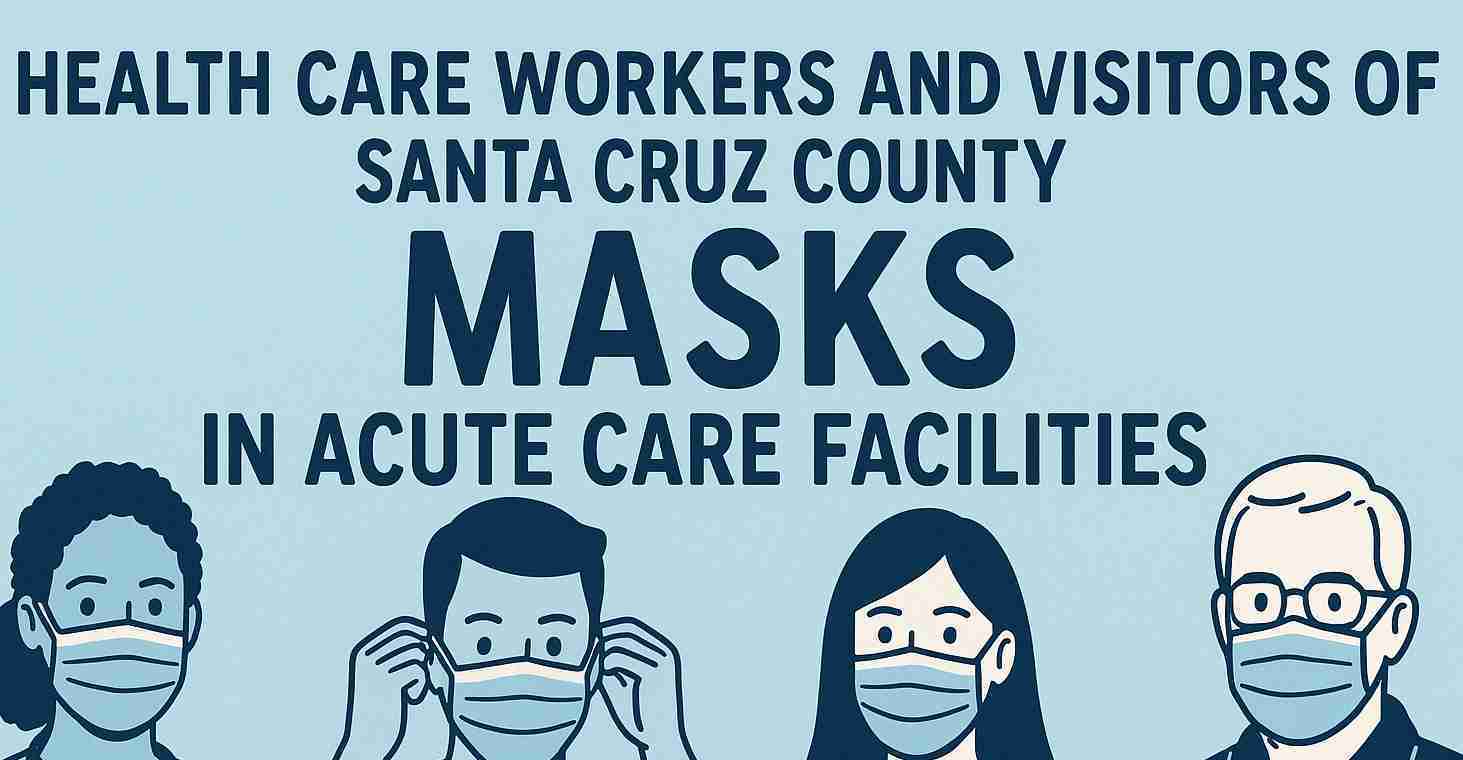
Santa Cruz County will reinstate indoor mask rules in select healthcare facilities from November 1 through March 31 to protect infants, older adults and immunocompromised patients during the respiratory virus season; all staff and visitors must wear masks indoors.
Key takeaways
- Effective Nov. 1, 2025–March 31, 2026: time-limited masking in specified healthcare settings.
- Who must mask: all non-patients — staff, contractors, volunteers and visitors — indoors at covered facilities, regardless of vaccination status.
- Facilities covered: acute care hospitals, skilled nursing and long-term care, surgical and maternity centers, and infusion clinics (dialysis, chemotherapy).
- Core tools: masking plus vaccination and staying home when sick are emphasized to protect vulnerable patients.
What the order requires
The county’s time-limited order mandates that all non-patients — including employees, contractors, volunteers and visitors — wear face coverings indoors in specified healthcare settings from November 1, 2025 through March 31, 2026. Patients are exempt when masking would interfere with care, and facilities must provide masks and signage at entrances.
The county’s guidance is detailed in the Santa Cruz County press release.
Facilities and people affected
The rule focuses on locations that routinely serve higher-risk patients:
- Acute care hospitals.
- Skilled nursing facilities and long-term care homes.
- Surgical and maternity centers.
- Infusion centers (including dialysis and chemotherapy clinics).
Facilities are asked to post signs, offer masks at entry points and have staff explain masking policies to visitors. Local reporting provides additional operational details from facilities preparing for the rule (Lookout).
Why the county is acting
Public health leaders in Santa Cruz cite predictable seasonal increases in influenza, COVID‑19 and RSV that can cause severe illness in infants, older adults, pregnant people and immunocompromised patients.
“This order aims to reduce the spread of these viruses and protect those most at risk from severe outcomes, including hospitalization and death,” said Public Health Officer Dr. Lisa Hernandez.
Officials stress that masking is one tool alongside vaccination and asking symptomatic people to stay home. For broader context and reporting, see SFGate and Local News Matters.
How the new rules compare to past seasons
Santa Cruz County has applied similar, seasonal, time-limited masking requirements in prior years. The approach is deliberately targeted — not a broad public mask mandate — and is re-enacted each fall in response to seasonal case patterns and risks in high-acuity care settings.
Public health rationale and evidence
Health officials note that masks decrease transmission of respiratory droplets and can lower infection risk in settings with concentrated, vulnerable populations. Vaccination remains the primary recommended protection; masking is promoted as a supplemental measure to reduce hospital-acquired infections and severe outcomes.
Questions about enforcement and operational impact
The order instructs facilities to post signage and supply masks, but enforcement details may vary by site. Questions include how facilities will handle visitors who refuse masks and whether extra staff or security will be needed to monitor entrances. Administrators balancing infection control with staffing and visitor access will shape local enforcement practices (Lookout).
Voices from patients, families and policy context
Reactions vary: some family members welcome masking as a small step to protect loved ones, while others see it as an added burden during stressful visits. The county frames the policy as narrowly tailored and temporary, invoking local public health authority to protect vulnerable populations during periods of heightened disease activity.
Implications for California
Direct statewide economic effects should be limited because the order targets healthcare settings. Hospitals and clinics may incur modest costs for signage and mask supplies but may also avoid higher costs tied to outbreaks and staff shortages. Politically, the seasonal and limited scope is likely to reduce the potential for broad controversy while still drawing some pushback from opponents of mandates.
Practical guidance for residents
Starting November 1, visitors to hospitals, skilled nursing facilities, surgical centers or infusion clinics in Santa Cruz County should expect to wear a mask indoors. Facilities will provide masks; residents are encouraged to get up-to-date flu and COVID‑19 vaccines and to avoid visiting when ill.