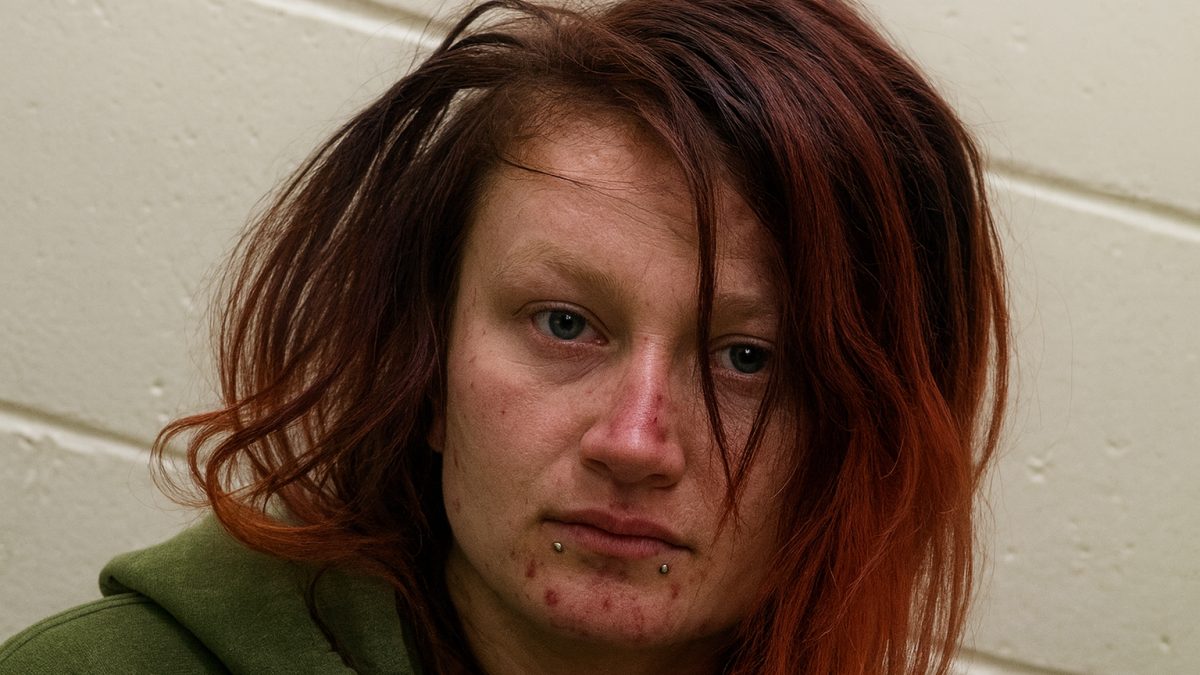
Rosie O’Donnell Asks for Prayers as Daughter Chelsea Faces Prison After Probation Revoked
Rosie O’Donnell asked the public for prayers after her daughter Chelsea O’Donnell had probation revoked and was ordered to serve additional prison time following felony meth possession and other drug-related convictions, the case drawing intense media and family scrutiny.
- Chelsea O’Donnell, 28, was adopted by Rosie as a baby and has battled addiction for years. Source
- She pleaded guilty in 2024 to three felony counts, including methamphetamine possession, and was placed on probation. Source
- Jailed in September 2025 for alleged probation violations, a judge on Oct. 22, 2025 found a violation and ordered additional prison time. Source
- Rosie publicly posted photos and pleas, writing, “I loved her then, I love her now.” Source
The legal case and probation revocation
Court records show Chelsea O’Donnell pleaded guilty in 2024 to three felony counts tied to drug activity, including possession of methamphetamine. That guilty plea initially resulted in probation rather than immediate long-term incarceration.
Prosecutors and law enforcement later alleged Chelsea violated the terms of her probation. She was taken into custody in September 2025 and remained jailed while the court considered the alleged violations. On Oct. 22, 2025, a judge found she had violated probation and ordered her to serve additional time behind bars. The public statement did not specify the exact new sentence length; the ruling moved her from supervised probation back into the prison system. Source
Rosie O’Donnell’s public statement and family context
Rosie O’Donnell issued an emotional public appeal on social media and in interviews asking for prayers for Chelsea, describing the situation as grave and comparing Chelsea’s condition to being “in the rapids.” She shared a childhood photo and wrote,
“I loved her then, I love her now.”
Rosie has previously spoken about Chelsea’s long-standing struggles with addiction and periods of estrangement. The reporting notes Chelsea left home after turning 18 in 2015 to reconnect with her birth mother in Wisconsin, reconnected with Rosie in 2018 after the birth of her first child, and has since cycled through recovery and relapse. Source
Personal stakes: children, grandparents and family support
Chelsea is the mother of four children. The court proceedings and incarceration carry immediate consequences for them and for extended family members, including grandparents. Rosie has emphasized her role and commitment as a grandmother and the family’s ongoing support, saying she hopes Chelsea “realizes… when she does fall that we will catch her regardless.” Source
Reporting indicates the family sought treatment options and safe environments when possible, but the judge’s revocation suggests the court prioritized legal accountability in response to probation violations tied to drug-related conduct. Source
Timeline of key events
- 2015: Chelsea turned 18 and moved to Wisconsin to reconnect with her birth mother. Source
- 2018: Chelsea and Rosie reconnected after Chelsea gave birth to her first child. Source
- 2024: Chelsea pleaded guilty to three felony counts, including meth possession. Source
- September 2025: Chelsea was jailed after alleged probation violations. Source
- Oct. 22, 2025: A judge ruled she violated probation and ordered additional prison time. Source
Why probation revocations matter
Probation is often used as an alternative to immediate prison for individuals who agree to supervision, treatment and court-ordered conditions. When those terms are found to be violated, a judge can revoke probation and impose a suspended or additional sentence. In Chelsea’s case, prosecutors tied the violations to her drug-related conviction and conduct that breached probation conditions; the judge’s revocation moved the response from supervised community supervision back into incarceration. Source
The public and media interest
Chelsea’s case drew attention because of Rosie O’Donnell’s celebrity and public advocacy. Rosie’s openness—sharing personal photos and appeals—has focused public discussion on the intersection of addiction, criminal justice and family life. Advocates on both sides debate how to balance accountability with rehabilitation; this case highlights those tensions in a high-profile context. Source
Implications for California
Criminal justice and probation policy: High-profile probation revocations like this may prompt calls for stricter enforcement of probation terms and clearer consequences for violations, especially involving felonies such as meth possession. Source
Addiction treatment and local services: The case underscores gaps between demand for treatment and available capacity, highlighting the need for accessible, long-term substance-use disorder programs that work alongside probation supervision. Source
Child welfare and family impact: With Chelsea parenting four children, agencies and community groups may face increased pressure to support affected children and families, including foster care stability and services for children dealing with parental substance misuse. Source
Public sentiment and political conversation: For many Californians, the story may underscore both a desire for accountability and the importance of family and community supports; Rosie’s public appeals could galvanize local involvement and debate. Source
Practical effects on local systems: Probation revocations increase pressure on county jails and prison systems and can influence budget discussions around bed space, program funding and supervision resources. Source
Reporting note
This article is based on public statements and reporting about Rosie O’Donnell’s comments and the legal proceedings involving her daughter, Chelsea O’Donnell. Source material includes video reporting and interviews released publicly. Source