Arrests Follow Violent Clashes as Portland ICE Protests Escalate; Questions Raised Over Where Detainees Were Held
Protests outside Portland’s ICE facility on Oct. 11, 2025 escalated into clashes between demonstrators and federal officers, producing multiple arrests and raising questions after detainees were held in Clark County, Washington instead of Multnomah County.
- When: Saturday, October 11, 2025.
- Where: ICE facility on South Macadam Avenue, South Portland.
- What: Demonstrations and confrontations with federal officers; video shows detentions in the facility driveway (See video).
- Arrests & processing: Visual footage appears to show three people detained by DHS officers; reporting and official counts differ (Reporting; video).
Key takeaways
- Video evidence shows federal officers detaining people in the ICE facility driveway; at least one performer, Oriana Korol, is seen tackled and detained (Video).
- Conflicting counts: Visual footage and local reporting show three detentions, while some official briefings referenced a smaller number (Reporting).
- Detention location raised concerns: Detainees were held in Clark County, Washington, prompting questions about reimbursement and intergovernmental contracts (Reporting).
Key information
Date: Saturday, October 11, 2025.
Location: ICE facility on South Macadam Avenue, South Portland.
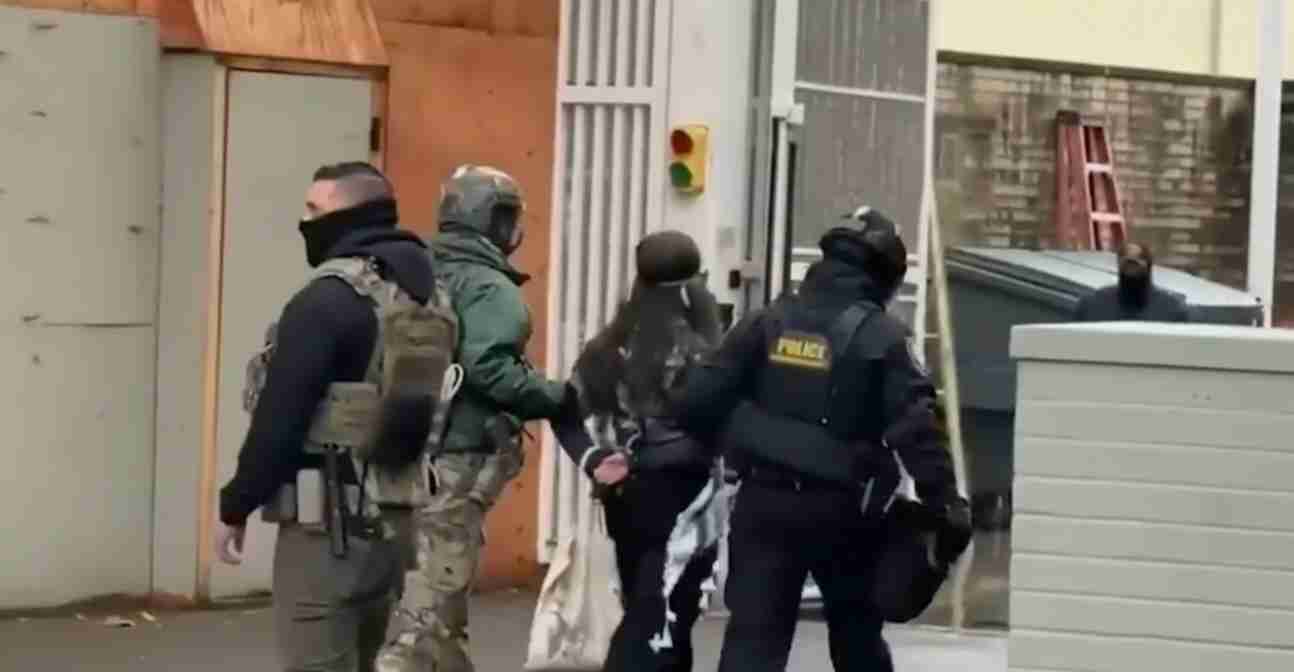
Actions: Demonstrations by opponents of ICE enforcement and counter-demonstrators grew through the afternoon and led to confrontations with federal officers. Video shows federal officers detaining people in the facility driveway. (See video.)
Arrests: Video footage appears to show three people detained by Department of Homeland Security officers. The Portland Police Bureau publicly confirmed arrests connected to the protests but gave a lower number when officials discussed the incident. Local reporting and video do not fully align on the exact number of arrestees and where they were processed. (Reporting; video.)
Notable arrest: One person shown being tackled by federal officers is Oriana Korol, a clarinetist who had been performing with the Unpresidented Brass Band at the protest. (Video.)
Detention location: Individuals arrested during the clashes were later held in Clark County, Washington, rather than in Multnomah County, Oregon. That choice raised questions among Clark County officials about reimbursement and contracts for holding federal detainees. (Reporting.)
What the video shows and how witnesses described the clash
Video recorded at the scene captures federal officers — identified in footage as Department of Homeland Security personnel — moving aggressively into the ICE facility driveway as tensions rose. At one point officers pursue protesters across the pavement; in the footage a clarinetist, later identified as Oriana Korol, is knocked down and detained during the rush. The clips circulated widely online and were used by local reporters to document the events. (Source video.)
“The crowd swelled over hours, mixing music and direct action, then the situation escalated into physical confrontation before arrests were made,” witnesses and reporters described.
Witnesses described a crowd that swelled over hours. Demonstrations included both creative protest tactics — like the Unpresidented Brass Band’s performance — and direct attempts to block access to the facility. Officials from multiple agencies were on site, and the situation escalated into physical confrontation before arrests were made. (Reporting.)
Arrest counts and conflicting accounts
There is a discrepancy between the number of people captured on video being detained and the number later confirmed in public statements. Visual evidence from the scene shows three detentions by federal officers. Local reporting said three individuals were detained during the confrontation. (Video; reporting.)
At the same time, the Portland Police Bureau confirmed arrests connected to the protest activity but did not provide full details on names or charges and described a smaller number in some briefings. The bureau’s public statements acknowledged participation in handling protest activity along with federal partners. The identities and specific charges for the arrestees — aside from Korol — were not released in the immediate aftermath. (Reporting.)
Why detainees were moved across state lines
Those detained were taken to the Clark County jail in Washington rather than to Multnomah County’s detention center in Portland. Clark County officials said they were surprised because the county does not have a routine contract with the U.S. Marshals Service to hold federal detainees and typically is not reimbursed for holding them. Local reporting noted no public sign that Multnomah County lacked space at the time, raising questions about the choice to transport detainees across state lines. Federal law gives federal officers nationwide authority to detain suspects in federal matters, which can explain transfers beyond local boundaries, but the practical and fiscal implications drew scrutiny from county leaders. (Reporting.)
Official responses and agency roles
Portland Police Bureau officials confirmed they were involved in managing protest-related activity and that arrests occurred in connection with the demonstrations. Federal officials — including DHS personnel seen in video — played a direct enforcement role at the scene. At the time of reporting, detailed statements from the U.S. Department of Homeland Security about the specific use of force or the nature of charges were not publicly available. Local journalists and community groups called for more transparency on why detainees were moved out of state and on the identities and charges of those arrested. (Reporting; video.)
Political and legal backdrop
The clashes occurred as part of months-long demonstrations at the Portland ICE facility in response to federal immigration enforcement policies. The protests took on added significance because the Trump administration is appealing a court order that has blocked deployment of National Guard troops to Portland. That legal fight has heightened tensions between federal authorities and local leaders, who have pushed back against significant federal intervention in the city’s protests. The situation is part of a broader confrontation over how far federal agencies can go when acting inside cities that object to such deployments. (Reporting; video.)
The protests have mixed tactics — from music and performance to direct action — and they have tested the limits of cooperation among local, state and federal agencies. State-level laws, such as Washington’s Keep Washington Working Act, create additional layers of complexity by restricting some forms of state cooperation with federal immigration enforcement, complicating how different governments respond to demonstrations that target federal facilities. (Reporting.)
Why this matters to residents and officials
The clashes at the ICE facility raise concrete questions for law enforcement, county governments and taxpayers. Moving detainees across state lines can create logistical and financial burdens for local jails that were not expecting to house federal detainees. Video evidence of federal officers tackling peaceful performers and protesters increases calls for transparency and independent review. For officials, balancing public safety, the right to protest and respect for federal jurisdiction is a daily challenge in Portland and other cities where federal facilities draw sustained demonstrations. (Reporting; video.)
Implications for California
Economic impact: Transportation of detainees to out-of-state jails and the cost of handling federal protests can ripple regionally. California counties that host federal facilities or cross-border detainees may face similar reimbursement and staffing issues if federal agents transfer arrestees long distances. Local taxpayers often bear unexpected costs when county jails hold federal detainees without clear contracts. (See reporting.)
Political consequences: For moderate conservative voters in California, the Portland incidents underline concerns about public safety and clear lines of authority. The clash highlights disagreements over whether federal forces should take a front-line role in city protests. These tensions could shape how California’s leaders negotiate with federal partners over immigration enforcement, public order and troop deployments. Court fights over National Guard deployment elsewhere may influence state and local officials here as they prepare for similar standoffs. (Reporting.)
Social effects: Creative protest methods — like bands and street performances — can draw large crowds and produce viral images that shape public opinion. Californians who prioritize law and order may worry about escalation when demonstrations turn physical. At the same time, legal limits on state cooperation with federal immigration efforts will resonate in California debates about sanctuary policies and local cooperation with federal immigration agencies. (Reporting.)
Cultural relevance: The footage of a musician being tackled during a protest puts a human face on broader policy battles. For communities across California, that kind of imagery can influence public views on protest tactics and federal enforcement. It can also energize both sides — those demanding stronger enforcement and those calling for limits on federal actions in cities that resist such tactics. (Video.)
Practical applications: County leaders and law enforcement agencies in California should review agreements with federal partners to clarify where detainees will be processed and who pays for costs. Local governments can prepare protocols for multi-jurisdictional events, including prearranged contracts for temporary housing of federal detainees and agreements on crowd management to minimize confusion and fiscal surprises. For policymakers, the Portland events offer a case study in how federal and local roles can clash during high-profile protests. (Reporting.)
Sources
- Oregon Public Broadcasting, “Clark County surprised after federal detainees from Portland protests were held in Washington,” Oct. 24, 2025.
- YouTube footage from October 11, 2025 — video of arrests and scene.
Parent publication: Times Media Service