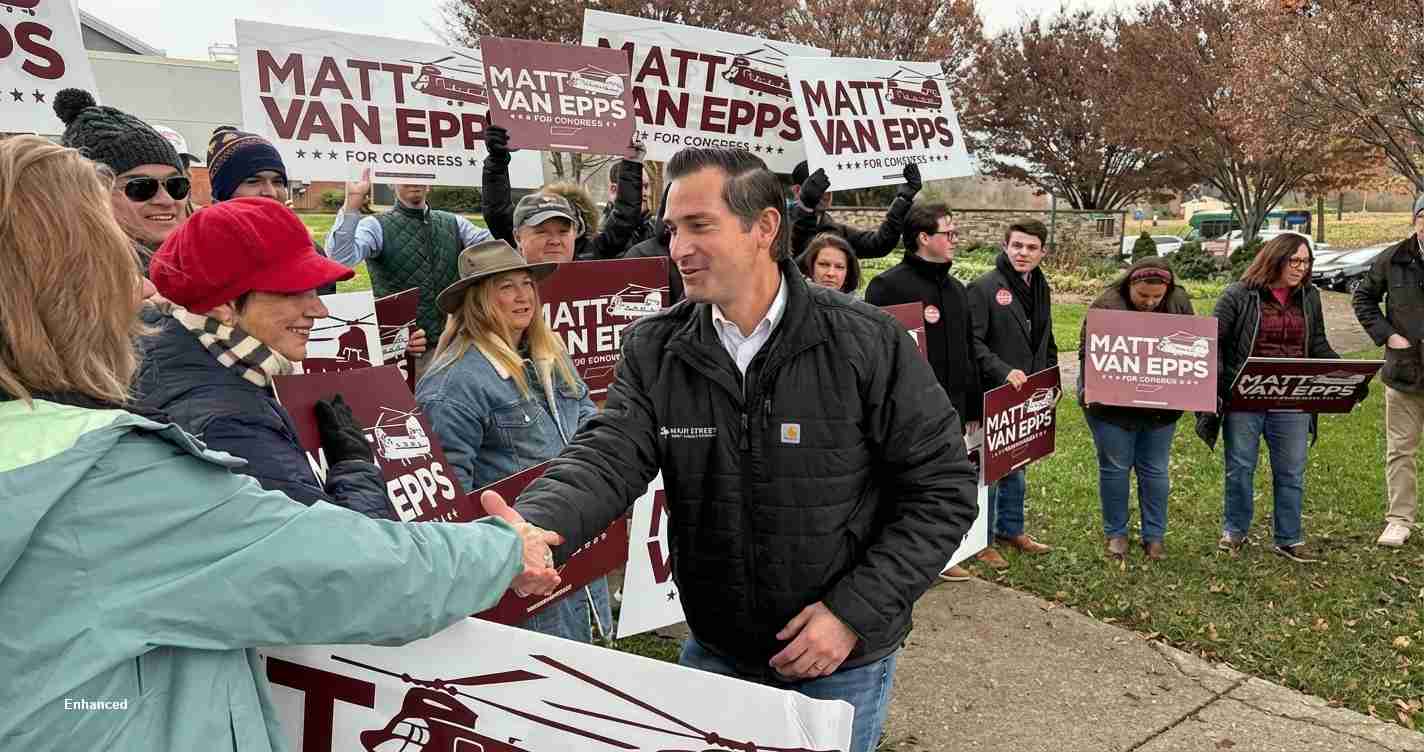
Trump-backed GOP keeps Tennessee seat as Matt Van Epps defeats Aftyn Behn in special election seen as barometer for 2026
Republican Matt Van Epps won the December 2, 2025 special election for Tennessee’s 7th congressional district, defeating Democrat Aftyn Behn to serve the remainder of the 119th Congress; analysts called the race an early gauge for 2026.
Key takeaways
- Winner: Matt Van Epps (R) — 96,988 votes (53.9%).
- Runner-up: Aftyn Behn (D) — 81,044 votes (45.0%).
- Margin: ~8.9 percentage points; Van Epps won 12 of 14 counties in the district (source: source).
- Term: Van Epps will serve through the remainder of the 119th Congress, ending January 3, 2027 (source: source).
Background and why the race mattered
The special election filled the vacancy left when Republican Mark Green resigned in July 2025 to move to the private sector. The contest was an unexpected test of voter sentiment in a district that mixes fast-growing suburban centers with conservative rural counties. National observers treated the race as an early gauge of the political environment heading into the 2026 midterms, testing Republican strength in red-leaning districts and Democratic ability to narrow margins in suburban communities (source: source).
Who the candidates were
Matt Van Epps — a former Tennessee Department of General Services commissioner (2024–2025) who won the Republican primary on October 7, 2025 with roughly 51.6% of the vote. He ran as a conservative aligned with national GOP themes and received backing tied to former President Donald Trump’s wing of the party (source: source).
Aftyn Behn — a state representative for Tennessee’s 51st district since 2023, she won a competitive Democratic primary and positioned herself as the progressive alternative in parts of the district that include Williamson County and Nashville suburbs. Behn ran a well-funded campaign emphasizing local issues and health care access (source: source).
Money, messaging and turnout
Fundraising showed both sides were willing to spend for the seat. Van Epps reported $992,716 in campaign funds, while Behn reported $1,230,629, meaning Behn outraised Van Epps overall and highlighting Democratic interest in flipping or narrowing margins in suburban seats (source: source).
Pre-election polling showed a narrow Van Epps lead: an Emerson College poll (Nov. 22–24, 2025) had Van Epps ahead 48% to 46% among likely voters. Early in-person voting ran Nov. 12–26, with concentrated Democratic turnout in larger cities and Republican strength across rural counties (source: source).
County map and final returns
Van Epps won 12 of the district’s 14 counties, securing rural and exurban areas while Behn performed best in larger urban centers and parts of Williamson and Davidson counties. Final certified totals: Van Epps 96,988 (53.9%), Behn 81,044 (45.0%), a roughly 8.9-point margin (source: source).
What the result says about national politics
Analysts saw the outcome as both reassurance and warning. For Republicans, the win confirmed that Trump-aligned candidates can still carry suburban-influenced districts when they hold together exurban and rural support. For Democrats, Behn’s stronger-than-expected showing and overperformance relative to 2024 margins suggest there is room for competitive runs where the party fields well-funded, locally rooted candidates (source: source).
“The race is a data point on turnout patterns and messaging — special elections reward organization and local resonance,” said analysts following the result.
Policy markers and the departing incumbent
Mark Green resigned after supporting major Republican priorities. Van Epps has signaled alignment with similar agendas, suggesting short-term continuity in voting tendencies for the seat — a factor that can matter for narrow House majorities and negotiations on federal policy (source: source).
Investigative note: funding and outside influence
Outside spending and national attention shaped the contest. Both party committees and outside groups treated the race as a test case: Democrats invested in suburban outreach while Republicans emphasized turnout in exurban counties. The national donor interest shows both parties prioritizing resources early for 2026 (source: source).
Implications for the 2026 midterms and House control
The special election gives Republicans a short-term hold while offering Democrats lessons. If Democrats can replicate Behn’s suburban gains and turnout, they may mount competitive bids in similar districts. For Republicans, holding exurban and rural field operations remains crucial. The immediate numerical impact is limited — Van Epps serves through Jan. 3, 2027 — but both parties will cite the race in fundraising and strategy for 2026 (source: source).
Implications for California
Economic: Little direct day-to-day effect on California, but House votes and committee alignments affect federal funding for infrastructure, wildfire mitigation, and health programs.
Political: California moderate conservatives and operatives may study Van Epps’ county-level gains and messaging for suburban outreach and turnout techniques.
Social and cultural: National policy debates influenced by House control — immigration, energy, regulatory oversight — will resonate with California interest groups and officials.
Practical applications:
- Donors and party groups in California will use this data point when deciding early 2026 support.
- State and local Republican operatives may study Van Epps’ field operations to mobilize rural-adjacent and exurban voters.
- California Democratic strategists will examine Behn’s performance as a model for narrow, well-funded challenges in competitive districts (source: source).
Sources and further reading
Reporting and editorial note
This account draws on compiled election data and campaign disclosures summarized by publicly available sources. The vote totals, fundraising figures and county results cited above are reported in the public record and summarized at the linked 2025 Tennessee’s 7th congressional district special election — Wikipedia.