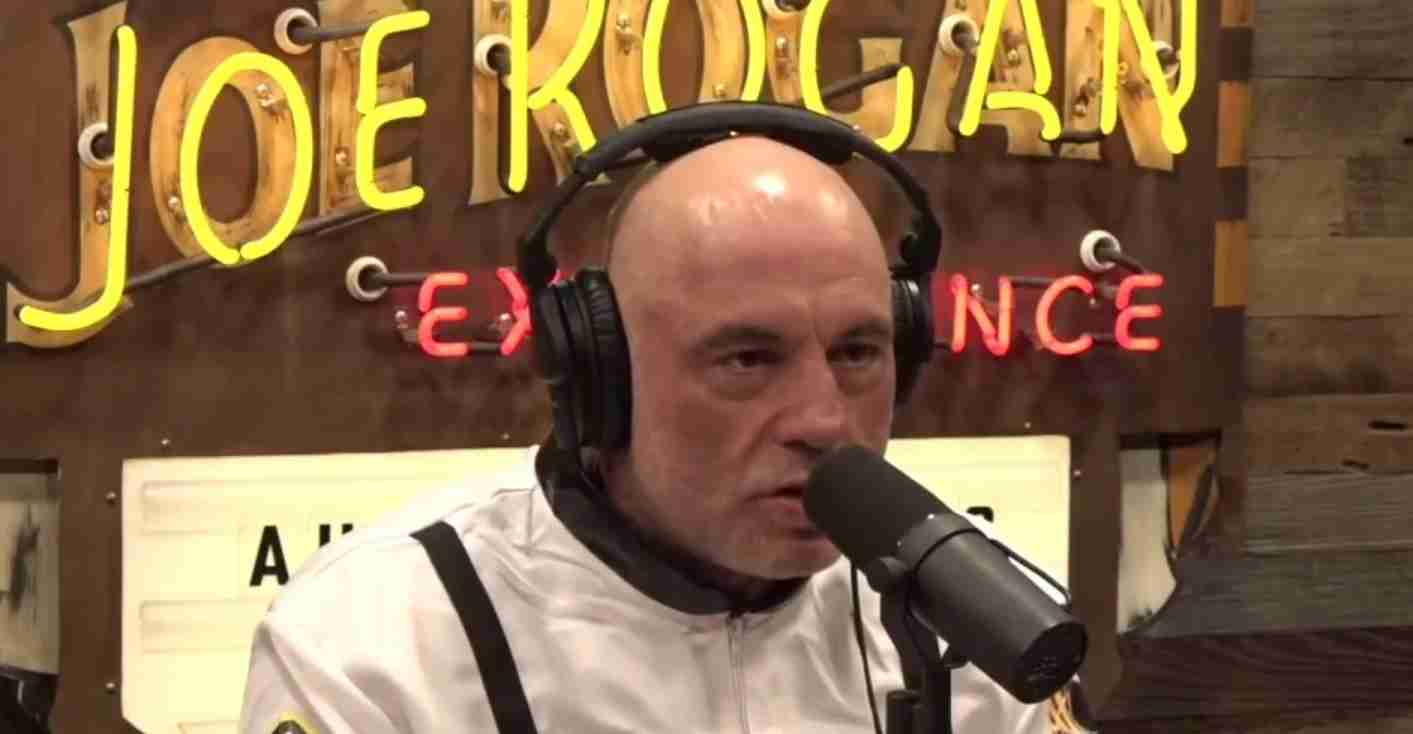
Joe Rogan warns Charlie Kirk assassination reaction shows U.S. is “way, way closer” to civil war
Podcast host Joe Rogan warned that public celebrations of conservative activist Charlie Kirk’s September 2025 assassination show America is “way, way closer” to civil war, citing online reactions that revealed a deeply fractured and dangerous national divide.
- Rogan said online celebrations of Charlie Kirk’s killing shifted his view of U.S. stability and raised his civil-war risk rating sharply.
- Social-media cheers from a cross-section of “regular people” alarmed Rogan and many analysts as a sign of eroding civic norms.
- Experts and polls note rising public anxiety about political violence and the potential for copycat incidents.
- Local impact in California could include higher security costs, political shifts, and community efforts to rebuild trust.
Rogan’s reaction on the podcast
In October and November podcast episodes, Joe Rogan described being stunned by widespread online celebrations after the Sept. 10, 2025, killing of Charlie Kirk. Rogan said he saw “housewives,” “moms” and people “working at banks” openly cheering the attack — a response he called “evil” and which he said opened his eyes to how fractured the country has become.
Coverage summarizing his comments appears in Fox News and AOL, which report Rogan’s explicit naming of ordinary people among those celebrating the killing.
On the “one-to-civil-war” scale
Rogan said he previously rated the United States around a four or five on his personal one-to-civil-war scale. After seeing the reaction to Kirk’s death, he described a meaningful increase in his concern, warning publicly that the U.S. may be sliding toward larger-scale conflict. The Daily Beast summarized this shift and Rogan’s broader argument that the crisis is rooted in a breakdown of shared civic norms rather than ideology alone.
What happened at Utah Valley University
Charlie Kirk, founder of Turning Point USA, was shot during a public Q&A at Utah Valley University on Sept. 10, 2025. Authorities arrested a suspect identified in reporting as Tyler Robinson about 33 hours later; prosecutors say the suspect admitted planning the attack and faces charges including aggravated murder, with plans to seek the death penalty because of the attack’s public, political nature. Reporting on the shooting and subsequent legal developments is summarized by the Times of India.
The attack prompted scrutiny of campus security, event protection for public figures, and a wave of social-media responses that mixed grief, condemnation and — in some quarters — celebration.
Online reaction and conspiracy theories
Coverage of the aftermath highlights a stark contrast: a vocal subset of users celebrated the killing while many others expressed shock and calls for justice. Analysts warn that public celebrations of political violence can increase the risk of copycat incidents and deepen grievances, making de-escalation harder. Rogan’s comments amplified concerns that ordinary people can slip into violent attitudes when they feel politically justified (Fox News; Daily Beast; Times of India).
Public mood and polling on political violence
Polls cited in coverage show many Americans now expect further political violence or even another political assassination in the near future. A report summarized by The Independent referenced a Politico/Public First poll indicating widespread fear of future political violence — a sign of deepening pessimism about political safety and governance.
Analysts note that polarization, echo chambers on social media and heated rhetoric raise the risk of violence; Rogan’s public warning joins other voices urging attention to the erosion of civic norms.
Implications for California
Economic impact: A credible rise in political-violence risk can increase costs for campuses, venues and local governments. California institutions already spend heavily on security for high-profile speakers; any sustained threat could mean higher policing and private-security expenditures, straining budgets.
Political consequences: The episode may harden partisan divides and push some voters toward stronger law-and-order priorities. State and local officials may face pressure to balance public safety with civil liberties.
Social effects: Open celebration of political violence can exacerbate workplace, campus and community tensions, increasing demand for mental-health resources and conflict-deescalation programs.
Cultural relevance: Debates over free expression versus speech that celebrates violence may intensify at California universities and cultural institutions.
Practical steps: Local leaders can review security protocols, employers can offer de-escalation training, and civic groups can convene cross-partisan forums to rebuild trust and set norms against celebrating violence.
What to watch
- How California campuses and venues adjust security protocols and whether costs shift to students or taxpayers.
- Legislative or local proposals addressing political violence, online harm or event safety.
- Shifts in public opinion among moderates and conservatives on security, social-media regulation and campus policies.
- Any rise in threats or copycat incidents tied to online celebrations, and law enforcement responses.