Jack Smith Defends Trump Investigations in Eight-Hour House Session, Insists Decisions Were Apolitical
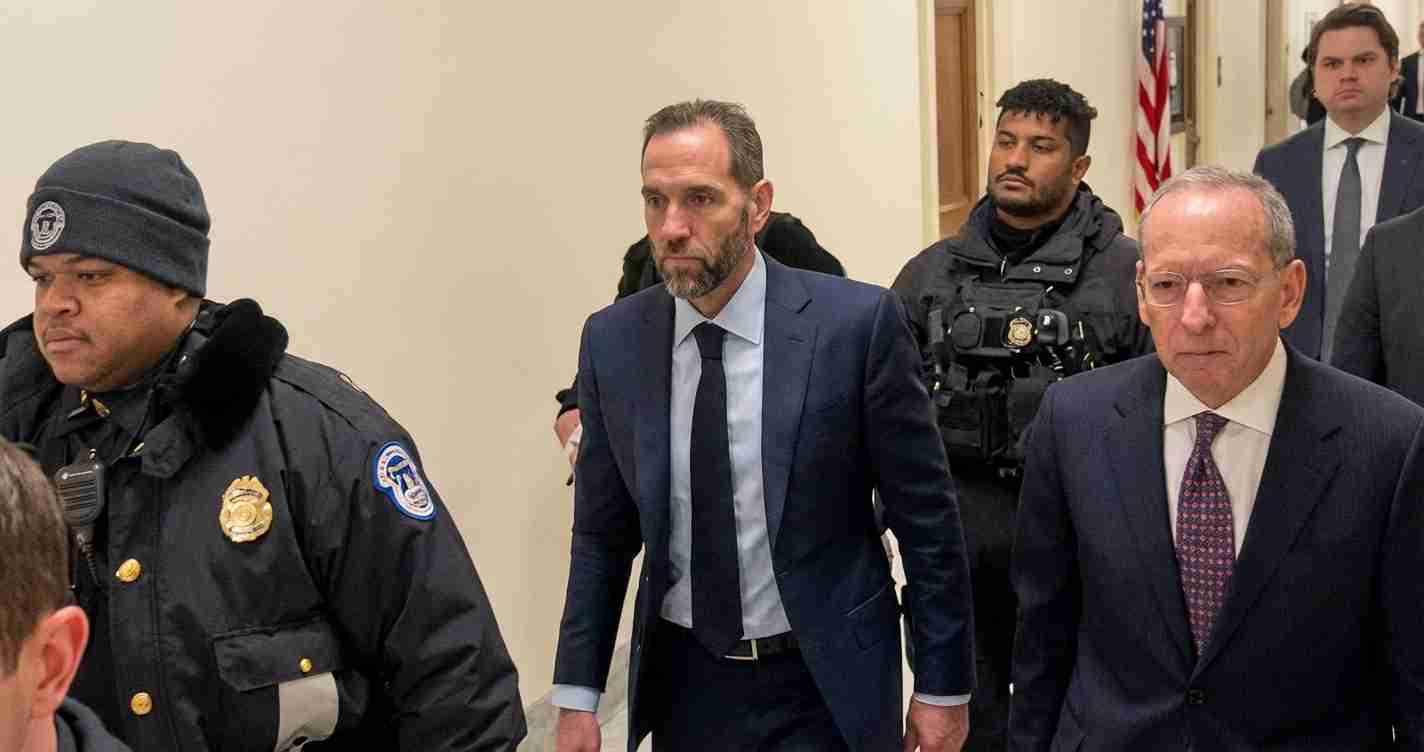
Special Counsel Jack Smith spent eight hours testifying behind closed doors to the House Judiciary Committee, vigorously defending his handling of probes into the 2020 election and Mar‑a‑Lago documents as decisions grounded in law, not politics.
- Eight‑hour closed session: Smith testified Dec. 17 about the Trump 2020 election interference and Mar‑a‑Lago documents probes (Sources: ReadTPA transcript report, MTPR transcript)
- Apolitical decisions: Smith said his charging choices were based on facts and law and would be the same regardless of party (ReadTPA)
- Evidence and witnesses: He cited testimony from Republican witnesses and concluded Trump was “by a large measure, the most culpable” in the Jan. 6‑related plot (MTPR)
- Integrity steps: Smith removed an FBI agent over a private email showing bias and warned witness intimidation is “probably the most corrosive thing that can happen to the rule of law” (ReadTPA)
Smith’s defense of his decisions
“I did not have a preconceived outcome in mind when I took this job,” Smith told committee members, stressing that every charging decision flowed from a careful assessment of facts and the law. He told lawmakers he made his choices without regard to President Trump’s political association, activities, beliefs, or 2024 candidacy. (MTPR transcript)
Smith also said plainly that, given the same facts today, he would prosecute a former president regardless of party: “If asked whether to prosecute a former President based on the same facts today, I would do so regardless of whether that President was a Republican or a Democrat.” (ReadTPA)
Building the Trump 2020 election interference case
Smith described the election probe as rooted in broad evidence and cooperation from witnesses across the political spectrum. He emphasized that some Republican witnesses put country above party and contributed to the investigative record. He characterized Trump as “by a large measure, the most culpable and most responsible person in this conspiracy” and connected the charges directly to the Jan. 6 attack. (MTPR)
On foreseeability and causation, Smith said the Jan. 6 violence was foreseeable and that Trump “caused it and … exploited it,” pointing to public statements and a tweet that, according to the record, endangered then–Vice President Mike Pence. (ReadTPA)
Regarding investigative methods, Smith confirmed his team obtained Senate phone record timestamps — not call content — to map communications among lawmakers and Trump aides around Jan. 6, attributing outreach efforts to directions coming from Trump. (MTPR)
Mar‑a‑Lago documents case and national‑security concerns
Smith defended the classified‑documents probe as driven by national‑security obligations and the law, not by politics. He stressed the seriousness of alleged improper handling of classified material found at Trump’s Mar‑a‑Lago residence in Palm Beach. (MS.NOW transcript release)
He also recounted removing an FBI agent from the inquiry after discovering a private email that revealed bias about Jan. 6 — a step Smith said was necessary to protect the integrity of the probe. (ReadTPA)
Independence, process and the rule of law
Throughout his testimony Smith emphasized the independence of his team of career prosecutors and investigators. He said he had never charged anyone he did not believe guilty and expressed confidence that, in his view, the election case contained enough evidence that a conviction would likely have been reached. (ReadTPA, MTPR)
On witness intimidation: Smith warned it is “probably the most corrosive thing that can happen to the rule of law,” drawing from experience with intimidation in murder cases and overseas investigations.
Pushback, political context and Smith’s resignation
Smith said he had asked to testify publicly to defend his team of “career public servants” who he said were being vilified by President Trump and allies, but the committee instead held the session privately. Republicans later released a transcript and video of the closed session, making more of the testimony publicly available. (ReadTPA, MS.NOW)
Smith rejected claims his work aimed to hamper Trump’s 2024 campaign: “I entirely disagree with any characterization that our work was in any way meant to hamper him in the presidential election.” He also acknowledged the possibility of political retaliation, saying he would not be surprised if former President Trump sought to direct DOJ action against him and citing social‑media attacks calling him a “deranged lunatic,” “psycho,” and “criminal.” (MTPR, ReadTPA)
Smith resigned in early 2026, shortly before Trump returned to office — a development that has intensified debates over prosecutorial independence and political pressures on high‑profile federal cases. (MS.NOW)
Implications for California
Economic impact
California’s large tech firms, defense contractors, research universities and federal contractors that handle classified data may face heightened scrutiny and compliance costs. The Mar‑a‑Lago documents case highlights legal and security risks from mishandling classified material and could prompt tighter contracting rules, audits, and new procedures. (MS.NOW, MTPR)
Political consequences
Smith’s insistence on apolitical decision‑making will matter to California voters who emphasize the rule of law. Continued questions about politicization could deepen divides within the state GOP between Trump‑aligned factions and those stressing accountability. California congressional members on oversight committees may face increased pressure to clarify their positions on prosecutorial independence. (ReadTPA, MTPR)
Social effects and cultural relevance
Public trust in neutral law enforcement and the courts is central to California civic life. Smith’s action to remove an agent over bias and his warnings about witness intimidation will resonate with community leaders, veterans, and civic groups that prioritize fair treatment and robust legal safeguards. The testimony also underscores concerns about partisan rhetoric endangering career public servants. (ReadTPA)
Practical applications for residents
Californians should expect ongoing legal and political fallout: court rulings, appeals, and potential new investigations may affect national campaign timing and how candidates engage voters. State and local agencies may review security and records policies; contractors and employees handling classified information should monitor policy updates. (MS.NOW, MTPR)