Jeffries Spars With CBS Over ‘Rigged’ Midterms, Defends Democrats Against “Election Denier” Label — Spark Fuels Election Integrity Debate
House Minority Leader Hakeem Jeffries defended Democrats against the “election denier” label while warning Republican-led gerrymandering and voting-law changes could tilt midterm outcomes — sparking media scrutiny and renewed debate over election integrity nationwide and policy.
Key takeaways
- Jeffries warned that Republican redistricting and voting-law changes could be used to tilt midterm results — see his Jeffries statement.
- He framed concerns as systemic or legal manipulation (e.g., gerrymandering), not allegations of widespread voter fraud — watch the Video.
- Media and critics pushed back, saying the rhetoric might undermine confidence; see the CBS coverage and GOP responses.
- Observers distinguish legitimate process concerns from post-2020 “election denial” — background: Background on the movement.
What Jeffries said and how he framed it
Jeffries has been outspoken about what he calls an organized GOP effort to change maps and voting rules in ways that favor Republican candidates. In a statement earlier this month he warned Democrats would “respond from coast to coast and at all points in between” to what he described as an effort to “steal the midterm elections” by manipulating rules and maps — read the Jeffries press release.
“Democrats are going to respond from coast to coast and at all points in between to this effort to steal the midterm elections.” — Jeffries statement
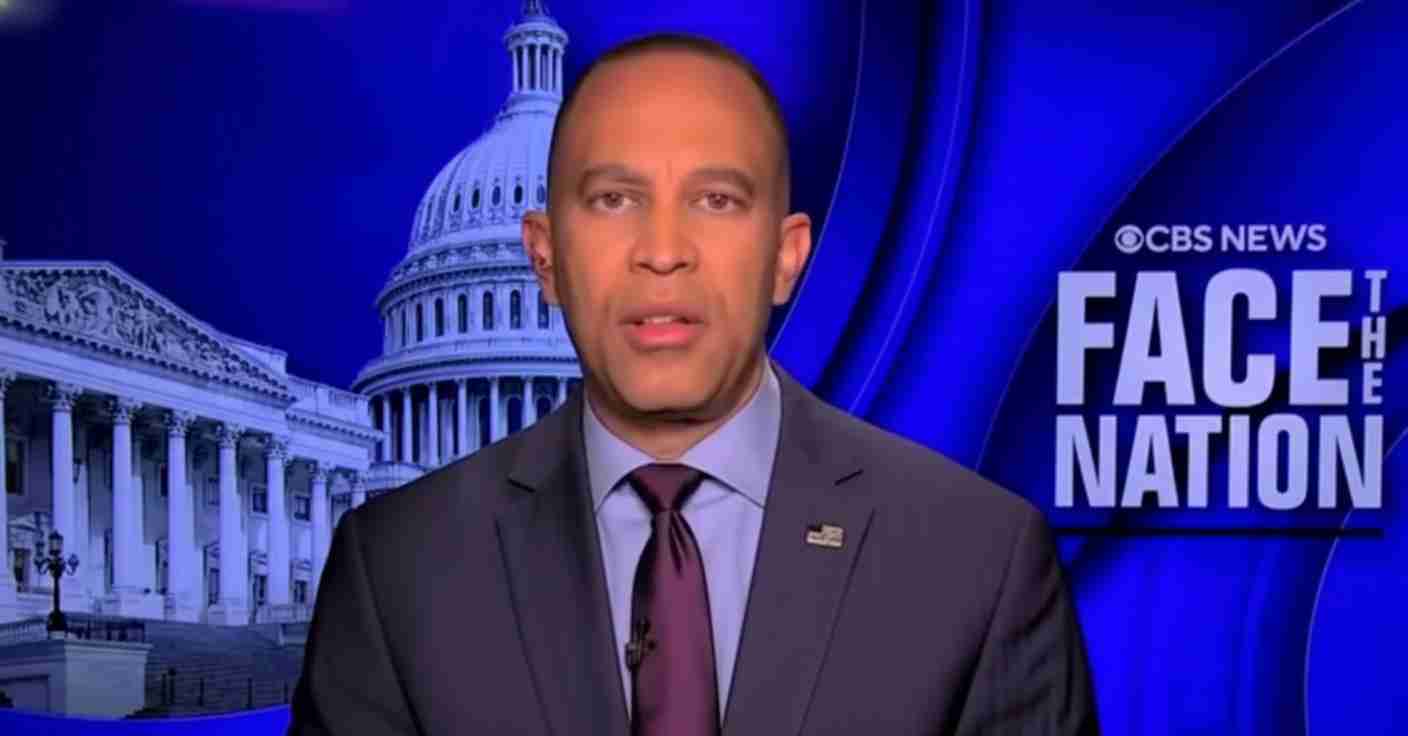
On television, Jeffries repeatedly distinguished those concerns from the kind of election denial that fueled false claims after 2020. In interviews, including with CBS, he said his party did not include “election deniers” and that his worry was about structural moves — gerrymandering and restrictive voting laws — that can skew results before ballots are cast. See the full CBS interview and his Jeffries interview video.
When pressed about whether such rhetoric could undermine voter confidence, Jeffries argued the remedy is mobilizing turnout and defending procedures — not spreading unproven fraud allegations. He emphasized local organizing and turnout as the counter to legal and political changes that affect vote weight and representation. Short clips of his remarks circulated online, including a Jeffries short clip.
How critics responded
Republican critics seized on past comments by Jeffries to challenge his current claims. The GOP and allied outlets pointed to times he referenced Russian interference in 2016 or called then-President Trump “illegitimate,” using those moments to argue inconsistency with his present defense of Democrats. See the Time analysis and critiques for examples and context.
Journalists and analysts note the comparison is not exact: objections grounded in documented foreign interference or legal processes are different from asserting certifiable results were overturned by mass fraud without evidence. Independent observers point to the post-2020 election denial movement as distinctive for rejecting certified outcomes and promoting baseless claims — a separate phenomenon from contesting the rules that shape competition (Background on the movement).
Election integrity debate: procedure vs. fraud
The clash highlights a broader debate over election integrity. One side centers on process: who draws district lines, how voting rules change, and whether measures ensure equal vote weight. Jeffries and many Democrats point to evidence that gerrymandering and targeted voting restrictions can distort representation (see the Jeffries press release).
The other side warns that aggressive rhetoric can bleed into distrust of certified results. After 2020, many courts and nonpartisan experts rejected widespread fraud claims; the post-2020 movement shows how rhetoric can lead to efforts to overturn outcomes or change rules for partisan advantage (Background on the movement).
Remedies differ: Democrats favor stronger voting access and independent redistricting; Republicans emphasizing fraud concerns have pushed stricter voter ID and mail-ballot limits in some states. That policy tension drives sensitive midterm messaging.
Reporting and media sparring
Jeffries’ back-and-forth with CBS illustrated how media framing amplifies the dispute. CBS asked whether his language risked being read as denying legitimate results; Jeffries said Democrats would accept lawful certified outcomes but must guard against legal maneuvers that subvert fairness (read the CBS coverage).
Video clips of interviews and speeches circulated widely — on Jeffries’ office channel (full video) and short-form clips (shorts) — fueling partisan replay, fact-checking, and targeted attacks. Analysts note outlets like Time magazine chronicled how GOP critics used prior remarks to question his credibility while also explaining contextual differences.
Implications for California
Economic impact
California’s economy relies in part on political stability and clear rules for representation. If national debates push states toward aggressive redistricting or voting restrictions, businesses could face uncertainty around policymaking. Litigation and election-related legal battles can raise costs for state and county budgets, affecting services Californians rely on.
Political consequences
California uses independent redistricting commissions, but national shifts matter. Aggressive gerrymanders or voting-rule changes elsewhere could alter Congressional balance, impacting federal policy for California on infrastructure, climate funding, and immigration. Moderates may worry national polarization and redistricting could produce federal gridlock or policy swings.
Social effects
Rhetoric about “rigged” elections can depress turnout or increase distrust. In California’s diverse communities, transparent messages and processes are vital to sustain participation. Local contests — school boards, municipal races — may feel ripples if national narratives erode confidence in election administration.
Cultural relevance
Californians prize orderly process and rule of law. The debate — procedural manipulation versus baseless fraud claims — resonates with voters who want both secure elections and fair representation. The state’s history with independent commissions makes residents attentive to other states’ approaches and national standards.
Practical applications for residents
Californians can take concrete steps: confirm registration status, know voting deadlines, and review district maps for local races. County election offices and civic groups provide resources to help voters. Moderate conservatives concerned about integrity might support clear, nonpartisan redistricting rules, independent audits, and transparent procedures that protect both accuracy and fairness.
Sources and further reading
- Hakeem Jeffries press statement — Leader Jeffries: Democrats are going to respond from coast to coast… (Aug. 2025)
- CBS News interview coverage
- Jeffries interview video
- Jeffries short clip addressing “no election deniers”
- Time magazine analysis of GOP attacks on Jeffries
- Background on the election denial movement
Summary: This reporting examines how Jeffries’ rhetoric reopened the election integrity debate around gerrymandering and midterm maps, and how media scrutiny and partisan attacks shape public understanding — an issue that matters to Californians who value fair rules, secure voting, and stable governance.