Costco files federal suit over Trump emergency tariffs, seeks refunds before Dec. 15 liquidation deadline
Costco has sued in the U.S. Court of International Trade to challenge former President Trump’s emergency tariffs, seeking refunds of millions and an injunction before a Dec. 15, 2025 liquidation deadline that could bar recovery for importers.
- Urgent timing: Costco seeks to stop liquidations before Dec. 15, 2025 to preserve refund claims.
- Legal core: The case questions whether the International Emergency Economic Powers Act authorizes presidential tariff orders.
- Financial stakes: Duties ranged up to 125% on some goods, and Costco says it paid substantial sums through 2025.
- Wider fight: Costco joins other importers in a multi-case legal battle that may hinge on a Supreme Court decision.
Background
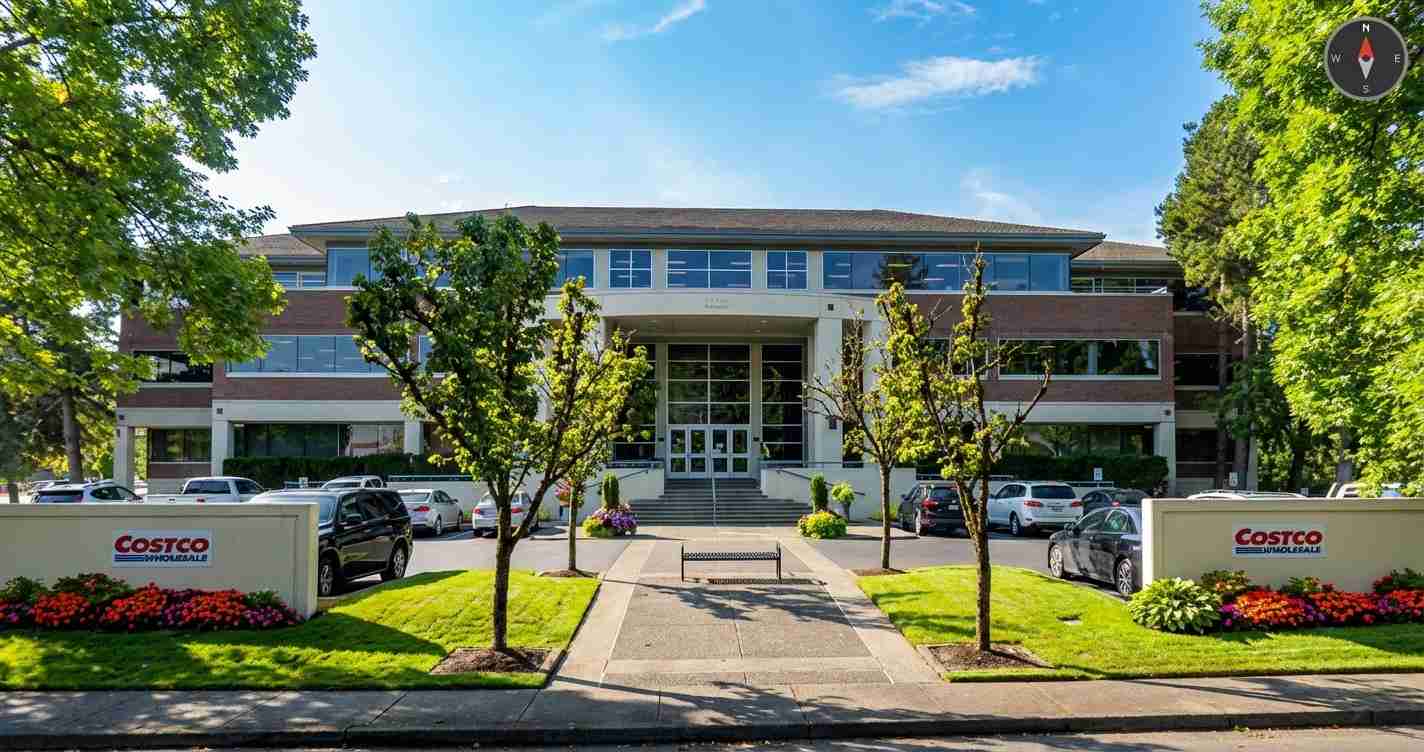
Issaquah, Washington (Times Media Service) – Costco Wholesale Corporation filed a 17-page complaint in the U.S. Court of International Trade challenging emergency tariff orders. The company argues the orders are unlawful and seeks to recover millions paid in duties. Costco filed a 17-page complaint.
What Costco is asking the court to do
Costco asks the court to:
- Declare the emergency tariff orders invalid and unlawful.
- Block U.S. Customs and Border Protection (CBP) from applying the tariffs to future shipments.
- Require the government to refund all duties collected under the emergency tariff program.
- Suspend upcoming liquidations that could bar refund claims and permanently prevent CBP from enforcing the challenged tariff codes against Costco. See what Costco is asking the court to do.
Legal basis and main arguments
At issue is whether the president can use the International Emergency Economic Powers Act (IEEPA) to impose tariffs. The administration relied on IEEPA for the orders, while Costco and other importers contend that Congress, not the president, sets tariffs. The complaint states that IEEPA does not authorize tariff creation or increases. See the reporting on IEEPA’s role: International Emergency Economic Powers Act (IEEPA).
As a backup, Costco argues that even if IEEPA were read to allow tariffs, the statute would be unconstitutional because it effectively delegates Congress’s tariff-setting authority to the president without clear limits. That claim frames the dispute as both a statutory and constitutional challenge.
Judicial history supporting importers
The complaint cites earlier rulings that weaken the administration’s position. This year the U.S. Court of International Trade initially found the administration exceeded its authority, and the U.S. Court of Appeals for the Federal Circuit affirmed that ruling in August, concluding the emergency-powers law did not authorize tariffs. Those precedents bolster Costco’s claim for refunds. See coverage of the precedents: judicial decisions cited in the complaint.
The December 15 liquidation deadline and urgency
Why it matters: Customs will begin finalizing, or “liquidating,” import entries on or after Dec. 15, 2025. Once liquidated, duty amounts are fixed and importers typically lose the ability to challenge or recover duties. Costco says at least one entry has already been liquidated and more are approaching the cutoff.
Costco requested a delay of liquidation from CBP, but Customs denied the request on Nov. 18, prompting the lawsuit and a planned motion for a preliminary injunction to halt additional liquidations. Customs denied Costco’s request to delay liquidation on Nov. 18.
Financial impact and market effects
Costco says it paid substantial sums in import duties through 2025 as tariffs were amended, raised and sometimes suspended across February, March and April. Duties ranged from about 20% to as much as 125% on some Chinese goods, according to the complaint.
The filing alleges the orders created market instability and sudden cost increases that retailers had to absorb or pass to consumers, affecting margins, pricing and business plans. See reporting on the duties and market effects: duties ranged up to 125%.
Broader legal fight and other businesses
Costco joins several companies challenging the emergency tariffs, including Learning Resources, Inc. and V.O.S. Selections, Inc., plus apparel makers, auto parts suppliers and distributors. Some challengers have already won rulings striking down the tariff orders, illustrating the wide reach of the dispute for U.S. trade policy and global supply chains. Coverage notes the growing list of challengers and rulings: companies challenging the emergency tariffs.
Supreme Court timing
The U.S. Supreme Court heard consolidated cases on the emergency tariffs on Nov. 5. A forthcoming Supreme Court decision could clarify the scope of presidential power under IEEPA and affect corporate refund claims. But Costco says it cannot passively wait if liquidation deadlines will prevent recovery. See coverage of the Supreme Court timing: Supreme Court hearing on Nov. 5.
Implications for California
California — a major import gateway and consumer market — could see significant effects:
- Economic impact: If tariffs stand or liquidation blocks refunds, retailers and distributors in California could face higher costs and pass them to consumers.
- Jobs & supply chains: Import-dependent businesses may face uncertainty affecting hiring, inventory and logistics investments.
- Local businesses: Small suppliers often lack resources to pursue complex refund claims and may absorb higher costs or lose business.
- Consumer prices: Higher duties can reduce affordability for families and seniors who rely on lower-cost bulk goods.
- Political questions: The case raises a broader issue about executive emergency powers versus Congress’s trade authority — a point of interest for California policymakers favoring predictable policy.
Practical advice: importers using California ports should monitor liquidation timelines closely, consult trade counsel, and consider protective filings because missing liquidation windows can forfeit recovery rights even if tariffs are later invalidated.
Next legal steps
Costco plans to file a motion for a preliminary injunction to stop liquidation of tariff-affected imports while the court decides its case. That motion is intended to preserve Costco’s ability to seek refunds if the tariffs are found unlawful. See reporting on the planned injunction and litigation timeline: preliminary injunction and motion and additional legal context.