Chumash Intertribal Powwow Santa Ynez Marks 60th Anniversary, Draws Tribes From Across North America
Native American tribes from across North America will gather in Santa Ynez, California, on October 4–5, 2025, for the 60th Annual Chumash Intertribal Powwow, hosted by the Santa Ynez Band of Chumash Indians, celebrating dancing, drumming, food, and culture.
- 60th Anniversary — a major intertribal gathering open to the public on Oct. 4–5, 2025, on the tribe’s sacred grounds.
- Competitions & prizes — more than $155,000 in cash awards for dance and drumming contests, attracting hundreds of competitors.
- Accessible & family-friendly — $5 admission for adults, children under 12 free, free parking; no drugs, alcohol, weapons, or pets (service animals only).
Event details
The Chumash Intertribal Powwow returns to mark its 60th anniversary on land the tribe identifies as its original, sacred grounds — the site used for the fourth consecutive year after decades at Live Oak Camp near Santa Barbara. The two-day event is staged by the Santa Ynez Band of Chumash Indians; see the Santa Ynez Band of Chumash Indians press release and the Noozhawk feature for background.
Schedule: Each day begins with ceremonial activity and a grand entry at 1 p.m., followed by youth and royalty recognitions and intertribal and exhibition dances starting at 2 p.m. Attendees are encouraged to bring lawn chairs and blankets for seating.
Key logistics:
- Event: 60th Annual Chumash Intertribal Powwow (Chumash Intertribal Powwow Santa Ynez).
- Hosts: Santa Ynez Band of Chumash Indians.
- Dates/Times: Saturday, Oct. 4 (10 a.m. – 10 p.m.), Sunday, Oct. 5 (10 a.m. – 6 p.m.).
- Location: Corner of Meadowvale Road and Highway 246, Santa Ynez, CA.
- Admission: $5 for adults; children under 12 free; parking free.
- Rules: Open to the public; no drugs, alcohol, weapons, or pets (service animals only). Camping available for registered participants and vendors (see the Powwows.com event listing and related culture day listing).
Powwow highlights and competition
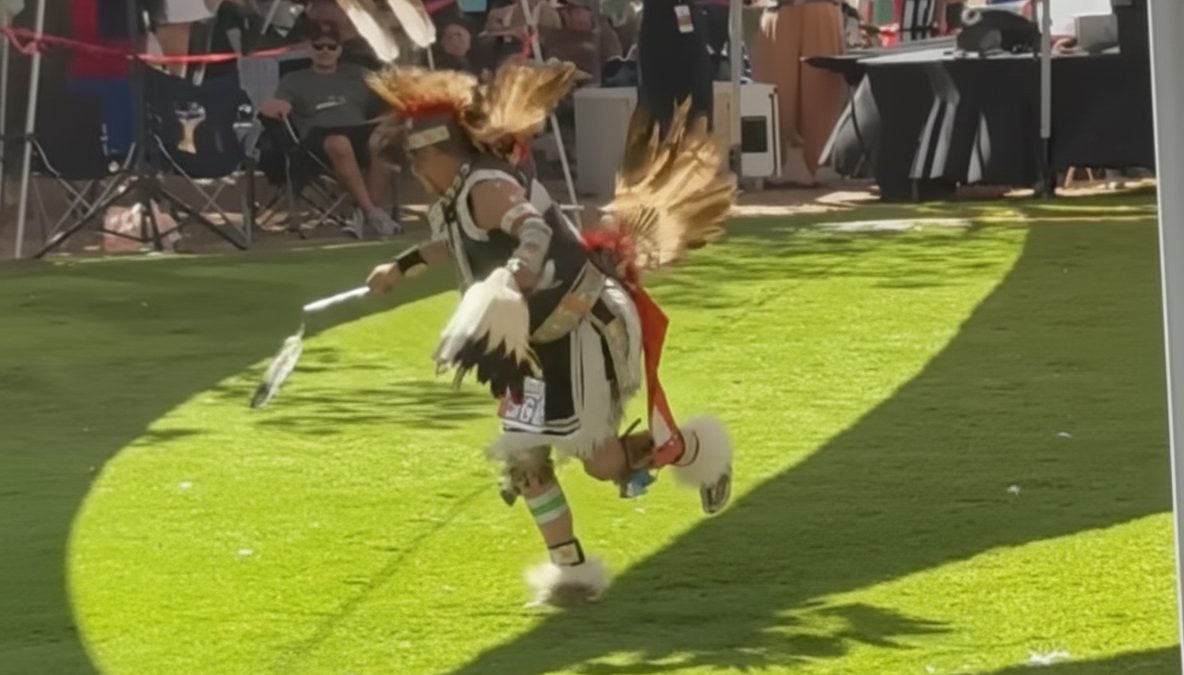
Competitions and demonstrations form the heart of the powwow. Dance categories include divisions for young children up to elders 70 and older, featuring styles such as traditional, straight, fancy, grass, jingle dress, buckskin, cloth, and chicken dance. Singers, drummers, and dancers from tribal nations across the United States and Canada will participate.
Organizers say more than $155,000 in cash prizes will be handed out in dance and drumming contests, drawing hundreds of competitors and raising the event’s profile on the powwow circuit (press release).
Cultural programming and community engagement
Beyond competition, the powwow hosts arts and crafts booths featuring Native American artisans, traditional food vendors, and educational exhibits. Organizers emphasize the event’s role in teaching Chumash and broader Indigenous customs and music to the public. Tribal volunteers run much of the operation, underscoring grassroots involvement and local stewardship (Noozhawk feature; Powwows.com event listing).
History and significance
The first powwow, held in 1965, began as a fundraiser to bring running water to the Santa Ynez Reservation. Over six decades it has evolved into an annual celebration of Indigenous heritage in California, focusing on cultural education, tribal self-reliance, and community pride. For many community members, the powwow is both a spiritual gathering and a practical source of income and exposure for artists and vendors (see the press release and the Noozhawk feature).
Leadership and organization
A committee of Chumash tribal volunteers coordinates the event. Key 2025 staff listed by organizers include Master of Ceremonies Howie Thompson, Arena Director Wayne Silas Jr., Dance Judge Chaske LeBlanc, and Singing Judge Jared Brown. The powwow relies heavily on volunteer labor and tribal leadership, helping keep costs down and maintain cultural authenticity (Powwows.com event listing; Noozhawk feature).
Sustainability, safety and logistics
Organizers describe the powwow as a Zero Waste initiative to reduce landfill use and keep the sacred grounds clean. Rules barring drugs, alcohol, weapons, and pets (except service animals) aim to protect participants and maintain the ceremonial atmosphere. Free parking and low admission fees support accessibility for families and visitors (Powwows.com culture day listing; press release).
Investigative notes and open questions
While organizers provide logistical details and programming, several items merit follow-up reporting and transparency:
Funding sources for prize money: The $155,000+ cash purse is notable; organizers cite tribal fundraising and sponsorships, but public accounting of sources and distribution would clarify funding and oversight.
- Public safety coordination: Confirm local law enforcement and tribal security protocols, given open public access and expected attendance.
- Environmental impact: The Zero Waste designation warrants detail on vendor compliance, recycling plans, and measured results from prior years.
- Economic benefits: Precise estimates of lodging, food, and retail impacts would help regional planning and support for the event.
Implications for California
Economic impact: The 60th Anniversary Powwow will draw visitors statewide and beyond. Low admission and free parking encourage day trips and overnight stays, benefiting hotels, restaurants, gas stations and shops. The prize purse and vendor marketplace generate direct income for artisans, performers and entrepreneurs.
Political consequences: The powwow highlights tribal sovereignty and visibility of Indigenous communities. It offers an opportunity for state and local officials to engage with tribal leaders on public safety, land use, infrastructure, and cultural preservation.
Social effects: The event serves as a bridge between tribal communities and the broader public, providing education about Indigenous heritage and fostering mutual respect.
Cultural relevance: Celebrating 60 years underscores endurance and renewal. The return to sacred tribal grounds emphasizes the importance of place for cultural practice and community stewardship.
Practical applications for residents: Family-friendly and low-cost — arrive early for parking, bring chairs or blankets, and respect rules banning alcohol and pets. Vendors and artisans should register in advance; local businesses should prepare for increased customer volume.
Attendance and support: Civic groups and local leaders can support the event through volunteers, public safety coordination, sponsorships, and visitor services to capture tourism dollars and promote cultural engagement.
Source documents and event listings
- Santa Ynez Band of Chumash Indians press release: Annual Chumash Intertribal Powwow coming to Santa Ynez on Oct. 4-5 celebrating 60 years
- Noozhawk feature: Chumash Intertribal Powwow celebrates culture, heritage
- Powwows.com event listing: Chumash Intertribal Pow Wow
- Powwows.com related culture day listing: Annual Santa Ynez Chumash Culture Day
Reporting contact
For more information on schedules, vendor registration, and volunteer opportunities consult the Santa Ynez Band of Chumash Indians press release, the Noozhawk feature, and the Powwows.com event listing.
Quote: “For many community members, the powwow is both a spiritual gathering and a practical source of income and exposure for artists and vendors.”