CES 2026 Showstoppers in Las Vegas: 10 Gadgets That Stole the Show
CES 2026 in Las Vegas unveiled breakthrough consumer electronics, from LG’s pencil‑thin Wireless Wallpaper OLED to stair‑climbing vacuums, AI wearables and solar robots — showstoppers that previewed practical upgrades and experimental ideas shaping homes and daily life.
Key takeaways
- LG’s W6 “Wallpaper” OLED returned as a truly wireless, pencil‑thin flagship using a separate wireless Zero/One Connect box and new Primary RGB Tandem OLED tech.
- Robotics advanced: Dreame’s stair‑climbing vacuum and LG’s CLOiD home robot show increasing focus on whole‑home automation and telepresence.
- AI wearables and safety: SwitchBot’s MindClip and Timeli emphasize contextual AI, discreet alerts and privacy questions regulators will watch.
- Range of ideas: CES blended practical consumer releases with experimental concepts — from foldable steering wheels to solar power robots and smart LEGO bricks.
The 10 showstoppers — what they are and why they mattered
LG Wallpaper TV (LG OLED evo W6 “Wallpaper”)
What it is: LG revived its ultra‑thin Wallpaper TV as the W6, billed as the world’s thinnest true‑wireless OLED. The panel is about 9 mm thin and mounts flush to the wall while ports live on a separate Zero/One Connect wireless box that can sit up to roughly 10 meters away.
Why it mattered: Reviewers called it one of the most jaw‑dropping TV demos at CES 2026 for design and brightness. LG says the set uses a new Primary RGB Tandem OLED panel with Hyper Radiant Color and a Brightness Booster Ultra to produce higher highlights while keeping OLED blacks. It supports 4K at 165 Hz and gaming features like NVIDIA G‑SYNC compatibility. Sources: LG newsroom, Engadget, What Hi‑Fi, LG CES pages.
Dreame Cyber X Stair‑Climbing Robot Vacuum
What it is: A concept robot vacuum that can climb stairs and move between levels on its own.
Why it mattered: If it works at scale, it addresses the biggest limitation of many robot vacuums — multi‑floor homes. On the CES floor, demonstrators highlighted its stair‑climb mechanism and advanced navigation. The device was shown as an early demo; full specs and reviews are pending.
SwitchBot AI MindClip
What it is: A small clip‑style wearable that acts as an AI assistant and contextual controller for smart‑home devices.
Why it mattered: The MindClip fits the trend toward badge‑like AI wearables that provide hands‑free control of lighting, curtains and other devices. At CES it was framed as a low‑friction way to extend voice and gesture control into everyday clothing; the product remains in early demo form.
LG CLOiD Home Robot
What it is: LG’s next home robot in the CLOi family, aimed at telepresence, home monitoring and simple assistant tasks.
Why it mattered: LG showed a moving base with cameras and sensors intended for reminders, telepresence and integration with LG smart‑home gear. CLOiD underscores appliance‑makers embedding robotics and AI services into homes.
Glyde Smart Hair Clippers
What it is: App‑connected clippers designed to guide users or barbers through cuts, track lengths and offer style presets.
Why it mattered: Glyde brought “smart” features to grooming, showing CES rewards clever IoT extensions into daily life. Coverage so far is from on‑site demos and niche press; broader testing is needed.
LEGO Smart Bricks
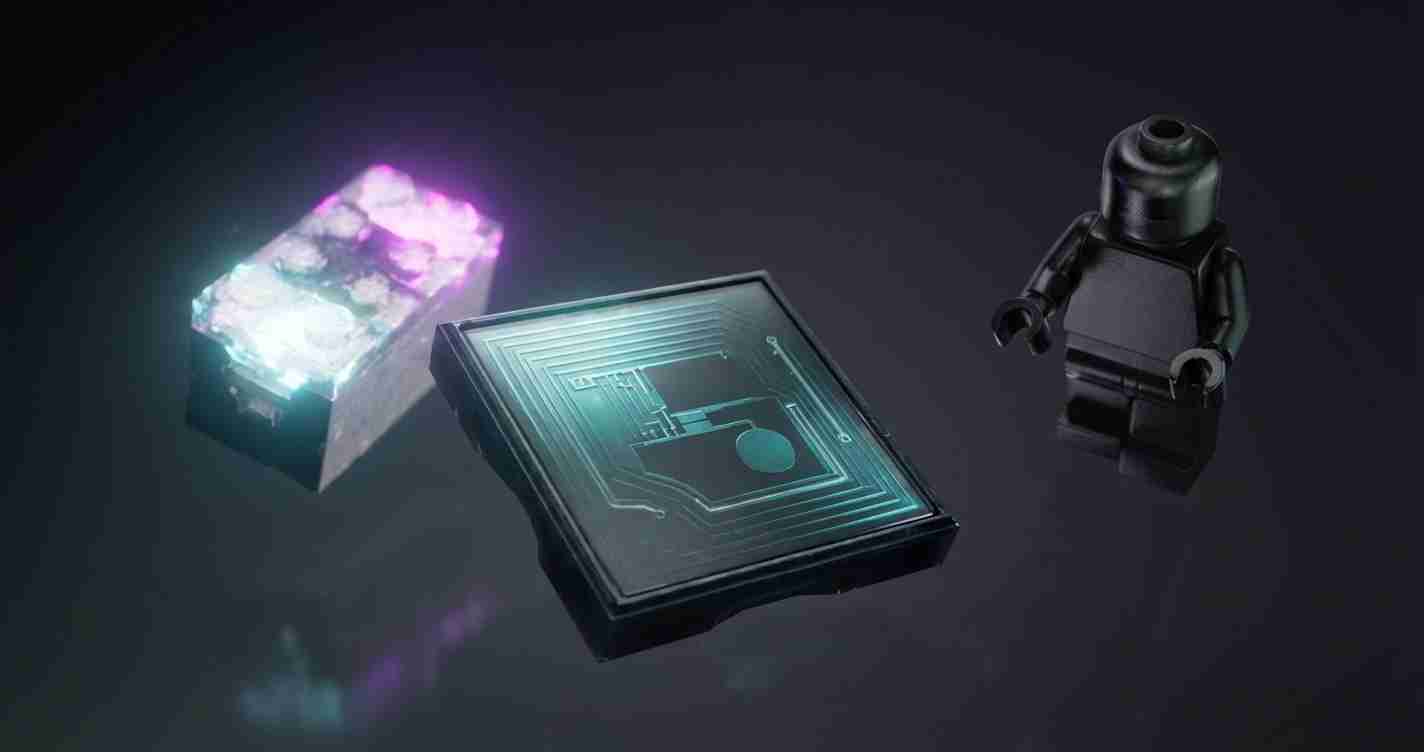
What it is: Concept bricks that add sensing or connectivity to classic building blocks.
Why it mattered: Smart Bricks promise interactive builds for education and play, linking physical models to apps and simple logic. The playful demos were forward‑looking for classrooms and makers.
Autoliv Foldable Steering Wheel
What it is: A prototype steering wheel that folds or retracts for autonomous or semi‑autonomous vehicle cabins.
Why it mattered: Autoliv’s demo ties safety design to future cabin layouts. A foldable wheel affects airbag packaging, interior design and safety considerations for vehicles that may frequently drive themselves.
TDM Neo Hybrid Headphones
What it is: High‑end headphones featuring hybrid driver technology and flexible wired/wireless operation.
Why it mattered: The Neo Hybrid surfaced in audiophile roundups as a “hidden gem,” illustrating CES as a launching ground for boutique audio makers.
Jackery Solar Mars Bot
What it is: A mobile solar‑powered robot that unfolds panels, orients to the sun and feeds power to devices or a home.
Why it mattered: Jackery’s Solar Mars Bot links portable energy tech to semi‑autonomous robots. It attracted sustainability and outdoor‑tech coverage for emergency power and off‑grid scenarios.
Timeli Personal Safety Device
What it is: A small wearable that sends discreet emergency alerts, location sharing and incident logs to contacts or services.
Why it mattered: Timeli exemplifies the connected‑health and safety trend: ever‑smaller devices that prioritize quick alerts. It drew interest for an always‑on design but raises privacy and data‑handling questions.
Sources and reporting notes
On several items — Dreame Cyber X, SwitchBot MindClip, Glyde clippers, LEGO Smart Bricks, Jackery Solar Mars Bot and Timeli — CES coverage is based on on‑site demos, company PR and early hands‑on impressions. LG’s Wallpaper TV has more detailed press material and hands‑on reviews from major outlets referenced above. Reporters emphasized the difference between concept demos and shipping readiness; several devices shown are prototypes or early products without shipping dates.
Implications for California
Economic impact: California’s large consumer market and supply‑chain ties mean high‑end home devices could drive retail demand in wealthier coastal areas and create revenue for AV installers and smart‑home integrators. Solar and portable energy gadgets may appeal to homeowners preparing for wildfire seasons.
Jobs and industry: CES showstoppers can create ripple effects for California firms that design, integrate or resell products. Startups building compatibilities, voice integrations and security services could find new contracts; labor may shift toward software, installation and maintenance roles.
Political and regulatory effects: California regulators focus on privacy, data security and product safety. Wearables like SwitchBot’s MindClip and Timeli raise questions about continuous audio, location sharing and retention. State privacy laws and AI scrutiny will likely influence marketing and sales.
Social and community impact: Devices easing chores (stair‑climbing vacuums), improving safety (personal wearables) or offering backup power (solar bots) may especially appeal to multi‑story homes, aging populations and outdoor lifestyles common in California.
Cultural relevance: Slim, wall‑flush TVs fit the minimalist aesthetics and open‑plan living popular in parts of California; compact energy and robotics support camping and off‑grid interests.
Practical applications for Californians
- Home resilience: Jackery’s Solar Mars Bot and similar tech offer backup power options for grid instability.
- Accessibility: A stair‑climbing vacuum could ease chores for older adults in multi‑floor homes.
- Safety and privacy: Timeli and MindClip deliver safety benefits but require clear privacy controls to meet California standards.
- Business opportunities: AV shops, home integrators and renewable energy installers can position to sell and support these devices.
Sources for further reading (selected)
– LG newsroom; LG CES materials
– Engadget hands‑on and CES reporting
– What Hi‑Fi LG lineup overview
– LG product video demos referenced in hands‑on coverage: LG product video demo 1; LG product video demo 2
Reporting at CES is ongoing. Many devices shown in Las Vegas are early demos or concepts; buyers and California regulators should watch for shipping dates, full specs and privacy documentation as products move from the show floor to stores and homes.