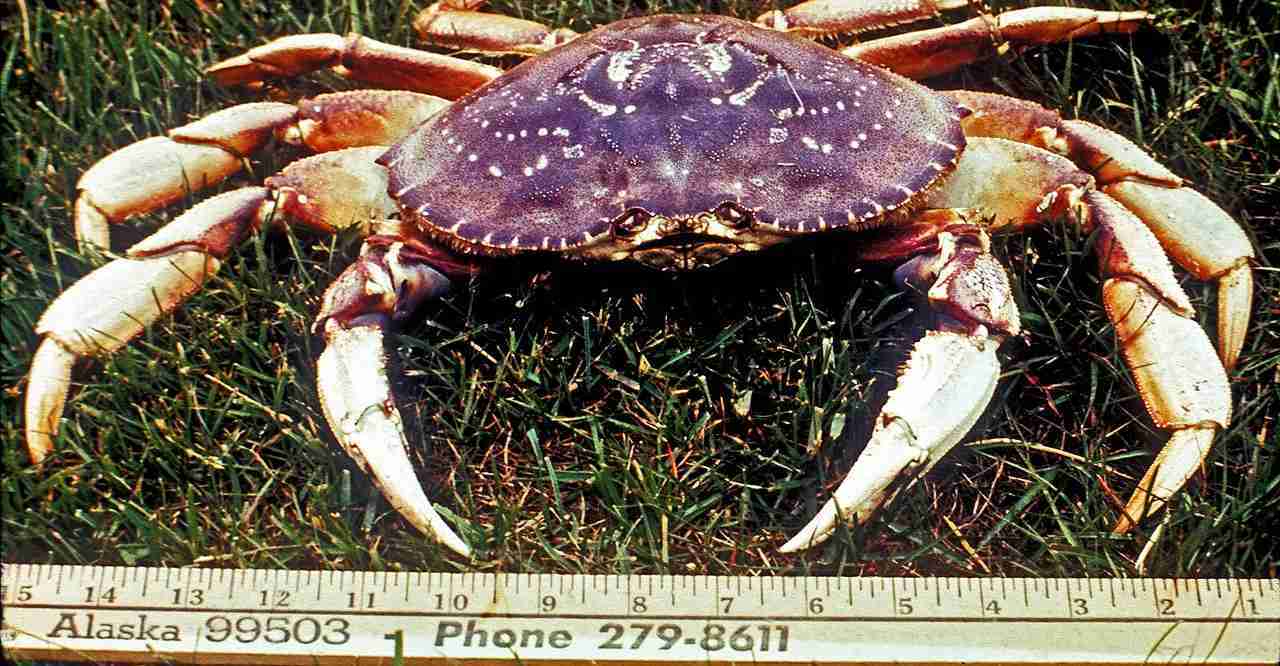
California delays 2025 commercial Dungeness crab season amid whale entanglement risks; recreational crabbing allowed in parts of the state with strict limits
California’s commercial Dungeness crab season is delayed statewide until at least Jan. 1, 2026, after four humpback whale entanglements triggered automatic protections; recreational crabbing is allowed in parts of the state Nov. 1 with strict gear limits.
- Commercial season: Closed through Dec. 2025; not to reopen before Jan. 1, 2026 (Oceana press release, SeafoodSource).
- Automatic trigger: Three or more confirmed humpback entanglements in crab gear in a calendar year pauses the commercial season (Oceana press release).
- Recreational rules: Recreational crabbing allowed Nov. 1 in many zones using hand-operated nets or snares; crab pots are prohibited in several areas until further notice (CDFW recreational notice).
Commercial season delay: what changed and why
The California Department of Fish and Wildlife (CDFW) announced the commercial Dungeness crab fishery will remain closed through December 2025 and will not reopen until at least Jan. 1, 2026. The closure follows the policy that automatically pauses the fishery when three or more confirmed humpback whale entanglements in crab gear occur in a calendar year. CDFW officials reported at least four confirmed entanglements in Dungeness crab gear in 2025, with additional entanglements in unknown gear that may be linked to the fishery (Oceana press release; SeafoodSource).
Recreational crabbing limits and where they apply
CDFW has allowed recreational crabbing to begin Nov. 1, 2025 in parts of the coast, but with strict gear limits to reduce entanglement risk. In many Northern and Central California zones (Zones 1, 3 and 4), anglers may use hand-operated nets or snares only; crab pots are prohibited for recreational users in those areas until the commercial fishery reopens. Anglers are urged to check the state maps and rules before heading out (CDFW recreational notice).
Whale entanglement risks and scientific context
Scientists and conservation groups note that entanglement risk has risen as whale populations recover and ocean conditions change. Vertical lines and static pot gear increase the chance whales will become entangled, which can cause severe injury, impaired feeding or migration, and death. The automatic-trigger rule aims to reduce fatalities and speed recovery for protected stocks (Oceana press release; SeafoodSource).
Economic and social impacts on coastal communities
The timing of the delay hits fishermen and coastal businesses during the lucrative late-fall and holiday season. Industry sources report idle wharves, processors and displacement of buyers to Washington-sourced crab, putting pressure on local prices and margins. Fishers warn repeated or prolonged closures make it difficult to pay crews, maintain vessels, and cover dockside costs (CBS San Francisco; Undercurrent News).
Industry response and calls for balance
Commercial fishing groups express frustration, highlighting economic pain and urging more targeted closures or improved gear marking to identify entanglement sources. Conservationists and regulators counter that clear, automatic rules reduce delays in protective action. Both sides say they support solutions that reduce entanglement without permanently shutting down the fishery (SeafoodSource; CBS San Francisco).
Technology and possible fixes
Tests and pilots are underway for gear designed to lower entanglement risk: pop-up gear that keeps lines off the surface, ropeless gear, improved gear marking, and more real-time whale monitoring to enable dynamic closures. Regulators say these tools show promise but are not yet widely adopted across the fleet (Oceana press release).
Enforcement and reporting
The automatic-trigger system depends on rapid reporting and investigation to determine whether confirmed entanglements involved Dungeness crab gear. Investigations can be difficult when gear snippets are not recovered or multiple fisheries operate in the same area. Improved reporting can speed protections but may also result in more frequent closures (Oceana press release).
Implications for California
Economic impact: Reduced income for fishers, crews, processors and related businesses; retailers and restaurants may source more crab from Washington, raising prices and narrowing local margins (CBS San Francisco; Undercurrent News).
Political consequences: Expect pressure on state leaders to balance conservation with waterfront livelihoods, including calls for compensation, emergency support, or policy changes to enable more targeted closures (SeafoodSource).
Social and cultural effects: Repeated closures strain families and communities that depend on predictable crab seasons; Dungeness crab is a cultural staple and holiday favorite, and restrictions shift traditions and market connections.
Practical applications for residents and fishers
Anglers and small-scale fishers should review CDFW zone maps and rules before going out. Recreational crabbing is allowed in some areas starting Nov. 1 with nets and snares only in key zones; crab pots remain prohibited in those areas until the commercial fishery reopens. Fishers interested in ropeless or alternative gear should contact local fishery groups and state programs for trials and funding information (CDFW recreational notice).
Reporting and sources
This article draws on CDFW announcements, conservation group releases and industry reporting, including: CDFW recreational notice, Oceana press release, SeafoodSource coverage, Undercurrent News, and local reporting from CBS San Francisco. Additional context is available in related media coverage.
“The rule is intended to prevent fatal outcomes and speed recovery for protected stocks while regulators, industry and conservationists work toward gear and monitoring solutions.”
Please note: For the latest zone maps, rules, and reopening updates check the California Department of Fish and Wildlife website and the linked source documents above.