Bad Bunny Instagram wipe after divisive Super Bowl halftime show fuels debate across political lines
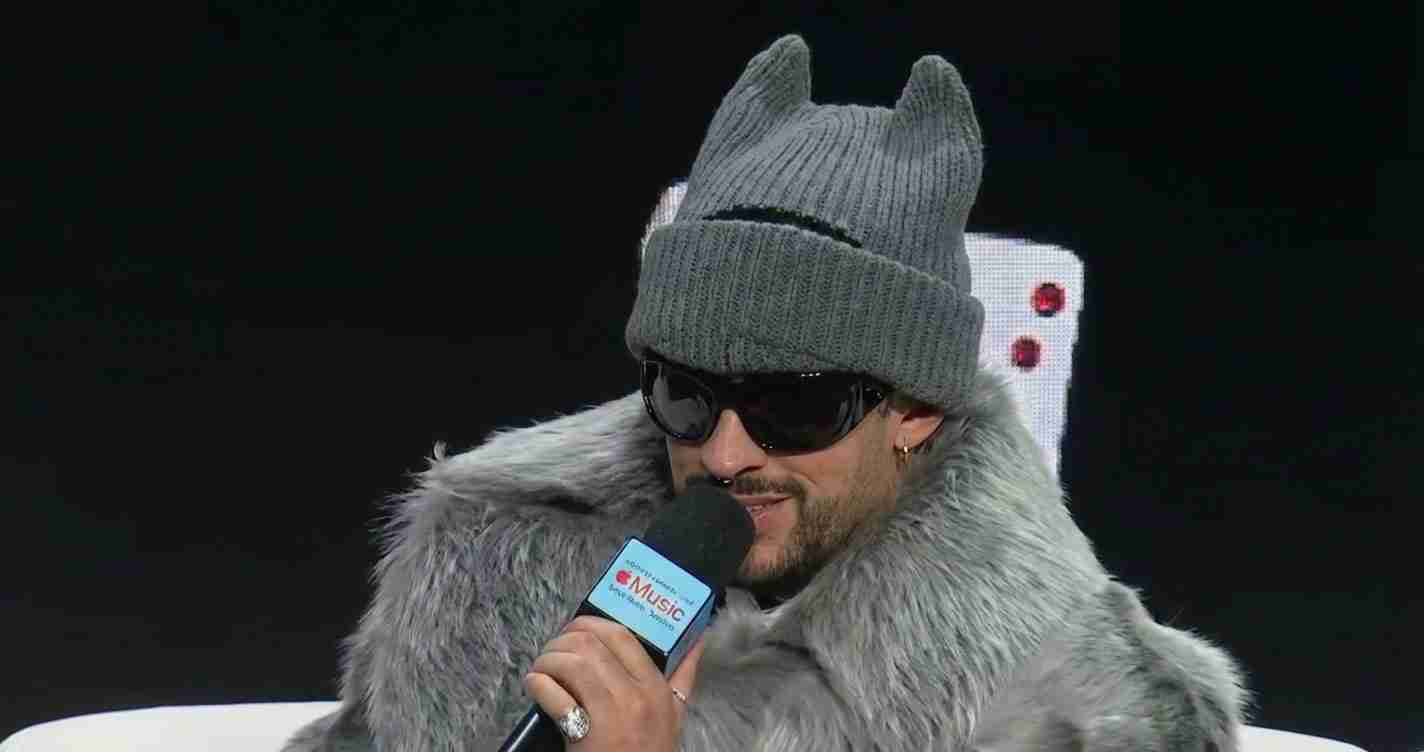
Hours after his politically charged Super Bowl LX halftime show in Santa Clara on Feb. 8, 2026, Bad Bunny deleted his Instagram posts, removed his profile photo and unfollowed everyone — a move that has fans and critics split over motive and meaning.
- Complete Instagram wipe: Bad Bunny cleared posts, profile photo and follows, leaving only followers and a link to Debí Tirar Más Fotos.
- Split reactions: Conservatives called the mostly Spanish-language, Puerto Rican-themed halftime show inappropriate; supporters hailed it as cultural pride.
- Marketing vs. message: Industry observers note wipes are common promotional tactics, but the political overtones make interpretation fraught.
What happened on Instagram
Late Sunday night, Bad Bunny (Benito Antonio Martínez Ocasio) cleared his Instagram feed: every post was removed, his profile photo disappeared and he unfollowed all accounts. The public-facing elements left were his follower count — more than 50 million — and a bio link to his 2025 Grammy-winning album Debí Tirar Más Fotos.
The change was noticed within hours and circulated across social platforms, prompting speculation about whether the move was a reaction to criticism or a calculated marketing reset.
The Super Bowl performance — what viewers saw
Bad Bunny’s halftime set at Levi’s Stadium blended pop spectacle with explicit Puerto Rican cultural references: staged sugar cane fields, older residents playing dominoes, children at a party, village-style homes and traditional treats. He performed hits such as “Titi Me Preguntó” and included a Latin-fusion segment featuring guest artists including Cardi B, Karol G and Ricky Martin, alternating between English and Spanish lyrics. Performance video
Sharp split in reactions
Responses emerged quickly and decisively along political lines. Prominent conservatives criticized the show as an *assault on American values* and unsuitable for children; former President Donald Trump declared it “absolutely terrible, one of the worst, EVER,” calling it an “affront to the Greatness of America” and arguing that Spanish-language segments were incomprehensible to many viewers.
“Absolutely terrible, one of the worst, EVER… an affront to the Greatness of America,” — Former President Donald Trump
Supporters, by contrast, called the performance a cultural tribute and a powerful statement elevating Puerto Rican identity on a global stage. California Governor Gavin Newsom praised the show, dubbing it “Bad Bunny Day” and thanking the artist for representing the state’s diversity.
No official explanation yet
Bad Bunny’s publicist and management had not issued an explanation for the Instagram wipe as of press time. Media outlets reported attempts to reach his team went unanswered, leaving room for competing theories: a marketing rollout, a response to criticism, or an artistic statement tied to the halftime themes.
Industry context: account wipes as marketing tools
Wiping social feeds is a known tactic in the music industry. Artists often clear posts before album announcements, tour reveals or brand partnerships. Observers noted Bad Bunny executed a similar social reset in 2022 before expanding his promotional activity, suggesting the move could be strategic rather than purely reactionary.
Implications for California
Economic: The Super Bowl brought thousands to Santa Clara, boosting hotels, restaurants and local vendors; sustained attention may benefit regional tourism tied to major events.
Political: Reactions among state leaders reflect wider national divides — Gov. Newsom framed the show as a point of pride for Latino communities, while conservative critiques may energize voters concerned about cultural representation.
Social and cultural: For many Spanish-speaking Californians, the halftime tribute felt validating; for others, the mostly Spanish-language segments raised questions about accessibility during a national broadcast. The episode may influence programming decisions by local promoters and schools.
Practical applications for residents
Parents and event organizers may reassess family-friendly content and content warnings during large live broadcasts. Bay Area promoters might weigh potential backlash when booking artists with overt cultural or political messages, while businesses serving Latino communities may find marketing opportunities linked to the wider conversation around Latin music’s mainstream growth.