Autel car theft ring: Feds say high-tech device let thieves steal cars in under 60 seconds and ship them overseas
Federal prosecutors unveiled a 15-count indictment accusing an international ring of using a handheld Autel device to reprogram vehicles and steal more than 100 cars — including Hondas — across D.C., Maryland and Pennsylvania, then ship them overseas.
- Fast, high-tech theft: Prosecutors say an Autel programming tool let thieves reprogram a car’s computer and create blank key fobs in under 60 seconds.
- Wide geographic reach: More than 100 cars reportedly taken in D.C. and 30+ in Prince George’s County, Maryland, then moved to East Coast ports for export.
- Organized export scheme: Vehicles were allegedly hidden in mislabeled containers and shipped to Africa, where resale value is high.
What happened
On April 22, 2026, the U.S. Attorney for the District of Columbia announced a 15-count federal indictment against members of an alleged international car theft ring. Prosecutors say suspects used a handheld Autel device to rewrite a vehicle’s internal computer and program blank key fobs — enabling thefts without broken windows, hot-wiring, or stolen keys.
Scope and locations
Authorities reported the ring operated across Washington D.C., Maryland (including Prince George’s County), and Pennsylvania. Officials say more than 100 cars were taken in D.C. and over 30 in Prince George’s County. The identified street value of more than 20 recovered vehicles approaches nearly $1 million, and investigators are pursuing links to roughly 100 additional suspect vehicles.
How the ring allegedly worked
Prosecutors described a fast, low-profile method that relies on a compact electronic programming tool rather than brute force. According to U.S. Attorney Jeanine Pirro, the suspects used an Autel device — a commercially available automotive programming tool — to “rewrite the brain” of a car’s computer in less than 60 seconds. Pirro said,
“Bang, less than 60 seconds, the car is gone.”
Investigators say thefts were often staged at night in residential neighborhoods. Thieves targeted locked, parked cars — especially Hondas and popular U.S. models — and took steps to prevent detection, including disabling tracking systems such as GPS and Bluetooth before moving vehicles to temporary holding locations.
Post-theft moves: cooling-off zones and export
After quick thefts, the ring allegedly used “cooling off zones” — short-term stops to swap license plates and VINs. Prosecutors named a Marriott in Pennsylvania and areas near the D.C. Navy Yard as examples where thieves obscured a vehicle’s trail.
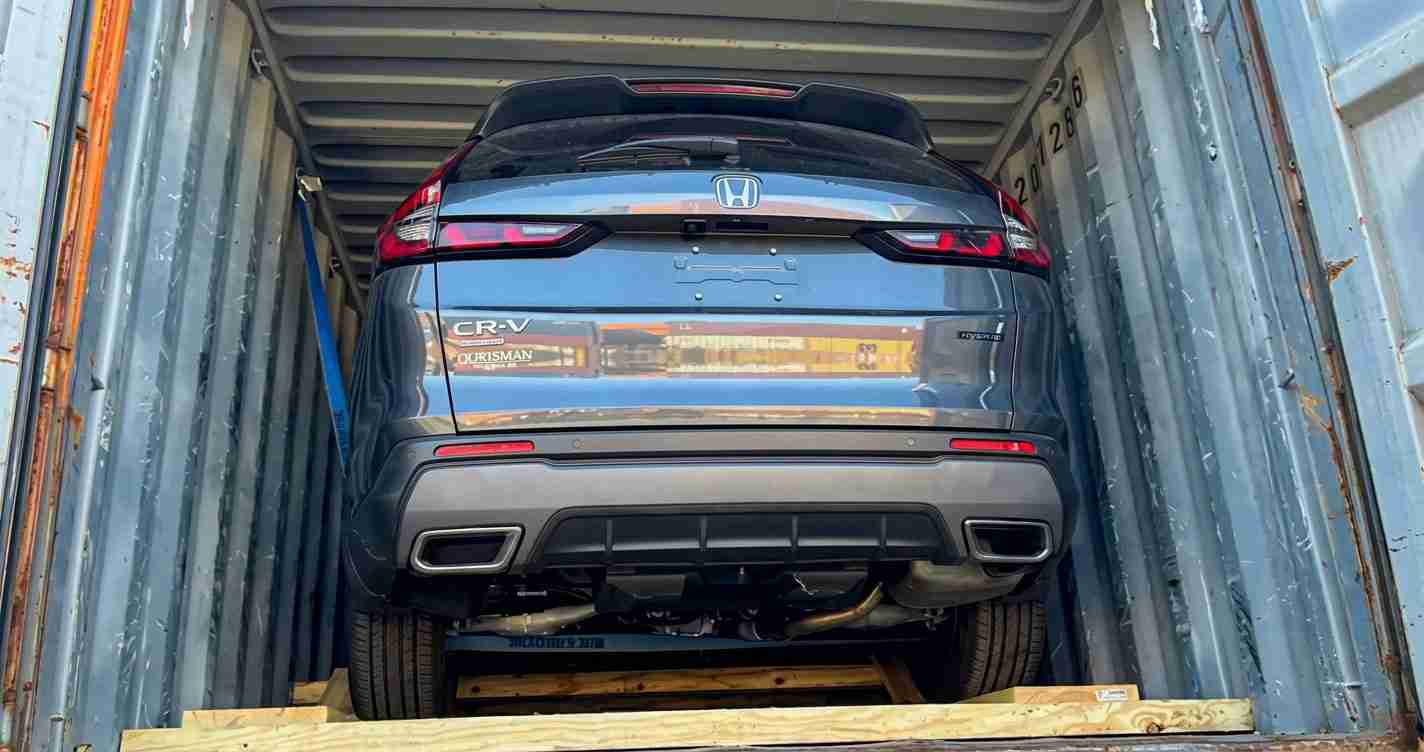
From holding sites the vehicles were reportedly moved to East Coast ports, including Savannah, Georgia, and Baltimore, Maryland. Vehicles were allegedly loaded into shipping containers mislabeled as “Furniture” to avoid added inspection and then exported to Africa, where demand and black‑market prices are high.
Who announced the case and how investigators worked it
U.S. Attorney Jeanine Pirro announced the indictment alongside D.C. Mayor Muriel Bowser, Metro Police Interim Chief Jeffery Carroll, and FBI officials. Authorities said months of investigative work — including surveillance, vehicle analysis, and coordination with port and shipping officials — produced the indictments. Multiple suspects face federal charges; names and full indictment specifics were not yet publicly released as the probe continues.
Why Hondas and certain models are targeted
Officials highlighted Hondas, Corvettes and Camaros among the most commonly stolen models. Prosecutors noted that many older Hondas have systems that can be more easily reprogrammed and also enjoy strong resale demand overseas. Criminals can convert regional vehicles into high-value exports quickly, which helps explain the numbers and cross-border element of the scheme.
What the federal charges allege
The indictment includes 15 counts alleging conspiracy, interstate transportation of stolen property, and related offenses. Prosecutors tie defendants to the use of Autel devices and the movement of stolen cars through ports for export, and indicated further leads tied to roughly 100 additional vehicles.
Law enforcement and industry reactions
Local and federal officials framed the case as a warning about the modernization of auto theft. They urged owners to:
- Park in well-lit areas and use visible deterrents (steering-wheel locks, etc.).
- Install tracking systems with tamper alerts or secondary verification.
- Keep vehicle software updated and verify identity before reprogramming at repair shops.
Industry experts note commercially available diagnostic and programming tools like Autel are lawful for mechanics and dealerships but can be abused when diverted to criminals.
Implications for California
California — with its large vehicle fleet and major ports such as Los Angeles and Long Beach — could face increased insurance claims, higher premiums, and pressure on port inspection resources if similar tactics spread west. Authorities warn that mislabeled containers hiding vehicles could strain inspection systems and require closer port-law enforcement cooperation.
Policy and enforcement responses may include tighter resale/export paperwork, enhanced partnerships between state and federal agencies, and stronger controls around access to programming tools at repair shops and dealerships. Community measures — neighborhood watch, visible deterrents, and reporting suspicious activity — were also recommended.
Sources (for hyperlinking and verification)
- Fox News coverage of Pirro announcement
- KATV reporting on the Autel car theft ring and arrests
- Video of Pirro news conference (YouTube)
- Additional video reporting (YouTube)
Reporting is based on public statements by U.S. Attorney Jeanine Pirro, local officials and media reporting cited above. All original facts, information, and source URLs are preserved for verification.