Amazon to Close Four Southern California Amazon Fresh Stores? Investigating the Claims and What It Means for the Region
There is no definitive public confirmation that Amazon will close four specific Southern California Amazon Fresh stores; this analysis examines Amazon’s retail strategy, closure drivers, local implications and where readers can find verified online updates.
- No reputable reporting currently confirms imminent closures of four named Southern California Amazon Fresh locations.
- Amazon has closed stores before when formats or locations underperformed — a reminder of its experimental retail approach.
- Key drivers include sales, rent, competition, logistics, labor costs and online integration.
- For confirmation, check Amazon’s corporate news site and established business outlets.
Background: Amazon’s physical grocery experiment
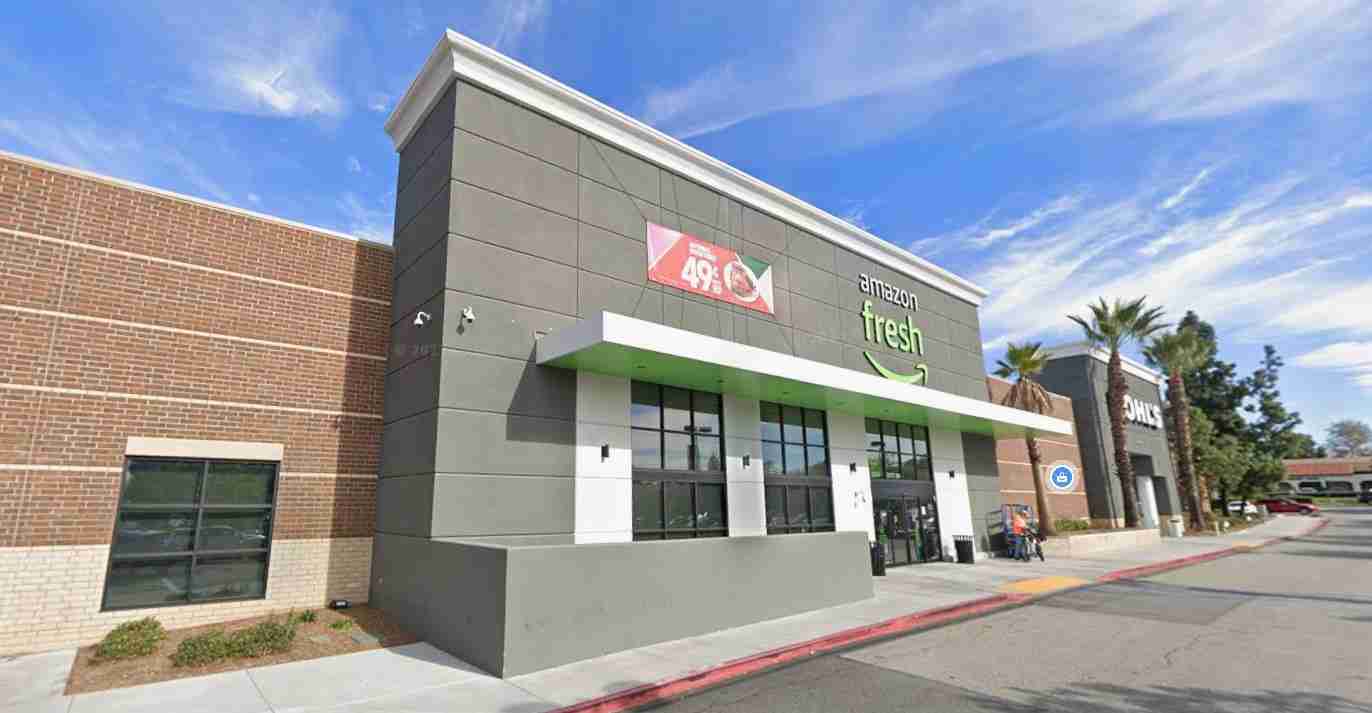
Amazon Fresh combines traditional grocery retail with Amazon’s digital tools — including online ordering, pickup and delivery. The chain has both expanded and contracted as the company tests formats and markets. When locations fail to meet internal targets, Amazon has shown it will close or repurpose stores rather than maintain underperforming footprints.
Past moves — such as the shutdown of Amazon’s 4-star stores and other concepts — illustrate the company’s willingness to iterate rapidly and reallocate resources when returns don’t justify continued investment. See CNBC coverage of past store changes for context.
Why closures are alleged — common drivers behind store cuts
When rumors of closures surface, analysts consider predictable operational and market factors:
- Performance metrics: sales per square foot, repeat customer rates and online order integration determine viability.
- Costs and rents: Southern California’s high commercial rents and operating expenses raise the bar for profitability.
- Competitive pressure: national and regional grocery chains and specialty stores create a crowded market.
- Logistics and labor: supply-chain complexity and California-specific labor rules increase operating costs.
- Customer preferences: shifts toward delivery or away from in-store shopping change demand dynamics.
What the record shows and where to look for confirmation
At the time of reporting, there is no clear confirmation from Amazon or major national outlets that four specific Amazon Fresh stores in Southern California are scheduled to close. The absence of firm reporting suggests three possibilities:
- The closures are imminent but not yet publicly announced by Amazon.
- The circulating information is inaccurate or based on unconfirmed tips.
- Stores may be changing operating models (reformats, relocations, or conversions) rather than permanent closures.
If you’re seeking verification, monitor these trusted sources:
- Amazon’s corporate news site
- Los Angeles Times for local reporting and community-level updates
- Bloomberg search for Amazon Fresh, Reuters search for Amazon Fresh and CNBC for national business coverage
Historical context: Amazon’s retail shifts
Amazon has continually experimented across formats — supermarkets, cashierless stores, pop-ups and specialty outlets. Closures form part of a broader strategy: scale where profitable, withdraw where returns lag. These adjustments are common among national retailers seeking efficiency.
“Amazon experiments quickly, scales up where profitable, and pulls back where returns don’t justify continued investment.”
Implications for California
Economic impact
Jobs: Closures would affect store employees through layoffs or reduced hours. Local workforce resources such as the California Employment Development Department can provide support information.
Small businesses and suppliers: vendors and contractors tied to store operations may lose revenue.
Fiscal and market impact
Tax revenue and rent: cities could see declines in sales-tax and rent-based receipts if closures concentrate in certain municipalities. Competition: local grocers might gain customers or market share if Amazon reduces physical presence.
Operational and consumer effects
Delivery networks may absorb some demand, but in-store shoppers would face fewer nearby options. Shifts in travel patterns and neighborhood dynamics are possible if store density declines.
Regulatory and labor considerations
Labor costs and rules: California labor regulations and wage standards can increase local operating costs, factoring into closure decisions. Political response: closures often draw scrutiny from labor groups and elected officials.
Real estate and community effects
Closed stores create vacant commercial spaces that can affect neighborhood vitality. In some communities, a loss of a grocery store may create or worsen food access concerns.
What to watch next
For the most reliable updates, follow:
- Amazon’s official announcements
- Local Southern California reporting (Los Angeles Times)
- Bloomberg, Reuters and CNBC for national coverage and analysis
Sources and further reading
- Amazon press and news
- Amazon Fresh information
- CNBC reporting on past Amazon store closures
- Bloomberg search for ongoing coverage
- Reuters search for recent news
- Los Angeles Times local updates
- Grocery industry coverage (Grocery Dive)
- California Employment Development Department
If you’re in Southern California and believe a nearby Amazon Fresh is closing: contact local store management for immediate details, check Amazon’s official channels, and consult local economic development offices for workforce support and community resources.