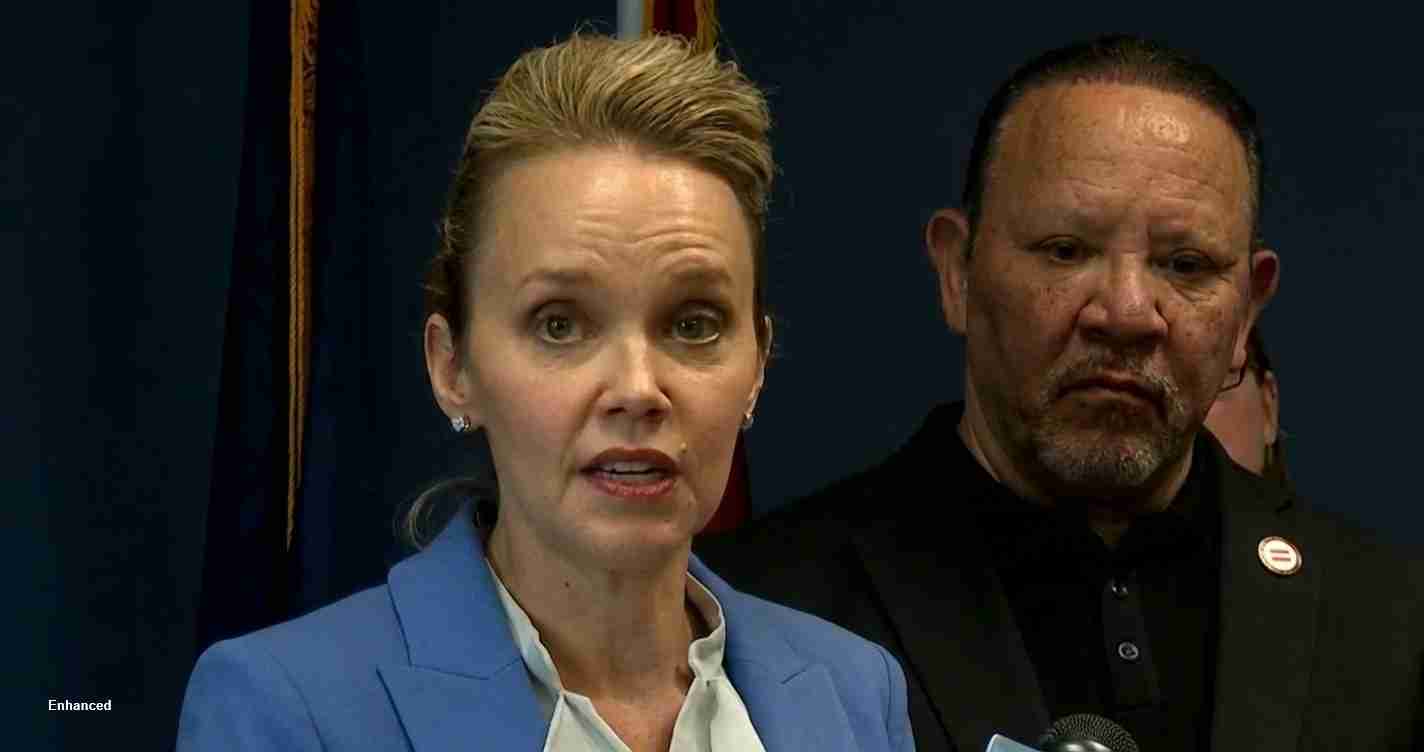
New Orleans leaders, including Mayor-elect Helena Moreno, criticize DHS enforcement operation they say is sweeping up lawful residents
New Orleans leaders, including Mayor‑elect Helena Moreno, sharply criticized a DHS enforcement operation they say is detaining lawful residents and workers, creating fear and disruption across the metro area amid limited federal transparency and incomplete arrest data.
Key takeaways
- Roughly 250 federal agents were reportedly deployed in an operation described locally as Operation Katahula Crunch — see the YouTube report.
- City leaders, including Mayor‑elect Helena Moreno, say sweeps detained U.S. citizens and people with work permits and were carried out with limited public information (YouTube report; AILA daily round-up).
- Federal officials say the focus is on people with criminal records or outstanding removal orders; DHS has not released full arrest totals (YouTube report).
- Community impact: legal-aid groups report spikes in calls, families report fear, and local businesses and day labor markets say operations disrupted work and livelihoods (AILA daily round-up).
Main content
What happened and where
Federal immigration teams fanned out across the New Orleans metro area this week, operating in teams at places where workers gather — store parking lots, job sites and day‑labor areas. Local reporting and circulating video say agents worked to identify and detain people suspected of being in the country illegally or subject to removal orders. Community outlets reported that about 250 federal agents were part of the action, described locally as Operation Katahula Crunch (YouTube report).
Video and witness accounts
Video footage and witness reports show scenes that shocked residents: workers being pulled from rooftops mid‑task, squads detaining a group of a dozen people at a single location, and personal property — vehicles, bicycles and tools — left behind as people were taken into custody. Those images have helped fuel public alarm and calls for answers (YouTube report).
“The raids were sudden and left co‑workers stunned,” community members told local reporters, describing scenes of abrupt detentions and hurried departures.
Local officials’ complaints and demands
Mayor‑elect Helena Moreno and other city leaders have publicly demanded transparency from federal agencies. They want clear answers about who is being targeted, how many people have been detained, and on what grounds. City officials say the absence of comprehensive arrest totals and breakdowns from DHS undermines the city’s ability to respond, offer legal aid, and protect civil rights (YouTube report; AILA daily round-up).
Local advocates report incidents where U.S. citizens and people with valid work permits were stopped or detained. Early legal‑aid accounts describe treatment that community leaders call inhumane, strengthening calls for immediate oversight and clearer processes (AILA daily round-up).
Federal explanation and limited details
Federal officials have framed the operation as a public‑safety effort aimed at removing individuals with criminal records or outstanding removal orders — describing a focus on the “worst of the worst.” However, DHS and ICE have not released complete arrest totals or comprehensive lists of detainees beyond limited press statements. Local reporters say ICE would not confirm totals beyond those named in restricted releases, fueling local frustration (YouTube report).
Community impact and fear
Civil‑rights groups and immigrant advocates report widespread fear: families keeping children home from school, workers avoiding job sites and public spaces, and legal‑aid hotlines seeing spikes in calls from people trying to locate detained relatives. These disruptions affect everyday life and community trust, according to advocacy groups and local news accounts (AILA daily round-up).
City leaders warn the tactics risk undermining trust between immigrant communities and law enforcement, potentially making it harder for residents to report crimes or cooperate with investigations. Small businesses and day‑labor markets say sudden detentions leave projects stalled and contracts jeopardized when workers leave tools and vehicles behind.
Broader national context
Officials say the New Orleans operation is part of a wider federal enforcement push announced for several Democratic‑led cities, with similar actions reported in Los Angeles, Chicago, Memphis, Charlotte and Minneapolis (the latter including a focus on Somali immigrants). National digests list New Orleans among focal points of the latest enforcement efforts and related litigation and policy disputes (YouTube report; AILA daily round-up).
State response and security overlap
Louisiana’s governor publicly welcomed the federal operation and indicated National Guard deployment could support efforts in the state, including New Orleans. Local leaders worry this blurs lines between public‑safety missions and immigration enforcement, potentially increasing fear among immigrant communities and complicating legal oversight.
Questions about targeting and accuracy
A central controversy is whether the operation accurately targets threats to public safety or is broadly sweeping up people who are lawfully present. New Orleans leaders stress the city is overwhelmingly U.S. citizens and warn that heavy‑handed tactics risk wrongful detentions. Advocates point to early reports of work‑permit holders and citizens being stopped as evidence of inadequate field screening, and they cite the lack of DHS arrest data as a core concern (YouTube report).
Legal and civic responses
Legal aid organizations are documenting reports and preparing representation for detainees and families. Civil‑rights groups are urging residents to know their rights and to keep contact information for legal help readily available. City officials are seeking briefings from federal partners and demand clearer rules about how enforcement will proceed without undermining core civil liberties (AILA daily round-up).
Implications for California
Economic impact: California’s large immigrant workforce could face disruptions if similar federal field sweeps occur — leading to labor shortages, project delays and lost productivity in sectors like construction, hospitality and agriculture (YouTube report).
Political consequences: Aggressive enforcement in Democratic‑led cities could heighten state‑federal tensions in California, prompting local leaders to push for transparency, legal protections and community outreach.
Social effects and cultural relevance: Fearful communities may withdraw from schools, clinics and public services, harming public health and safety. California leaders may bolster “know your rights” campaigns, rapid legal responses and programs to preserve trust between immigrant communities and municipal services (AILA daily round-up).
Practical applications: Officials, employers and community groups should prepare action plans: expand Know Your Rights materials, build rapid legal‑response networks, and create employer contingency policies to reduce disruption if workers are detained.
Reporting and transparency needs
City leaders request full, verifiable data from DHS — who was detained, where and on what grounds — to identify mistakes, offer legal help and protect civil rights. Without it, officials say, the operation risks harming lawful residents and eroding community cooperation with law enforcement (YouTube report).
Sources and further reading
- Video reporting and local coverage of the New Orleans operation (includes statements from local leaders and footage of sweeps).
- American Immigration Lawyers Association daily news roundup with reporting on the New Orleans enforcement actions and national context.