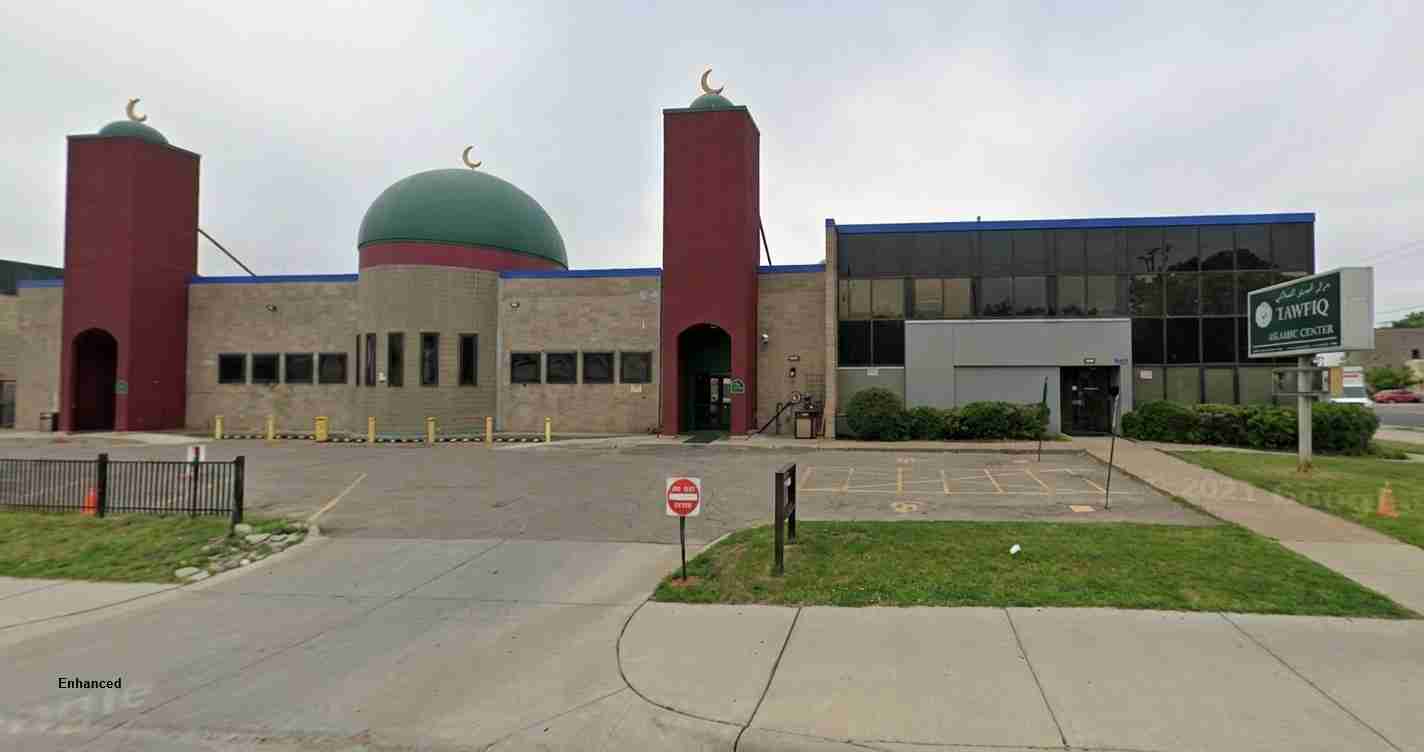
Inside Little Mogadishu Minneapolis: A Somali Community Faces Fraud Probes and Political Attacks
Minneapolis’s Cedar‑Riverside, dubbed “Little Mogadishu,” has been spotlighted after a Fox News Digital feature portraying the Somali neighborhood as culturally vibrant yet shadowed by fraud probes, immigration claims and political attacks amid residents’ efforts to belong.
Key takeaways
- National coverage: Fox News Digital coverage painted Cedar‑Riverside as culturally rich but “under a cloud,” linking local life to wider fraud and political controversies.
- Community context: Cedar‑Riverside houses about 8,000 residents and is a central hub for Minnesota’s Somali population, with dense businesses, mosques and community life (Star Tribune; Wikipedia).
- Stigma vs. reality: Several fraud prosecutions included some Somali or East African defendants, but community leaders stress most residents use benefits lawfully and fear broad stigmatization.
- Political fallout: Repeated, unproven allegations about figures like Rep. Ilhan Omar have fueled anti‑immigrant narratives while also spurring greater civic participation among Somali Minnesotans.
Main
What Fox News reported
The on‑the‑ground piece by Fox News Digital (also available as a Fox News video) juxtaposes scenes of Riverside Plaza towers, Somali businesses and mosques with images of boarded windows and street poverty to present a neighborhood of contrasts. The report framed Cedar‑Riverside as a focal point in debates over integration, benefits fraud and national political attacks.
“A mix of culture and strain” — the piece aims to show visible Somali Muslim life alongside controversies that, the outlet says, have cast suspicion on many residents.
Cedar‑Riverside: history and daily life
Separated by the Mississippi River and freeway corridors, Cedar‑Riverside has long housed immigrants, students and now serves as Minnesota’s Somali center. High‑rise housing at Riverside Plaza, a cluster of shops, mosques and community organizations, and everyday institutions — like the locally nicknamed “Somali Starbucks” — form the neighborhood’s social fabric (Star Tribune; Wikipedia).
Residents describe the area as a place of belonging where language, food and faith are part of everyday life. While Somali presence is strong, leaders note the neighborhood is shared by many groups and generations.
Fraud cases and the “cloud” over the community
Minnesota has seen notable fraud investigations involving childcare subsidies and pandemic food‑aid programs. Prosecutors have charged people in schemes such as suspected abuses of the state Child Care Assistance Program (CCAP) and the federal “Feeding Our Future” case. Some defendants were Somali or East African business owners; others came from varied backgrounds.
Community leaders condemn fraud when proven, but they warn that broad headlines can imply an entire community is responsible when prosecutions involve a smaller set of actors. The result, they say, is stigma and a feeling that lawful, contributing residents are unfairly defined by criminal cases (WHMI / Fox coverage).
Immigration fraud claims and political rhetoric
Beyond prosecutions, national rhetoric has targeted Somali immigration patterns. Former President Trump and some allies have accused segments of Minnesota’s Somali population of abusing family‑based immigration to bring non‑relatives into the U.S. Reporting has not documented a large, Somali‑only fraud network at the scale some statements imply.
Those accusations have tangible consequences: Somali Minnesotans report increased fear, more harassment and a sense of being singled out. At the same time, controversy has driven civic engagement — registering voters, running for office and mobilizing communities.
Ilhan Omar allegations: status and response
A persistent line of attack claims Rep. Ilhan Omar married her brother. Omar has repeatedly denied this, and journalistic fact‑checks have not produced conclusive proof that the marriage involved a sibling relationship. Many outlets label the charge as unproven or not substantiated, but repetition by high‑profile figures has kept the allegation politically potent (WHMI / Fox coverage).
Voices from Little Mogadishu
Interviews show a community negotiating daily life under scrutiny. Older residents recall refuge and belonging; younger people blend cultures — making music, attending college and opening businesses — while managing elder expectations. Residents acknowledge poverty and aging housing, but point to mutual aid networks, small business growth and electoral success as progress (Star Tribune).
Implications for California
Economic: National narratives linking Somali communities to welfare fraud can shift donor attention and grant priorities, potentially increasing oversight and administrative costs for programs like child care subsidies and school nutrition.
Political: In California, where immigration is central to many campaigns, Minnesotan stories can influence local debates. Calls for stronger fraud enforcement may rise among conservatives and moderates, while progressives will likely defend access.
Social & cultural: One‑dimensional coverage risks stigmatizing Somali communities across California in cities such as Sacramento, San Diego and the Bay Area. Balanced coverage that highlights resilience and entrepreneurship can counter that stigma.
Practical steps: Counties and cities can tighten audit controls without cutting services by investing in community‑based outreach, evidence‑based investigations and partnerships with Somali civic groups to build trust and protect lawful beneficiaries.
Sources
- Fox News Digital / WHMI: “Inside Little Mogadishu — Minnesota’s Somali community, its push to belong” (Fox News video).
- Star Tribune: “Go inside Little Mogadishu, the Somali capital of America”.
- Cedar‑Riverside (Wikipedia).
Reporting in Minneapolis for Times Media Service.