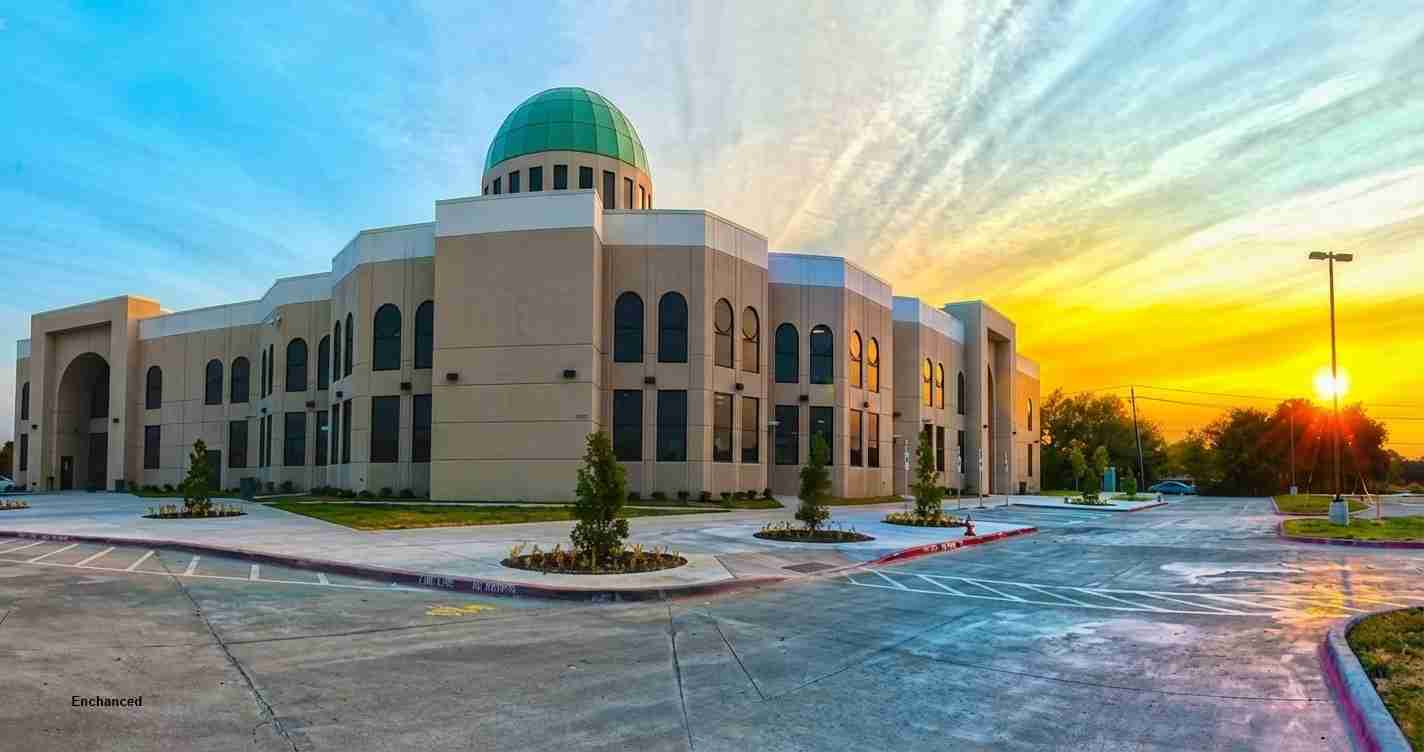
Paxton sues Plano mosque over EPIC City, alleging fraud and “Muslim‑only” marketing in high‑stakes development fight
Texas Attorney General Ken Paxton filed a civil enforcement action against the East Plano Islamic Center (EPIC) and Community Capital Partners, alleging securities fraud and unlawful, misleading “Muslim‑only” marketing for the EPIC City / The Meadow development.
Key takeaways
- Who sued: AG Ken Paxton filed a state civil enforcement action targeting EPIC, Community Capital Partners and individual leaders tied to EPIC City / The Meadow. Source: KERA
- Main claims: The complaint alleges securities fraud, deceptive trade practices and marketing that promoted the development as a Muslim‑only community, raising fair‑housing and discrimination concerns. Source: KERA
- Relief sought: Paxton asks for a temporary restraining order to halt fundraising and development, a permanent injunction, disgorgement, restitution and civil penalties. Source: KERA
Who is being sued
The lawsuit names the East Plano Islamic Center (EPIC), the mosque behind the proposal, and Community Capital Partners, the corporate entity that promoted EPIC City and The Meadow. Several individual leaders tied to the project are also listed as defendants. Reporting from Source: KERA provides the primary public account of the complaint.
Core allegations
Paxton’s office lays out several categories of alleged wrongdoing, summarized below.
- Securities fraud and registration violations: The state says EPIC and Community Capital offered investment interests tied to The Meadow without meeting Texas securities registration or exemption rules. The complaint alleges fraudulent solicitation practices and a failure to verify accredited‑investor status. Source: KERA
- Misrepresentations about location and scope: Promotional materials reportedly claimed the development would be in or near Josephine, Texas, while investigators say the parcels are in unincorporated areas between Collin and Hunt counties — a material difference affecting services, annexation and oversight. Source: KERA
- “Muslim‑only” marketing: The complaint highlights pitch decks and recruitment content described by officials as promoting EPIC City / The Meadow as a community designed only or primarily for Muslims. The AG frames such marketing as inconsistent with Texas fair‑housing and civil‑rights law. Source: KERA
- Broader deception of investors: The filing alleges exaggerated approvals, understated legal risk (including exclusionary marketing), and misrepresented timelines and feasibility — characterizing the scheme as an “unlawful land project” that endangered investor funds. Source: KERA
Paxton’s public framing and rhetoric
In announcing the suit, Paxton used emphatic language, calling those behind EPIC City the authors of a “radical plot to destroy hundreds of acres of beautiful Texas land and line their own pockets.” He vowed to use the full force of the law to stop the project and bar defendants from future fraudulent operations. That framing emphasizes intentional fraud over mere business failure and highlights both investor protection and land‑use concerns. Source: KERA
“A radical plot to destroy hundreds of acres of beautiful Texas land and line their own pockets,” — Texas AG Ken Paxton, on EPIC City.
Procedural status and remedies sought
The AG’s office began a formal probe in March, reviewed over 750 documents and sent a November letter to the Texas State Securities Board summarizing findings. The lawsuit filed Friday seeks immediate relief: a temporary restraining order to freeze fundraising and development steps, a permanent injunction, disgorgement, restitution to investors and civil penalties under Texas securities and consumer‑protection laws. Source: KERA
Legal theories likely in play
The complaint invokes multiple state statutes: Texas securities laws (registration and anti‑fraud provisions), the Deceptive Trade Practices–Consumer Protection Act, and state fair‑housing and civil‑rights statutes. The AG argues the offering involved unregistered securities marketed with misleading materials, and that religiously exclusionary marketing violates housing discrimination laws. Source: KERA
Context: EPIC City / The Meadow concept
EPIC City and a phase called The Meadow were marketed as a large master‑planned development on “hundreds of acres,” pitched to Muslim families and investors as culturally aligned housing near religious and community facilities. That religious‑oriented pitch is central to the AG’s contention that marketing crossed into unlawful exclusion. Source: KERA
Response from EPIC and Community Capital
As of latest reports, EPIC and Community Capital have not issued a comprehensive public rebuttal to every allegation in Paxton’s complaint. News accounts focus on the AG’s filing and statements; formal defenses or motions from the defendants are expected as the case proceeds. Anticipated defenses include disputing the “Muslim‑only” characterization, asserting investor disclosures were adequate, and raising procedural or jurisdictional arguments. Source: KERA
Broader significance
The lawsuit signals heightened scrutiny by state enforcement of faith‑affiliated or community‑based developments where investment schemes intersect with civil‑rights risks. By combining securities allegations with fair‑housing concerns, the case raises the question: where does religious community planning end and illegal religious exclusion begin? Civil‑rights and religious‑freedom observers are watching to see if enforcement is applied evenly across faith communities. Source: KERA
Implications for California
Though the case arises in Texas, it carries practical and political lessons for California investors, advisers and community leaders.
- Economic impact: Californians who invest out‑of‑state should vet securities registration, site claims and municipal approvals carefully; advisers may see higher demand for due diligence. Source: KERA
- Political consequences: The dispute highlights how state attorneys general use securities and consumer protections to police questionable developments—a tool California officials also deploy. Source: KERA
- Social effects: Developers in California should avoid exclusionary marketing based on religion, ethnicity or protected characteristics to prevent civil‑rights enforcement. Source: KERA
- Cultural relevance: Religious groups seeking culturally aligned housing projects must obtain legal guidance to respect both religious life and open‑housing obligations. Source: KERA
- Practical advice: Californians should verify land location, municipal approvals and securities registration before investing in out‑of‑state projects. Source: KERA
Legal timeline and next steps in Texas
Paxton has asked the court for immediate intervention to stop fundraising and development. Defendants will have opportunities to respond; a judge will decide whether to issue a temporary restraining order. If issued, discovery and motion practice would follow, and the case could result in settlement, injunctions, disgorgement, civil penalties or a contested trial. For updates and court documents, readers can follow local Texas coverage and statements from the AG’s office. Source: KERA