CNN’s Jake Tapper issues on-air correction after misidentifying DC pipe bomb suspect’s race in Brian Cole Jr. coverage
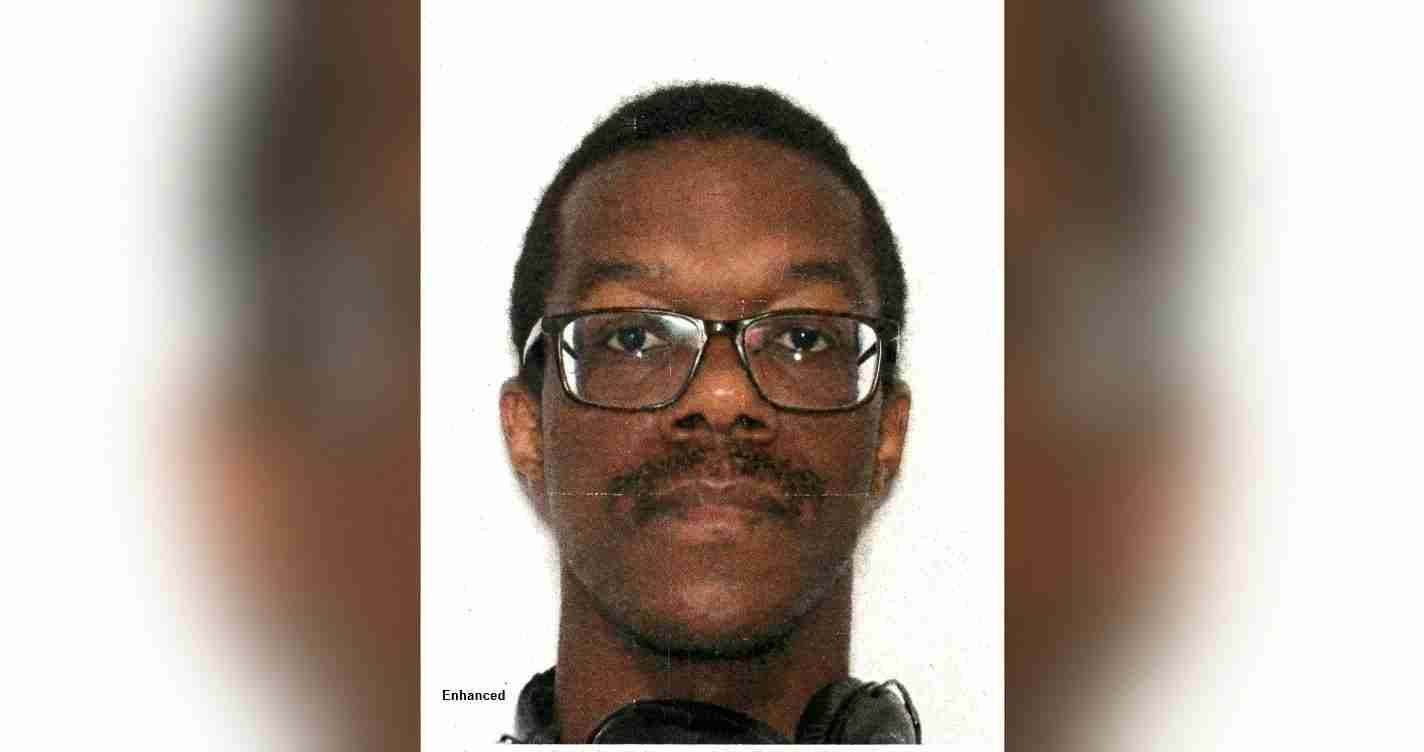
CNN anchor Jake Tapper issued an on‑air correction after misidentifying D.C. pipe bomb suspect Brian Cole Jr.’s race during live coverage, initially calling him white while images shown on screen clearly identified him as Black.
Key takeaways
- On-air misidentification: Tapper briefly described the suspect as “a 30‑year‑old white man” while a photograph on screen showed a Black man — prompting a correction and apology (Video).
- Coverage and reporting: Outlets noted the inconsistency and highlighted the importance of verification in live reporting (Video; Reporting).
- Suspect and charges: Authorities identified Brian Cole Jr., 30, a Black man from Woodbridge, Virginia, and charged him with explosives-related federal counts (Reporting).
What happened on air
During an edition of The Lead, Tapper introduced coverage of the arrest and described the suspect as a “white man” from the D.C. suburbs. Moments later, CNN displayed a photograph of Brian Cole Jr. that clearly showed a Black man. Tapper paused, corrected himself and apologized on air for the mistake. Clips of the on‑air error and correction have circulated online and were picked up by other outlets (Video; Video).
“The mismatch prompted Tapper to pause, correct himself and apologize to viewers for the mistake.”
About the suspect and the charges
Authorities identified the arrested suspect as Brian Cole Jr., 30. Reporting describes him as a Black man from Woodbridge, Virginia, about 5‑foot‑6, who wears corrective eyeglasses and works as a bail bondsman in northern Virginia. He faces federal charges including malicious destruction or attempted malicious destruction by means of fire and explosive materials, and transporting an explosive device in interstate commerce with intent to kill, injure or intimidate (Reporting).
Evidence cited by investigators
Prosecutors and investigators cited multiple items tying Cole to the case, according to reporting:
- Financial records showing purchases of pipes, end caps, timers and wiring (Reporting).
- Phone location data placing his phone near the committee buildings on Jan. 5, 2021 (Reporting).
- Vehicle movement data, including a license-plate-reader hit matching a Nissan Sentra linked to Cole near the scene (Reporting).
Investigators also reported Cole allegedly told FBI agents he believed the 2020 election was “stolen” from Donald Trump, which prosecutors view as a possible motive consistent with some Jan. 6-related narratives (Reporting).
Investigation timeline and officials’ statements
Federal officials said evidence tying Cole to the pipe bombs had been in FBI files since 2021–2022. At a press conference, U.S. Attorney General Pam Bondi and FBI Director Kash Patel emphasized the arrest was not the result of a new tip but rather evidence already in files. Bondi criticized the case as having “languished” under the prior administration, saying significant evidence sat in FBI files before the current leadership acted (Video; Reporting).
Tapper’s error and the CNN race correction
Live television demands rapid decisions, but mistakes about identity or race carry consequences. Tapper’s initial description as “white” contrasted with the image on screen and other reporting identifying Cole as Black. After the discrepancy, Tapper corrected the description and apologized — reigniting discussion about on-air verification and newsroom practices for handling race in criminal reporting (Video; Video).
Outside reaction and coverage
News organizations and social-media users highlighted the error. Outlets such as Black Enterprise covered the arrest and Tapper’s on-air mistake, while clips of the segment circulated across platforms. The rapid spread of video underscores how quickly a live misstatement can become a broader media story (Reporting; Video).
Implications for California
While the arrest itself has no direct, immediate economic impact in California, the renewed focus on Jan. 6‑era threats can influence sectors tied to federal stability. California firms that provide security or investigative services could see demand if audits or contracting increase (Reporting).
Politically, the debate over whether evidence sat unused for years may be cited by state Republicans and Democrats in discussions about law enforcement priorities and oversight. Statements by Attorney General Bondi criticizing prior handling of the evidence may be invoked in California political debates (Video; Reporting).
Socially and culturally, the episode highlights concerns about media accuracy, particularly in communities of color. Local newsrooms and civic groups in California might push for greater verification standards and training to prevent rushed reporting from shaping public opinion.
Practical applications for residents
Californians in media, law enforcement, and local government can use this case to review procedures: newsrooms should verify on‑screen labels before airing; officials should coordinate communications when federal cases involve local ties; and security businesses can reassess escalation protocols for suspicious activity (Reporting).
Reporting notes and sources
This article is based on available reporting and broadcast footage. Video of the on‑air segment and correction is available here: Video and Video. Background reporting on the arrest, charges, alleged evidence and officials’ statements was provided by Black Enterprise.
Additional coverage may update details as federal court filings and official statements are released. The identity, race and charges of Brian Cole Jr. reported here are drawn from the listed sources and reflected in the images shown during live coverage that prompted the on‑air correction (Video; Video; Reporting).