Michigan Education Official’s Response on Genders Sparks Viral Backlash as State Adopts New Sex-Ed Guidance
Dr. Sue Carnell, Michigan’s chief deputy superintendent, faced a viral backlash after declining to name how many genders exist during an October hearing — a moment tied to the State Board’s recent advisory sex-education guidance including gender identity.
Key takeaways
- Viral exchange: A short clip of Dr. Sue Carnell’s reply to a lawmaker’s question about how many genders exist drew millions of views and sharp conservative criticism.
- Context: The moment coincided with the Michigan State Board of Education’s approval of updated advisory health and sex education standards that include gender identity and sexual orientation.
- Response and oversight: Critics called for transparency and local control; the Michigan House Oversight Committee has issued a subpoena related to the standards’ development.
- California implications: The episode provides a playbook for similar debates elsewhere, with potential political, financial and social effects on school districts and families.
What happened at the hearing
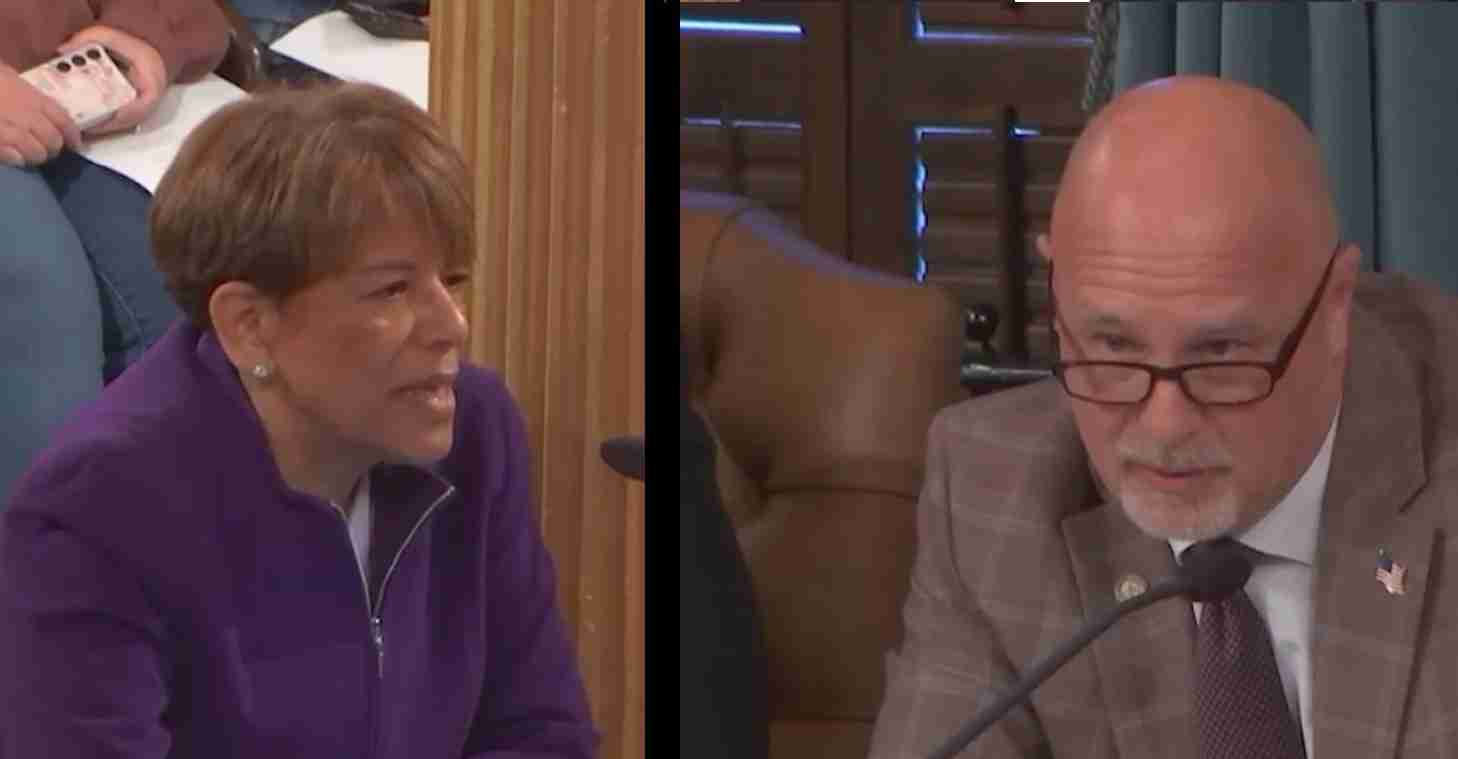
When: At a Michigan House Oversight Committee hearing on Oct. 28, 2025, Republican Rep. Jay DeBoyer asked Dr. Sue Carnell a direct question: “How many genders are there?”
Reply: Carnell declined to put a specific number on the record, stating that “different people have different beliefs on that,” and emphasizing the department’s focus on including students who may be vulnerable or marginalized rather than offering a numeric answer.
The brief exchange was captured on video and amplified across conservative social accounts, including LibsofTikTok, drawing millions of views and prompting criticism from commentators and some lawmakers who argued the response reflected a lack of clarity from education officials. For the full clip coverage, see reports that circulated the moment widely.
Policy background: Michigan sex education standards
The viral moment coincided with the Michigan State Board of Education’s contentious approval of updated advisory health and sex education standards. The guidance recommends teaching about gender identity, gender expression and sexual orientation, and sets expectations such as having students, by the end of eighth grade, “define gender identity, gender expression, and sexual orientation, and explain that they are distinct components of every individual’s identity.” Reporting on the standards and meeting coverage can be found in Bridge Michigan reporting on the updated standards and public reaction and other outlets.
Advisory, not mandatory: State officials and supporters stress the guidance is advisory and retains local control: school districts decide curriculum and parents retain opt-out rights for sex education lessons. The Michigan Department of Education framed the guidance as aligning instruction with updated civil rights protections that include gender identity; see more in the Detroit Free Press reporting on State Board approval.
Public comment and political reaction
The board meeting drew significant public input: more than 100 people attended, 1,338 survey responses were submitted to the department (924 opposed), and officials received 2,037 emails, of which 1,141 supported the new guidelines, according to Bridge Michigan.
Conservative critics seized on Carnell’s reply to argue that state officials are endorsing a “gender ideology” they say is inappropriate for schools. Public figures including Tudor Dixon and Roger Severino criticized the exchange, labeling it evidence of what they called an extreme educational agenda.
In response, lawmakers pursued oversight: the Michigan House Oversight Committee issued a subpoena seeking communications related to the standards’ development, citing concerns about transparency and parental rights. See the announcement by the House GOP for details at Michigan House GOP release on subpoena action and related reporting in Michigan Capitol Confidential on clashes between lawmakers and education officials.
About the viral clip: Dr. Sue Carnell viral video
The clip of Carnell’s exchange became the focal point of the controversy. Conservative accounts sharing the video framed the moment as proof that education leaders could not answer basic questions about sex and gender. That framing shifted attention from the advisory vote to questions about administrative competence and curricular intent. For how the clip was presented and discussed in national media, see Fox News coverage of the viral clip and fallout.
Education officials emphasized the clip was a brief part of a larger hearing and reiterated that guidance documents are recommendations, not district-level mandates. Supporters argue the advisory standards are meant to protect students and reduce bullying by clarifying civil-rights-aligned expectations.
Implications for California
Economic impact: California districts may closely monitor Michigan as debates over sex-ed content escalate. If similar controversies spawn litigation or new oversight, districts could face legal costs, additional administration, and spending on staff training and family communications.
Political consequences: The episode shows how a short video can reshape education politics. In California, conservative voters and moderate Republicans could use comparable moments to press for clearer parent-notification policies, opt-out rules and transparency — potentially prompting legislative proposals or renewed oversight battles in Sacramento.
Social effects: The debate highlights tensions between inclusivity efforts and parental control. School board meetings may become flashpoints, with advocates for LGBTQ+ student protections clashing with parents seeking stricter, age-specific limits on instruction about gender and sexuality.
Cultural relevance: California’s diverse political landscape means responses will vary: progressive districts are likely to emphasize protections and inclusive language, while conservative communities may prioritize local control and clearer opt-out mechanisms.
Practical applications for California parents and officials
- Review district health and sex education policies, including opt-out procedures and how gender identity is defined and taught.
- Prepare clear written explanations distinguishing advisory guidance from mandatory curriculum and outline parental rights.
- Consider public information sessions and staff training to proactively address community questions and reduce misinformation.
- Monitor legal and policy developments in other states as potential indicators of pressures that could arise locally.
Sources and further reading
- Fox News coverage of the viral clip and fallout
- Bridge Michigan reporting on the updated standards and public reaction
- WWMT coverage of standards changes and inclusivity topics
- Detroit Free Press reporting on State Board approval
- Chalkbeat Detroit on public comment and debate over the standards
- Michigan House GOP release on subpoena action
- Michigan Capitol Confidential on clashes between lawmakers and education officials
Reporting: From Lansing, Times Media Service.