The U.S. Mint’s Final Five Omega‑Marked Pennies to Be Auctioned; Each Could Fetch $2M–$5M
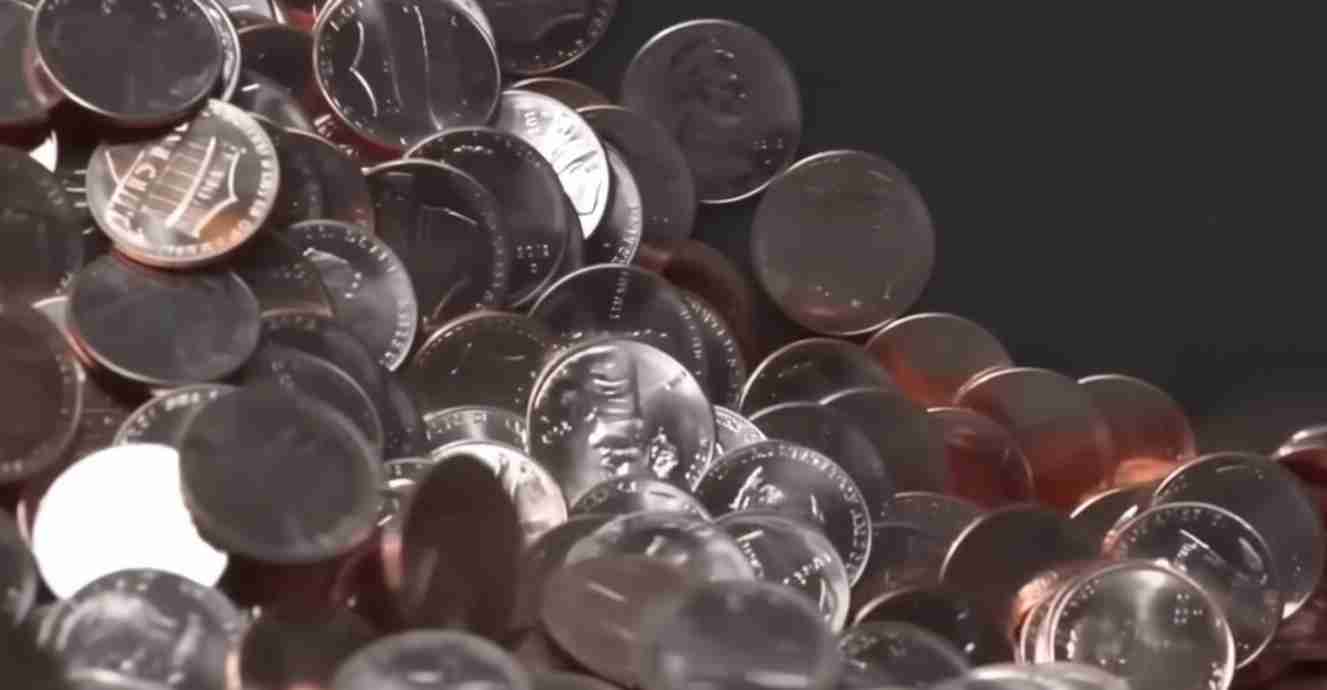
The U.S. Treasury struck the last five pennies on Nov. 12, 2025, each bearing a unique omega mark; the pieces are being retained for a government auction and experts estimate individual prices of $2 million–$5 million.
- Final minting: The last pennies were struck Nov. 12, 2025 (sources: Cincinnati Enquirer, Tennessean, Detroit Free Press).
- Omega mark: Each of the five coins bears an exclusive “omega” mark applied only to those final strikes (Cincinnati Enquirer, Tennessean).
- Auction plan: The coins will be withheld from circulation and offered in a future government-led auction; no date has been announced yet (Cincinnati Enquirer, Detroit Free Press).
What the omega mark means — and why it matters
The omega symbol immediately distinguishes these five cents from ordinary coins. The U.S. Mint applied the “omega” mark only to the final five pieces struck on Nov. 12, 2025, converting otherwise common small‑denomination cents into one‑of‑a‑kind artifacts tied to a clear historical moment: the end of penny production. Collectors prize both rarity and provenance, and the omega mark pairs an unmistakable production tag with the government’s official cessation of minting—heightening historical importance and demand (Cincinnati Enquirer, Tennessean).
Why the U.S. stopped making pennies
Policymakers concluded continued production was economically unjustifiable: the cost to manufacture a one‑cent coin had long exceeded its face value. Rising metal and production costs, together with declining cash use for small transactions, led Treasury officials to phase out the penny and end production with the Nov. 12, 2025 striking (Tennessean, Detroit Free Press).
How experts arrive at $2M–$5M estimates
Auction specialists and coin dealers told reporters that the multimillion‑dollar range reflects several factors: absolute rarity, the official nature of the mark, and the symbolic end of production. These drivers can attract wealthy private collectors, museums and institutions willing to pay premium sums.
“The combination of an unmistakable government-applied mark and the finality of minting makes these pieces uniquely desirable,” one specialist told reporters (Cincinnati Enquirer).
Those estimates are not guarantees. Final prices depend on auction timing, marketing, bidder appetite, and whether coins are sold individually or as a set; Treasury and Mint officials have not finalized format, security or proceeds allocation (Cincinnati Enquirer, Detroit Free Press).
Collector market reaction and secondary effects
News of the omega‑marked final strikes has already increased interest across the numismatic community. Dealers report higher searches for rare and older pennies, though none are expected to match the omega five in scarcity or headline value.
The announcement could create a ripple effect: Lincoln cents from particular years, mint errors, and historically important cents may see renewed attention. Numismatists caution that emotional buying can spike prices temporarily; auction outcomes will determine whether projections of $2M–$5M prove prescient or optimistic (Tennessean).
Government handling and transparency questions
Security and ownership: The Treasury says the omega pennies are government property and will not be released into circulation. That raises standard questions for high‑value government sales: when auctions will occur, how fair market access is assured, and how proceeds will be allocated. Initial reporting shows no firm timeline or procedural detail (Cincinnati Enquirer, Detroit Free Press).
Watch points for bidders and the public
- Authentication & provenance: Expect certification from the U.S. Mint or an accepted third‑party grader to confirm genuine omega‑marked final strikes (Cincinnati Enquirer).
- Auction format: Individual sales, block sales or sealed bids will materially affect final prices (Detroit Free Press).
- Legal & ethical transparency: Clear procedures and public disclosure of proceeds use will shape public perception and bidder confidence.
Rare Penny Auction mechanics and precedent
The federal government has previously auctioned rare or historic items with strong results. The omega pennies are distinct because they are mass‑produced objects made rare by an intentional, official mark and by an official end to production—combining collectible and historical value in a way that can push prices beyond either factor alone (Cincinnati Enquirer).
Implications for California
Economic impact: California collectors, dealers and auction houses may see increased business if high‑net‑worth buyers in Los Angeles, the Bay Area or San Diego compete for the pieces.
Political & public finance effects: Ending penny production could simplify small‑change handling for local governments and businesses. Any federal auction proceeds are unlikely to flow directly to the state, but transparency in proceeds usage could matter to taxpayers (Tennessean).
Social & cultural: Pennies carry cultural resonance—family mementos, school lessons and museum exhibits. California museums and historical societies may seek an omega coin for exhibitions on American currency and commerce (Detroit Free Press).
Legal and collector-network considerations
California’s active collector community—clubs, auction houses and online marketplaces—will be integral to the conversation. Local collectors may request strong public access to auction information or push for museums to be able to bid. Auction houses partnering with national firms could benefit from increased valuation and bid‑facilitation work.
Reporting and next steps
The Treasury and U.S. Mint have confirmed the five omega‑marked pennies exist and will be held for a future auction, but they have not released a timetable or procedural details. Watch for official announcements on auction date, format and proceeds allocation. For ongoing coverage and expert reaction see initial reporting in the Cincinnati Enquirer, the Tennessean and the Detroit Free Press.