Trump orders Pentagon to begin nuclear weapons testing, citing Russia and China buildup
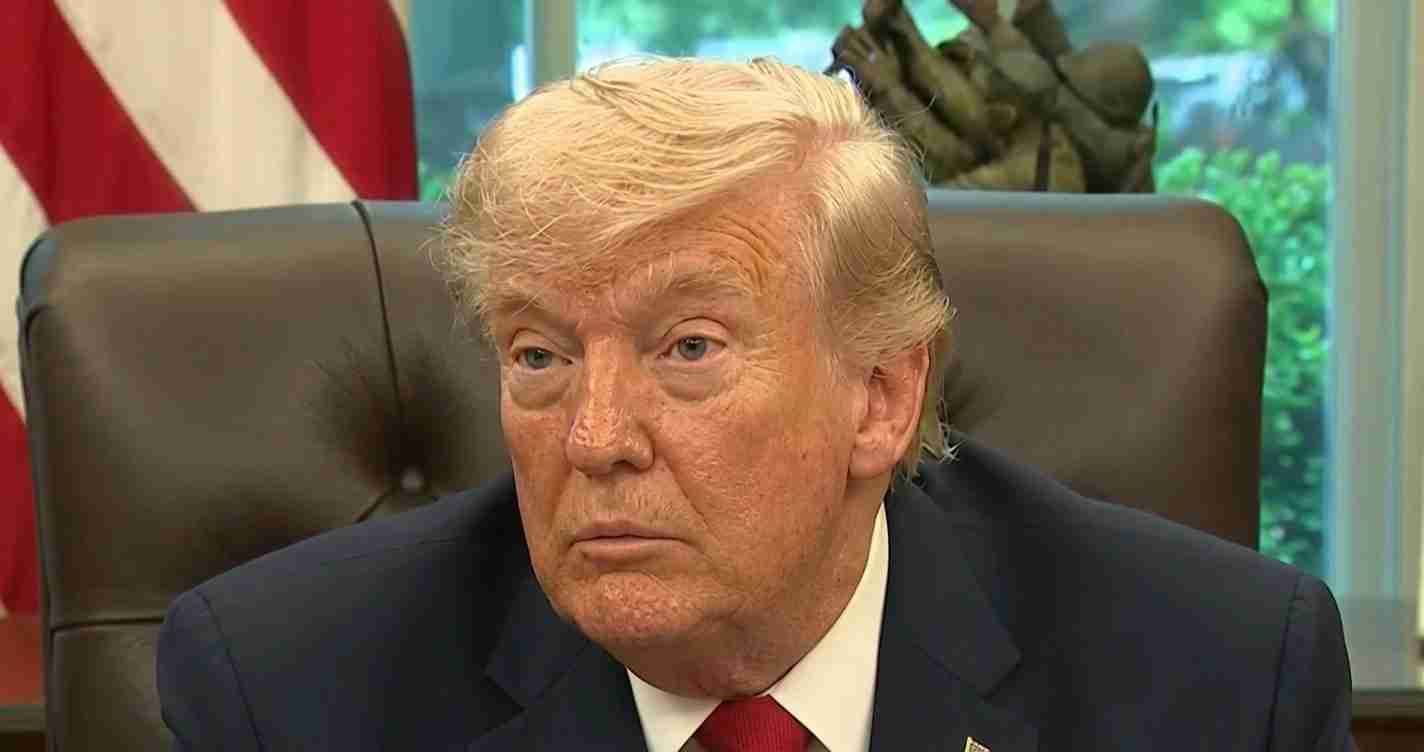
President Donald Trump ordered the Pentagon to begin nuclear weapons testing, citing Russian and Chinese advances; the move could end a decades-long moratorium and was announced ahead of a summit with Chinese leader Xi Jinping in South Korea.
- Policy shift signaled: Trump directed the Pentagon to begin nuclear testing “on an equal basis” with other nations, citing recent Russian missile activity and China’s nuclear buildup — see Trump orders Pentagon to match other nations’ nuclear testing.
- Timing: The announcement was posted on the former president’s social platform shortly before a summit with Xi Jinping in Gyeongju, South Korea — covered in Legion of Merit reporting.
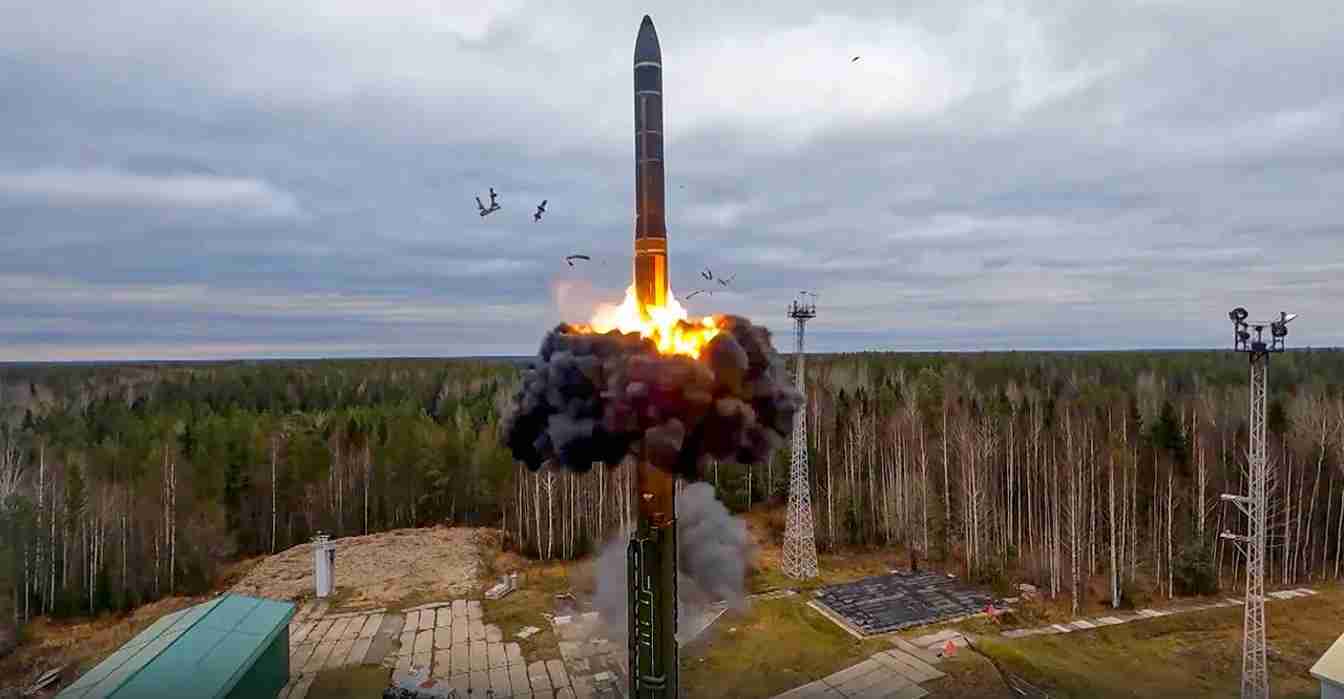
- Reference point: Trump cited Russia’s Oct. 21, 2025, test of the Burevestnik nuclear-powered cruise missile as justification — see the Burevestnik test report.
- Legal context: The U.S., Russia and China have observed a de facto moratorium; all three have signed but not ratified the Comprehensive Nuclear-Test-Ban Treaty (CTBT).
- Current status: There is no public record that the Defense Department has begun live detonations; the White House provided no immediate clarification amid a partial government shutdown — see Legion reporting.
What the order says and what it might mean
Trump’s statement instructs the Pentagon to match other nations’ testing “on an equal basis.” That phrasing is significant: while the statement itself does not document detonations, it could initiate programs, shift funding priorities, or reopen consideration of full-yield tests — all potential steps away from U.S. practice since the early 1990s. Experts note that orders like this can catalyze policy and budget changes.
Important distinction: The Burevestnik test Trump referenced involved a missile testing a nuclear-powered engine, not an explosive warhead detonation. That difference — propulsion versus explosive testing — matters for international norms, monitoring regimes, and legal interpretation, and will shape allies’ and rivals’ responses.
Historical background and arms-control context
The United States last conducted full-yield nuclear detonations in the early 1990s and has relied on subcritical tests and laboratory work since then to maintain arsenal safety and reliability. The Comprehensive Nuclear-Test-Ban Treaty (CTBT) established a powerful global norm against explosive testing despite not being ratified by all major powers.
Resuming explosive testing would carry broad diplomatic and military consequences. Observers warn such a move could erode arms-control frameworks, prompt reciprocal actions, accelerate modernization programs, and complicate nonproliferation efforts.
Immediate context: politics, timing and uncertainty
The announcement arrived just before the planned summit with Chinese leader Xi Jinping, suggesting political calculations might be involved — whether as leverage, signaling, or a substantive policy pivot. A partial government shutdown limited official follow-up, leaving open whether the order mandates planning only, funding requests, or operational steps toward explosive tests. See reporting in Legion of Merit coverage.
Reactions and likely international response
“A U.S. return to full-yield testing could weaken longstanding norms and prompt other nations to reciprocate,” analysts warn, potentially increasing regional tensions and complicating diplomacy.
Allies who prioritize deterrence may understand the rationale but worry about diplomatic costs. Arms-control advocates stress that resuming tests would undermine decades of nonproliferation work. Russia and China could interpret U.S. detonations as escalatory; even preparatory steps or intensified rhetoric could spur them to accelerate their programs, with ripple effects across global security.
Legal, environmental and technical questions
A return to full-yield testing raises legal and environmental issues. The CTBT remains central to the international norm even if not ratified by all. Renewed U.S. detonations could weaken the treaty’s political force. Environmental concerns include potential radioactive contamination and long-term harm near test sites. Technically, live tests require specialized facilities, strict safety protocols, and international monitoring considerations.
Implications for California
California would feel several direct and indirect effects if testing activity increases or related programs expand.
Economic impact
- Defense industry and jobs: California hosts major defense contractors, aerospace firms, and national labs that support the nuclear enterprise. Expanded testing, research, or procurement could mean more contracts and jobs in those sectors, benefiting local economies.
- Costs and federal spending: New testing programs would demand substantial federal funding; California could see both direct gains in defense-related employment and indirect effects if budget priorities shift from domestic programs to weapons testing efforts. See the Legion analysis.
Political consequences
- State leadership and elections: California leaders — generally favoring arms control and environmental protection — may face tension between national security arguments and state priorities, making this an electoral flashpoint.
- Federal-state relations: Expanded weapons work could increase federal presence, prompting debates over federal authority, state oversight, and environmental safeguards.
Social and community effects
- Public safety concerns: Communities near bases, contractor sites, or potential test-support locations may raise worries about environmental and health risks even if full-yield tests are not planned in-state.
- Civic debate: Universities, think tanks, veterans’ groups, and environmental organizations are likely to push for transparent, evidence-based assessments and public hearings.
Cultural relevance
California voters balance security and environmental stewardship. The order tests those priorities and will engage the state’s scientific community, which is likely to demand transparent risk assessments before any expansion of testing-related activities.
Practical daily-life effects
- No immediate change: There is no evidence of an imminent nuclear detonation or test in California; most residents will see no near-term disruption.
- Possible long-term impacts: If policy shifts lead to increased federal testing activity, Californians could see more federal contracts, monitoring, safety procedures, public meetings, or environmental reviews. Workers in aerospace, defense, and engineering fields may find new opportunities.
Sources
Times Media Service reporting is based on the Pentagon directive and related statements documented in the Legion of Merit analysis and reporting.