Pentagon Accepts $130M Donation Backed by Trump to Pay Troops, Raising Legal and Transparency Questions
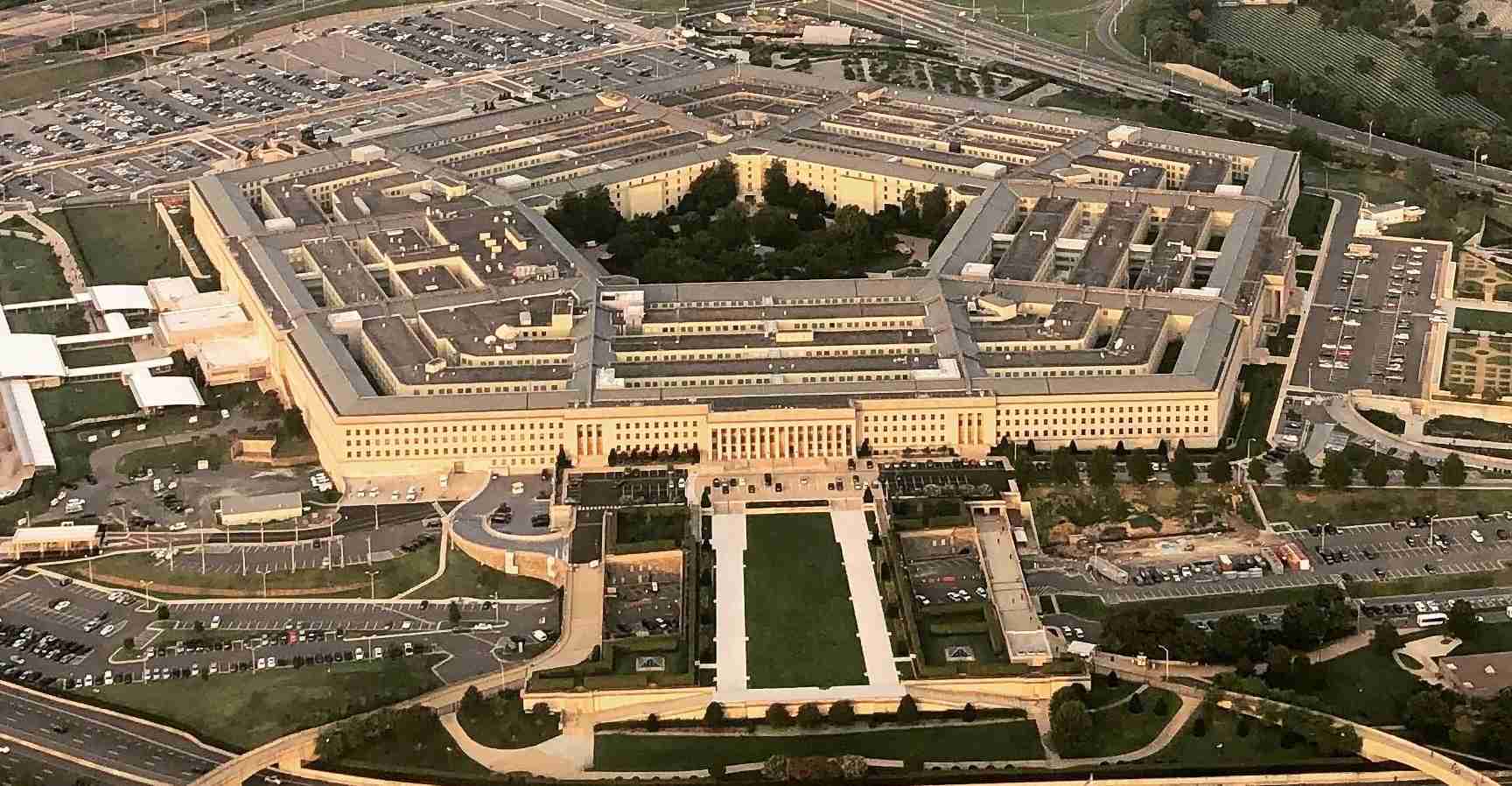
The Pentagon accepted a $130 million anonymous donation, backed by President Trump, to pay active-duty military salaries during the federal shutdown, prompting immediate legal, ethical and transparency questions about private funding of government payroll practices.
Key takeaways
- Gift accepted: The Pentagon accepted a $130 million gift to help cover active-duty pay during the shutdown.
- Legal uncertainty: Experts warn the use of private funds for payroll may clash with appropriations law and the Anti-Deficiency Act rules.
- Transparency concerns: The donor remains anonymous despite calls for disclosure and checks for conflicts of interest (Scripps News).
Announcement and what the Pentagon says
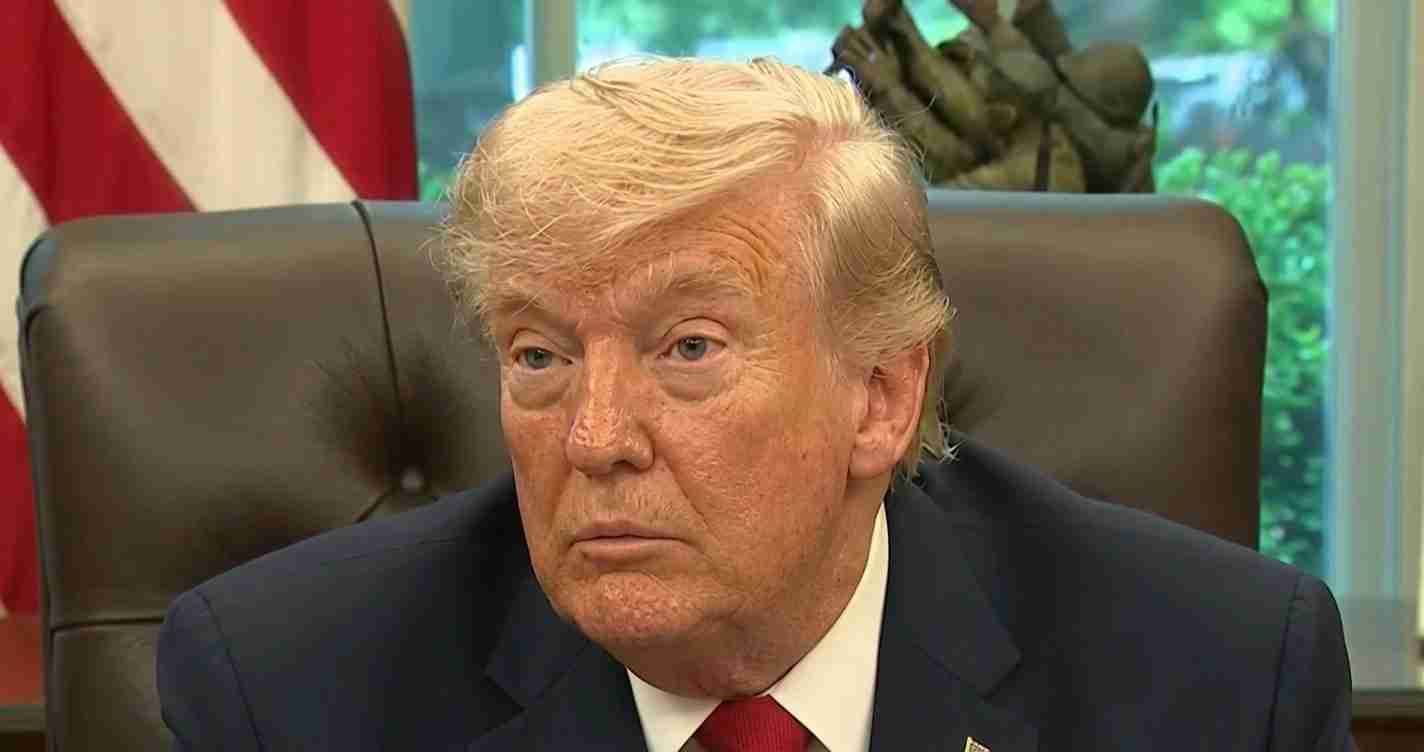
What happened: President Trump announced the donation at a White House event and praised the contribution as “patriotic.” He described the giver as “a friend” who wanted to help during the “Democrat shutdown.” The Pentagon later confirmed it accepted the funds and thanked the donor.
Trump called the gesture “patriotic,” and said the donor wanted to “contribute any shortfall you have because of the Democrat shutdown.”
Scale and limits of the gift
Although substantial, the $130 million covers only a small fraction of the Defense Department’s monthly payroll, which estimates place between $6.5 billion and $8 billion per month. The Pentagon already moved billions from research and development and other accounts for October pay; whether future pay periods are covered will depend on Congress, additional transfers, or more donations.
How the donation was accepted
Under existing Pentagon policy, the department may accept gifts that meet rules and pass an ethics review for donations over $10,000. The department says the $130 million was accepted under its general gift acceptance authority. However, gifts cannot be accepted if the donor has pending matters with the department — such as procurement or litigation — and must clear ethical review processes (Scripps News).
Legal questions: appropriations and the Anti-Deficiency Act
Legal and budget experts note unresolved questions about using private money for payroll. U.S. appropriations law delegates spending decisions to Congress, and the Anti-Deficiency Act prohibits agencies from spending funds they do not have and from accepting voluntary services that should be paid by the government.
Analysts including Romina Boccia argue that, absent congressional action or reclassification, private funds may not lawfully substitute for appropriations — leaving the legality uncertain unless Congress intervenes (Economic Times).
Transparency and influence concerns
The donor’s anonymity has alarmed lawmakers and watchdogs. Critics demand disclosure of the donor’s identity and any ties to defense contracting or political agendas, warning that private funding for government functions could create conflicts of interest or open the door to foreign influence (Economic Times).
Voices: Max Stier of the Partnership for Public Service called the situation “crazy,” likening it to covering a personal bill rather than fulfilling government obligations (Scripps News). Others express gratitude but urge full disclosure to preserve public trust (Military.com).
Who might be the donor?
Officials have not identified the donor. Social media and outlets have speculated about wealthy figures—such as Elon Musk and Jared Isaacman—based on capacity to give and recent high-profile gestures, but there is no official confirmation. President Trump denied being the donor and called the giver “a friend.” The Pentagon and White House have not released a name (Military.com).
Political context: blame, optics and the shutdown’s length
The federal shutdown began Oct. 1, 2025. The administration blames Democrats for the impasse and frames the donation as private support for troops (Scripps News). Democrats and other critics argue Congress should restore funding rather than rely on private charity (Military.com).
Reactions from watchdogs and experts
Watchdogs and budget analysts are pressing for transparency and legal clarity. They want the Pentagon to disclose whether the donor has business before the department and to explain the legal basis for applying the gift to payroll. Critics worry the move could set a precedent for private filling of gaps that Congress should address (Economic Times).
Rapidly evolving story
Officials and lawmakers say reviews are ongoing. Legal assessments and congressional oversight may follow; if the shutdown continues, the Pentagon may need more transfers or donations, and questions about the role of private funding will deepen (Military.com, Scripps News).
Implications for California
Economic impact: California hosts many active-duty service members and defense contractors. Short-term relief from timely paychecks can help families, but $130 million is insufficient for long-term payroll needs; extended shutdowns could delay contracting work and affect local jobs (Scripps News).
Political consequences: The donation spotlights executive action and private charity instead of congressional funding. California officials and the state’s delegation may face pressure to demand transparency and clarify rules governing private funding of government salaries (Military.com).
Social effects: Immediate help can ease hardships for military families, but continued uncertainty may hurt morale, recruitment and increase demand on local support groups (Scripps News).
Reporting notes and sources
This report draws on official Pentagon statements and contemporaneous reporting. Key sources: Military.com, Scripps News, Economic Times, and AOL. The situation is developing; legal reviews and congressional oversight may provide new information.