Middletown Starbucks employee fired after customer finds “racist’s fav drink” scrawled on Charlie Kirk order
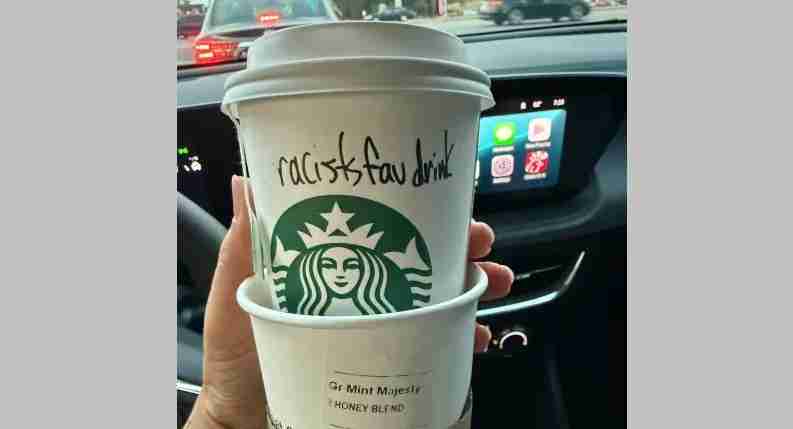
A Starbucks employee at a Kroger kiosk in Middletown, Ohio, was fired after a customer discovered “racist’s fav drink” written on a cup for Charlie Kirk’s signature order, prompting statements from Kroger and Starbucks and debate about civility.
Key takeaways
- Customer: Autumn Perkins ordered Charlie Kirk’s reported go‑to — a Mint Majesty tea with two honeys — and found the message on her cup.
- Action taken: The employee admitted writing the message and was immediately terminated by the Kroger-operated kiosk.
- Corporate response: Kroger condemned the behavior; Starbucks noted such targeted messages violate company policy and reiterated the location is a licensed Kroger kiosk.
- Wider context: The episode sparked regional and national coverage, raising questions about political expression and professionalism in retail settings.
Main content
What happened, in detail
According to local reporting, Autumn Perkins placed an order at the Starbucks counter inside the Kroger on Middletown’s shopping strip for what news outlets identified as Charlie Kirk’s signature drink — reported as a Mint Majesty tea with two honeys. When Perkins picked up her drink she noticed the handwritten phrase “racist’s fav drink” on the cup. Disturbed, she brought the cup to the manager on duty and reported the message.
Store management confronted the worker, who reportedly admitted to writing the phrase. Kroger’s store management moved quickly and terminated the employee. Kroger released a statement saying the behavior runs counter to the company’s values; Starbucks also stated that writing derogatory, targeted messages on cups is unacceptable and reminded the public this location is a licensed store operated by Kroger.
Why the story drew attention
The phrase on the cup connected a routine retail interaction to a national political commentator, converting a single customer complaint into a broader conversation about civility in public life. Coverage by local and national outlets elevated the incident beyond Middletown and prompted public discussion about employee conduct when politics intersect with service.
Company policies and licensed stores
Both Kroger and Starbucks pointed to policies that prohibit targeting customers with negative or hateful messages. Starbucks emphasized that the location is a licensed store inside Kroger, which affects hiring and firing responsibilities; in this case, Kroger confirmed it handled the termination. Both companies said swift action was taken once management was informed.
Community response and broader context
Perkins told reporters the message left her disappointed and urged respectful dialogue across political differences. She said,
“We can disagree on a lot of things, but we respect each other. We can’t communicate and grow if we’re disrespecting each other.”
The story has been picked up by regional outlets and national news sites, illustrating how politically charged moments can arise in routine settings like grocery store coffee lines and fueling conversations about workplace expectations and public civility.
No reports of criminal charges or further discipline
As of the latest coverage, there are no reports that the incident led to a criminal investigation or additional disciplinary steps beyond the employee’s termination. The fired worker has not issued a public statement.
Why this matters for businesses and customers
Incidents like this show how small acts can escalate into public controversies. For businesses operating licensed counters inside larger stores, clear policies and staff training are crucial. Customers expect respect and neutrality from retail staff; companies risk reputational harm when workers breach those expectations.
Implications for California
Economic impact
California’s large network of Starbucks locations and grocery-based coffee kiosks means that localized incidents which gain national attention can prompt boycotts or shifts in customer behavior. While one firing won’t move statewide sales, repeated incidents could affect brand trust and store traffic.
Political consequences
In politically mixed communities, stories like this can inflame partisan debate. Some Californians may view the firing as evidence of intolerance toward conservative views; others will see it as appropriate enforcement of workplace conduct standards. Local leaders may face pressure if similar incidents recur.
Social effects
For communities already feeling politically divided, episodes that turn routine interactions into public disputes can erode trust between neighbors and service workers. Business associations and local leaders may need to promote norms for respectful public behavior.
Cultural relevance
The case highlights tension between personal expression and professional duty. Many will view the firing as necessary to protect customers; others may worry about suppression of personal beliefs. Companies must balance employee rights with customer protections.
Practical applications for Californians
For customers: Report offensive behavior calmly to store managers and document interactions when safe. For employers: Reinforce policies prohibiting targeted messages, provide training on handling politically sensitive orders, and clarify responsibilities between licensed partners and corporate operators.
Sources and further reading
(Reporting compiled from the above sources; Times Media Service)