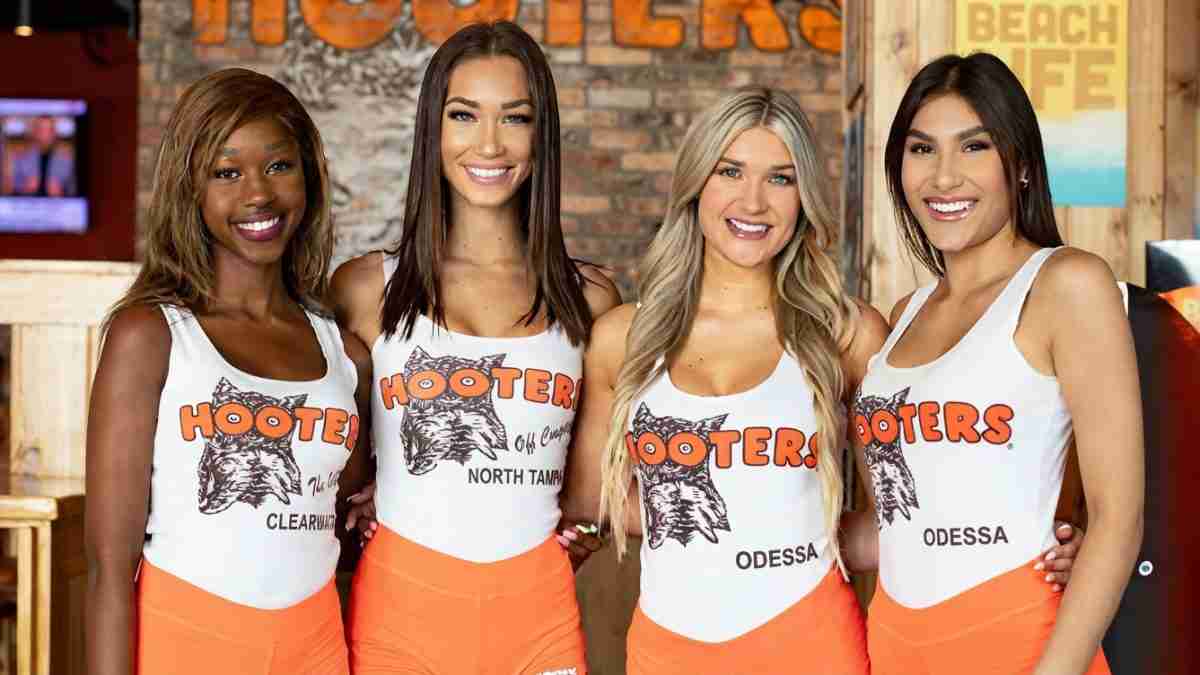
ATLANTA, July 17 (Our Florida Times) — Hooters is trying to reset how diners see the chain.
After a 2025 Chapter 11 bankruptcy filing, the company began describing its turnaround as a return to its original idea: a beach-themed restaurant with food, service and a relaxed setting. Chapter 11 is a type of bankruptcy protection that gives a business time to reorganize.
CEO Neil Kiefer told PEOPLE and Fox News Digital that families have always been part of that model. In those interviews, he said Hooters wants to move away from stores he described as oversexualized or “renegade” and put more emphasis on food, hospitality and community involvement. Company representative Michela DellaMonica told USA TODAY that the shift is a “return to our roots,” not a major rebrand, and said family-oriented promotions are planned.
What does Hooters say is changing?
The company’s message is about image as much as menus. Kiefer has said the chain wants to restore what he calls the brand’s original concept: a place where people can eat, relax and spend time together. He has also said the company is trying to create more consistent standards across its remaining restaurants.
At the same time, Hooters says some familiar parts of the brand will stay in place, including the swimsuit calendar and the Miss Hooters International Pageant.
What do South Florida workers say?
In South Florida, employees say the company’s family-friendly message is not new.
At Hooters locations in Fort Lauderdale, waitress Gracie Williams told Fox News Digital, “Here in South Florida, nothing is changing for us.” Williams, who said she has worked for Hooters for nearly six years and is the July cover model for the chain’s calendar, said, “We are the same Hooters girls that we have been from the start.”
Micayla Williams, another employee quoted in the same report, said the restaurants have long served “families. We get elderly people. We get teenagers, even kids.” The workers said that pattern is especially common during the day and at beach-area locations.
Why does South Florida matter?
South Florida is the clearest example of how Hooters wants this comeback story to land in the dining world. The company is trying to tell diners that families belong there, while employees in the region say that has always been true.
Kiefer has said Florida stores and some Chicago locations under original ownership were doing better in sales, suggesting the company sees those restaurants as proof that the old Hooters model can still work.
For customers, the bigger question is simple: Is Hooters becoming a different restaurant, or just talking about itself in a different way? Based on the company’s own statements, the answer appears to be a mix of both. The food and branding remain familiar, but leadership is trying to widen the customer base and make the chain feel more like a neighborhood stop than a nightlife spot.