Viral body‑cam shows Lake Worth Beach deputy cite woman for phone in “right hand” she doesn’t have; $116 ticket later dismissed
On Feb. 11 in Lake Worth Beach, a Palm Beach County deputy cited Kathleen “Katie” Thomas, 36, for allegedly holding a phone in her missing right hand; body‑cam footage went viral and the $116 citation was later dismissed.
- Officer issued a $116 citation for “Wireless Comm. Device/Handheld While Driving — First Offense,” later dismissed for lack of evidence and labeling issues.
- Body‑cam video captured Thomas demonstrating she lacked a right hand; the footage drew millions of views and widespread criticism.
- PBSO reviewed statutes (316.305 vs. 316.306) and cited unclear citation‑software labeling when dismissing the charge.
- Broader implications include training, software controls, and disability sensitivity in traffic enforcement — relevant beyond Florida, including California.
Body‑camera footage: the awkward exchange
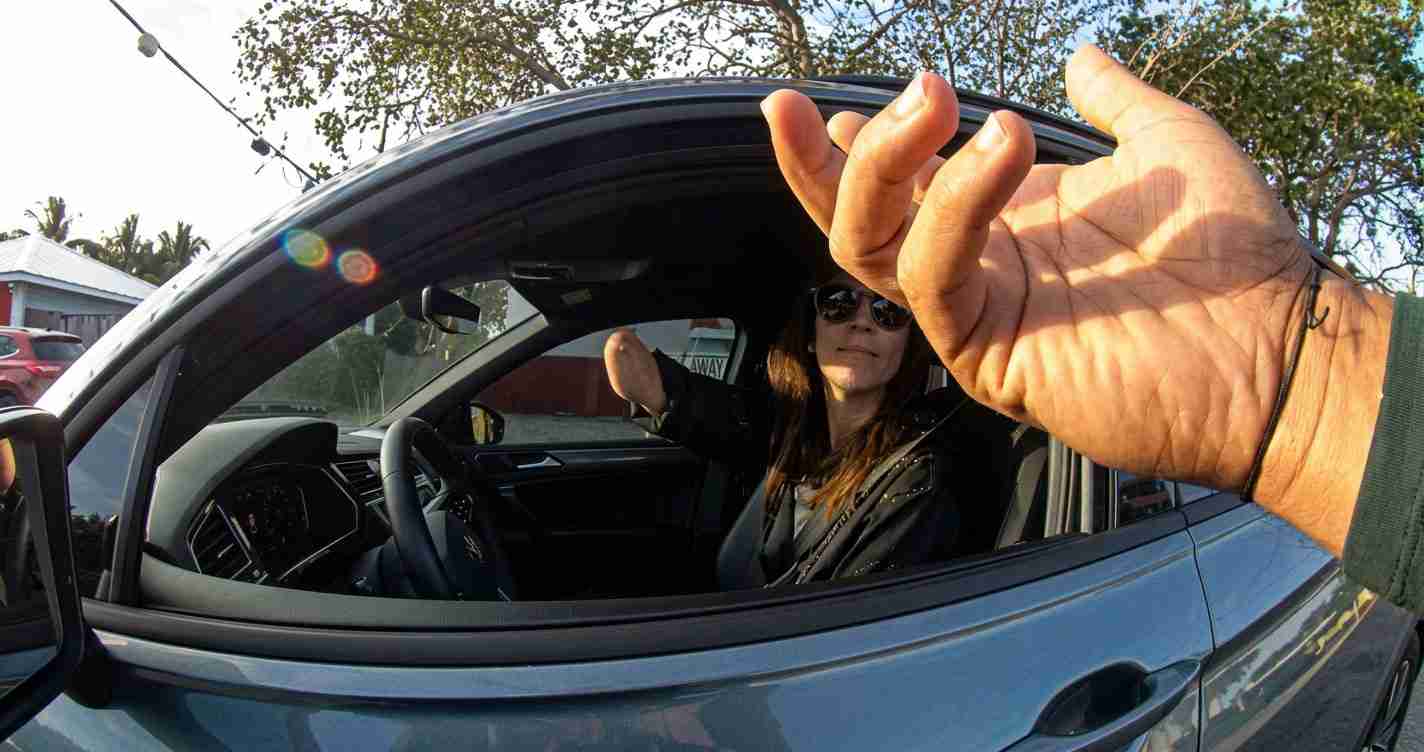
Body‑cam video of the stop — obtained and published by local media and later shared on social platforms — captures the moment the traffic stop turned viral. The deputy told Thomas he saw her “holding the phone with your right hand, manipulating that phone.” Thomas immediately raised her right arm, which ends at the forearm, and replied, “So obviously not.” The clip is available via Police1 (story and PBSO comments) and the body‑camera video.
Deputy: “I thought I saw you with your right hand. You had a hand up…With the right hand, perhaps not.”
Deputy: “Hand to God, you did not have your phone in your hand?”
Thomas: “Hand to God.”
The deputy then prompted, “The other hand to God,” and Thomas raised her left arm to demonstrate. Despite the on‑camera demonstration, the deputy issued the citation before the interaction concluded. Some coverage identifies the officer as Deputy Gazal, though the Palm Beach County Sheriff’s Office (PBSO) did not name him in its public statement.
Why the ticket was dismissed
Court records and PBSO statements show the citation was dismissed before a scheduled hearing. The deputy who issued the ticket requested dismissal, and the court dropped the case citing lack of evidence and issues with how the violation was labeled in citation software.
PBSO spokeswoman Teri Barbera said the deputy initiated the stop based on “visual observation at the time of the incident.” After review of Florida statutes and the totality of the circumstances, and because the agency found “lack of clarity on how violations are labeled in our citation software,” the department decided to dismiss the citation. Read the local report at CBS12 report (court records and local coverage).
Legal context: Florida distracted driving law
Reporting by local outlets and traffic attorneys notes that while texting while driving is a primary offense under Florida Statute 316.305, merely holding a phone is not universally illegal except in specified places. Section 316.306 imposes stricter prohibitions in school zones, school crossings, and active work zones, where holding a phone is more clearly prohibited. The citation in Thomas’s case did not check the school‑zone or work‑zone boxes — a procedural detail attorneys say matters for charging and defense strategies.
Public reaction and virality
Thomas recorded and shared parts of the stop on TikTok and Instagram; local outlets later posted the full body‑cam footage. The clips amassed millions of views and widespread commentary. Many social‑media users criticized the deputy’s decision to continue the stop and issue a ticket after Thomas showed she did not have a right hand.
Themes in public commentary included concerns about police perception during enforcement, sensitivity and training when officers encounter motorists with disabilities, and the role social platforms play in amplifying individual encounters into broader debates about fairness and competence in policing.
Officer identification and reporting notes
Some coverage and posted clips identify the deputy as Deputy Gazal; however, PBSO’s public statement did not name the officer. Local news outlets that posted the body‑cam footage relied on court records and the Sheriff’s Office statement for case status. The primary local writeup is available at Police1 (story and PBSO comments).
Implications for California
Economic impact: Local governments in California spend significant resources on traffic enforcement and court processing. High‑profile incidents that spotlight citation errors can prompt reviews of citation software, training budgets, and recordkeeping to avoid costly dismissals or public backlash.
Political consequences: For moderate conservative readers in California, the episode underscores two points: law enforcement needs strong public trust, and officers need clear rules and good training to enforce laws fairly. Elected sheriffs and city councils may face pressure to ensure deputies have up‑to‑date training on disability awareness and statutory application.
Social and cultural effects: The stop highlights how disability can complicate routine police‑citizen interactions and how social media can turn a single encounter into a broader conversation about smart policing and respect for individual rights.
Practical applications: California’s hands‑free law differs from Florida’s statutory framework, but lessons are transferable: review citation language mapping in software, train deputies to document observations clearly, and emphasize de‑escalation and respectful verification when a motorist disputes an allegation. For drivers, body‑cams and personal recordings can be critical evidence, and contested tickets can be challenged in court.
Reporting and records
This article is based on local reporting, body‑camera footage posted by media and social platforms, and the PBSO statement about the dismissal. Primary coverage and footage:
- Police1 (story and PBSO comments)
- CBS12 report (court records and local coverage)
- body‑camera video — clip 1
- body‑camera video — clip 2
Ongoing questions
The episode raises several items readers and newsroom editors may follow up on:
- Will PBSO change training or citation‑software labeling in response?
- Is there an internal review of the deputy’s actions or any disciplinary outcome?
- Will Kathleen “Katie” Thomas seek further remedies or make additional public comments?
- How will this incident inform enforcement and public expectations around body‑worn video and citation accuracy?
Note: All facts, quotes and referenced materials in this article reflect local reporting, court records, body‑camera footage and PBSO statements cited above.