Yosemite marks return of California red‑legged frog with 10,000th release
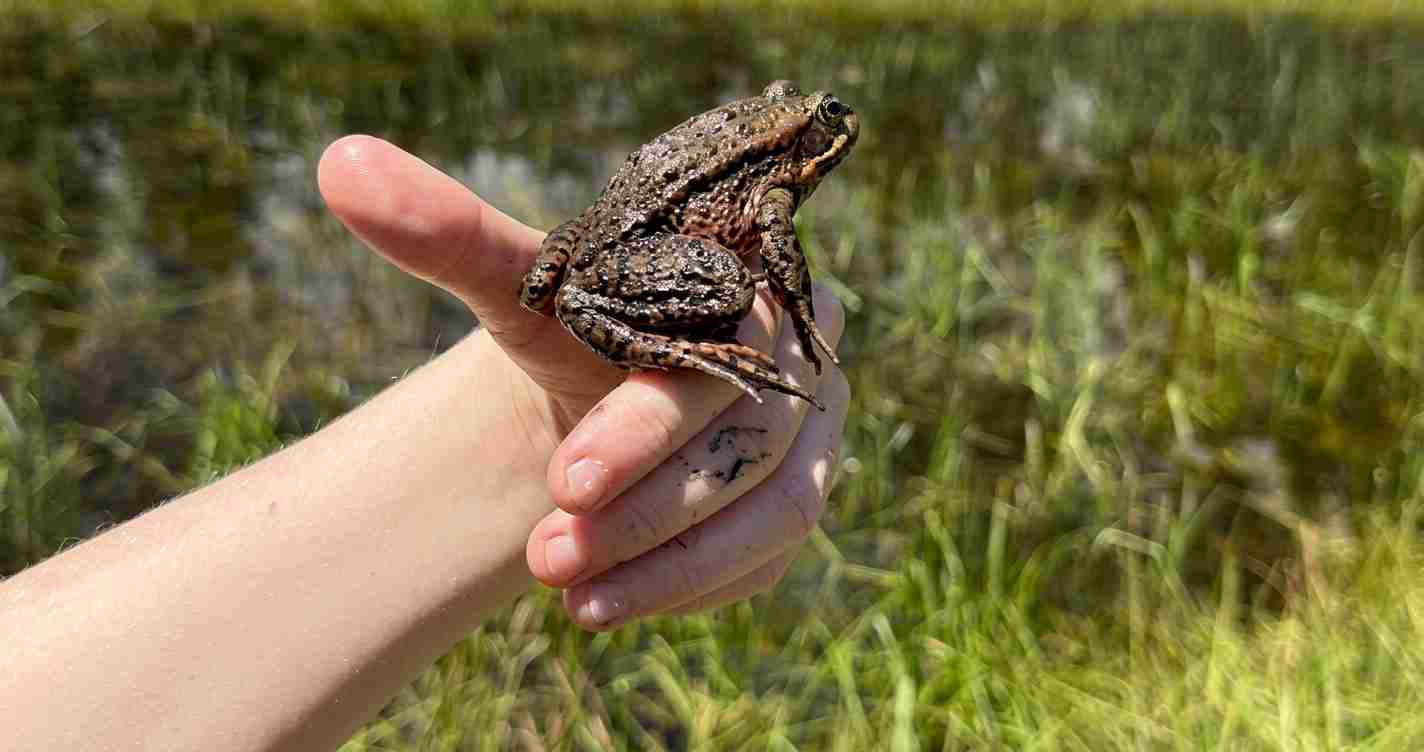
Yosemite National Park announced the successful reestablishment of the California red‑legged frog after a decade of restoration with multi‑agency partners, marked by the symbolic release of the program’s 10,000th frog — nicknamed Twain — near Yosemite Falls.
Key takeaways
- Milestone: The program reached its 10,000th released California red‑legged frog, celebrated at a May 7 ceremony near Yosemite Falls.
- Three-part strategy: invasive bullfrog removal, Merced River habitat restoration, and a head‑start rearing program in San Francisco.
- Partnership and scale: Led by the National Park Service with federal, state and zoo partners; over 10,000 frogs released and ~830 juveniles planned for 2026.
Return after decades of absence
The California red‑legged frog (Rana draytonii), California’s state amphibian and a federally threatened species, had been absent from Yosemite Valley for decades after invasive American bullfrogs were introduced roughly 50 years ago. Bullfrogs prey on and outcompete native frogs, driving declines in amphibian populations (NPS; CDFW).
“After invasive bullfrogs eliminated red‑legged frogs from the area decades ago, we removed those threats and created conditions for recovery,” said Rob Grasso, aquatic ecologist at Yosemite National Park. “Today, multiple generations of frogs are established in Yosemite Valley.”
How the recovery worked: removal, habitat, and head‑starting
The recovery relied on an integrated approach with three linked elements that together improved survival and enabled breeding in the valley:
- Bullfrog removal: Park teams conducted years of targeted eradication of invasive American bullfrogs in ponds and riparian zones, reducing predation pressure on red‑legged frogs (NPS; CDFW).
- Habitat restoration: Major restoration under the Merced River Plan rebuilt wetlands and streambanks and restored natural flows—work supported in part by grants administered by the California Department of Fish and Wildlife using voter‑approved funds. Laura Patterson noted grants from the Department facilitated essential habitat work (CDFW).
- Head‑start rearing: A dedicated facility opened in San Francisco in 2016 through a partnership between NPS and the San Francisco Zoological Society to raise wild‑collected eggs to one‑ and two‑year juvenile frogs in controlled conditions before release, boosting early survival (SF Zoo; NPS).
“When the program began, there were no California red‑legged frogs remaining in Yosemite Valley. Our rearing program, combined with field work and habitat restoration, made this comeback possible,” said Dr. Rochelle Stiles of the San Francisco Zoo & Gardens.
A decade of collaboration and community involvement
The program is a long‑term partnership led by the National Park Service with the U.S. Fish and Wildlife Service, the California Department of Fish and Wildlife, Yosemite Conservancy and the San Francisco Zoo & Gardens. Yosemite Conservancy donated funds; CDFW managed state grant dollars; USFWS provided federal coordination (NPS; USFWS; CDFW).
Community outreach included school‑based release events that connected students to science and stewardship. Local media coverage and video documented the public release ceremony and the milestone.
Measuring success and facing future tests
Biologists emphasize that true recovery is demonstrated by self‑sustaining, multi‑generation breeding. Park ecologists now report multiple generations in Yosemite Valley, indicating establishment beyond mere releases. Program managers track survival rates and adapt release sites to the most suitable restored habitats (NPS; CDFW).
Ongoing threats include variable California climate (drought, storms, flooding), disease risks affecting amphibians globally, and the risk of invasive species re‑establishment if monitoring lapses. Continued vigilance and adaptive management remain essential.
Documented numbers and near‑term plans
Program records show more than 10,000 frogs released since the reintroduction began about a decade ago. The San Francisco Zoo planned to release roughly 830 juveniles in 2026 and to rear about 600 eggs for future releases, helping sustain the pipeline. The milestone frog released May 7, nicknamed Twain, served as a symbolic reminder of the program’s scale (CDFW; SF Zoo).
Reporting and source materials
Key materials and releases are available from agency pages and local coverage:
- California Department of Fish and Wildlife
- National Park Service
- ABC30
- San Francisco Zoo
- event video
Implications for California
Economic impacts include enhanced scenic and recreational values in Yosemite that support tourism and local businesses. Habitat restoration tied to the Merced River Plan also improves flood resilience and water quality—benefiting agriculture and downstream communities.
Politically, the recovery highlights effective use of voter‑approved funding administered by CDFW and demonstrates how state‑federal partnerships can yield measurable conservation outcomes. Socially and culturally, returning the state amphibian to Yosemite Valley strengthens community identity and stewardship.
Ongoing oversight and next steps
Park officials and partners will continue monitoring survival, reproduction and habitat condition, and will adapt management for emerging threats such as disease and changing hydrology. Agencies plan continued coordination on funding, outreach and science to keep the species on a stable recovery path (NPS; CDFW; SF Zoo).
“Our partners have been essential to the recovery of the California red‑legged frog,” said Kim Turner, acting field supervisor for the Sacramento Fish and Wildlife Office. “We appreciate the progress made over the past decade and remain committed to this collaborative effort.”