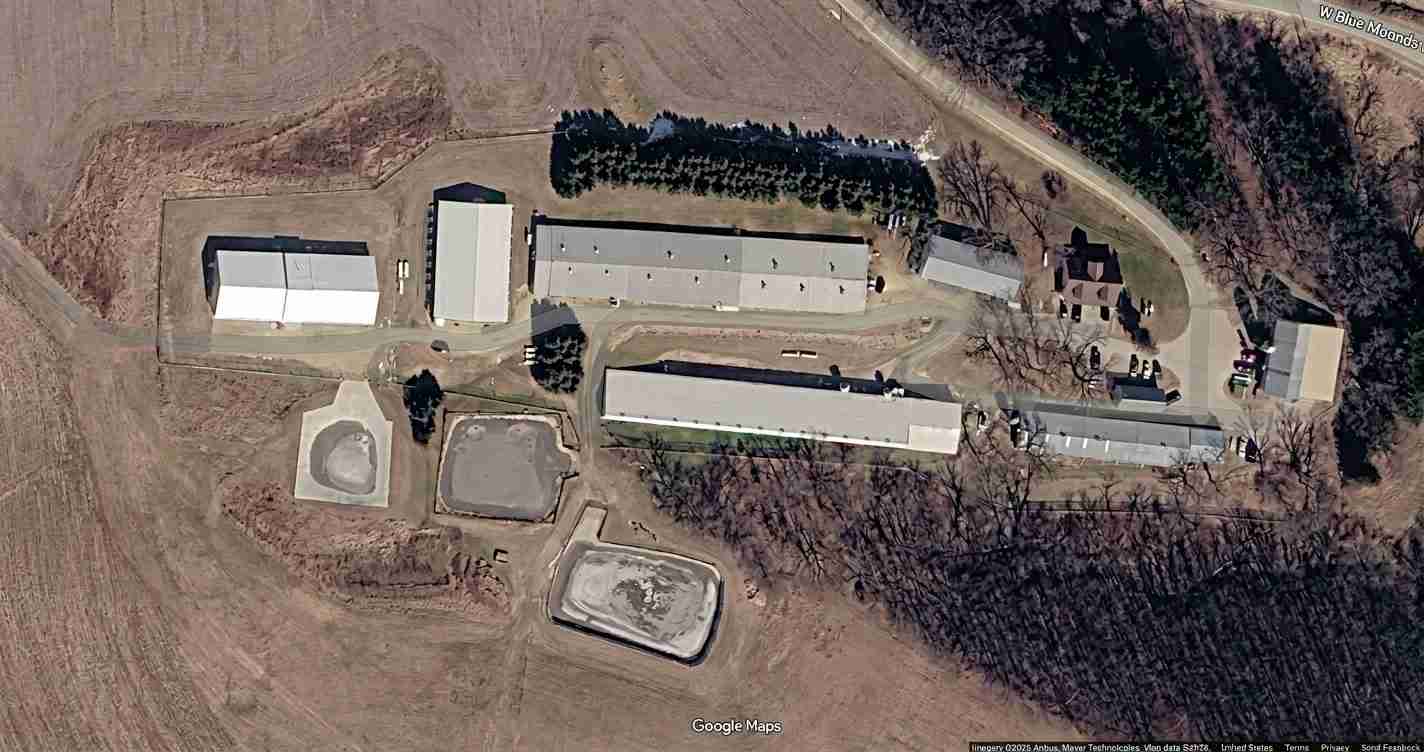
First vans leave Ridglan Farms as large-scale beagle rescue begins amid years-long controversy
About 300 beagles were removed Friday as the first vans left Ridglan Farms in Blue Mounds, Wisconsin, beginning a coordinated, multi-wave transfer to rescues nationwide after years of controversy and a settlement ending licensed breeding.
Key takeaways
- Initial transfer: ~300 beagles left on day one; organizers plan hundreds more daily over at least 10 days.
- Purchase and partners: Big Dog Ranch Rescue and the Center for a Humane Economy arranged to buy about 1,500 dogs, with multiple rescues handling intake and placement.
- Veterinary care: Dogs were medically screened, vaccinated, microchipped and given Benadryl before travel to reduce risk during transport.
- Legal resolution: Ridglan agreed to surrender its state breeding license by July 1 under a settlement that averted criminal prosecution.
Main coverage
What happened this week
On Friday, van loads carrying about 300 beagles departed Ridglan Farms in the Marshall/Blue Mounds area. Rescue groups report dogs received veterinary exams, vaccines and microchips prior to loading. Transport teams administered Benadryl to reduce motion- or vaccine-related reactions, while nine veterinarians and veterinary technicians were on site for medical clearances.
Coordination: The initial removals were coordinated by Big Dog Ranch Rescue along with partner organizations tasked with placing animals in shelters and foster homes across the country. As Big Dog Ranch Rescue’s founder Lauree Simmons said,
“it’s a very big win and I am ecstatic to have these dogs out and get them into loving homes.”
Scale of the operation and logistics
The transfer is being carried out in waves: the first day moved roughly 300 dogs, with subsequent days moving hundreds more. Each dog receives a medical check, initial vaccinations and a microchip before being moved to a receiving shelter for behavioral assessment.
Transport precautions: Veterinary screenings and Benadryl were used to limit stress and medical complications. Multiple organizations including the Dane County Humane Society and the Wisconsin Humane Society are handling placements and evaluations.
Background: Ridglan Farms and controversy
Ridglan Farms bred beagles for research for more than six decades. Advocates alleged poor conditions and procedures that caused pain; Ridglan denied mistreatment and maintained its role in biomedical research. A special prosecutor reviewing complaints found probable cause that certain eye procedures likely violated state veterinary standards.
Settlement: Rather than pursue criminal charges, officials negotiated a settlement in which Ridglan agreed to surrender its state breeding license by July 1, opening the path for rescue organizations to purchase and rehome many of the dogs.
Estimates of dog numbers and remaining animals
Rescue organizers arranged to buy roughly 1,500 beagles. Ridglan has been reported to hold between about 2,000 and 2,200 dogs depending on count timing, per U.S. Department of Agriculture estimates, meaning several hundred dogs may remain at the facility while rescues continue placement efforts.
Federal attention and funding questions
The matter drew attention in Washington after Rep. Nicholas Langworthy urged federal agencies to stop funding research that uses dogs sourced from Ridglan Farms. His letter to HHS and the NIH adds political pressure on top of regulatory and legal actions.
Why behavioral rehabilitation matters
Many dogs were bred and housed for research and lack home socialization. Rescuers emphasize behavioral evaluations and training — leash walking, house manners and routine exposure — are crucial to successful adoptions and reducing returns to shelters.
Implications for California
Economic and shelter impact: California rescues that take animals from national transfers could see increased demand on kennel space, medical resources and foster volunteers. Local groups may launch fundraising and volunteer drives to support intake, medical care and training.
Adoption and community interest: Beagles are popular in California; well-managed adoption campaigns and screening will be important to match dogs with prepared families.
Policy and research funding: Federal scrutiny may prompt California institutions to review sourcing and ethical oversight for research animals to avoid reputational or funding risks.
Public health: Transported dogs received vaccines and microchips; California officials and shelters will require verification and compliance with state and local rules for incoming animals.
Who is involved
- Big Dog Ranch Rescue — coordinating purchase, transport and training
- Center for a Humane Economy — helped broker the transfer and provided placement resources
- Beagle Freedom Project — overseeing placement for many of the dogs
- Dane County Humane Society and Wisconsin Humane Society — receiving and evaluating local placements
- U.S. Department of Agriculture — source for animal numbers and regulatory context
- Ridglan Farms — the facility at the center of the dispute; Ridglan has denied mistreatment
Legal outcome and timeline
Rather than face prosecution, Ridglan agreed to surrender its state breeding license by July 1 under a negotiated settlement. The special prosecutor found probable cause in some matters but did not file criminal charges; the settlement set a definitive end date for licensed breeding at the site.
Reporting and sources
This article draws on Times Media Service reporting and statements from rescue organizations, as well as public records from Dane County and the U.S. Department of Agriculture.
- Big Dog Ranch Rescue
- Center for a Humane Economy
- Beagle Freedom Project
- Dane County Humane Society
- Wisconsin Humane Society
- U.S. Department of Agriculture
- Rep. Nicholas Langworthy (official site)
Note: Rescue groups emphasize that behavioral rehabilitation, medical care and community support will be critical to ensuring these dogs find lasting, loving homes.