Wounded US Airman Survives 36 Hours in Zagros Mountains; Dramatic Rescue Follows Complex Operation — US F-15E WSO Rescue Iran
A U.S. Air Force weapons systems officer from an F-15E shot down over southwestern Iran survived more than 36 hours seriously wounded in the Zagros Mountains before CIA tracking and deception enabled a daylight rescue by U.S. special operations forces, officials said.
Key takeaways
- An F-15E was shot down in a remote area of southwestern Iran; debris photos posted by Iranian outlets are consistent with an F-15.
- The WSO evaded capture for roughly 36 hours while seriously wounded, sheltering in a mountain crevice and signaling with an emergency beacon.
- CIA technical tracking and deception helped pinpoint the airman and draw pursuers away ahead of a large, daylight U.S. special operations extraction.
- The rescued airman was flown to Kuwait for medical care; his identity has not been released publicly.
Incident and ejection
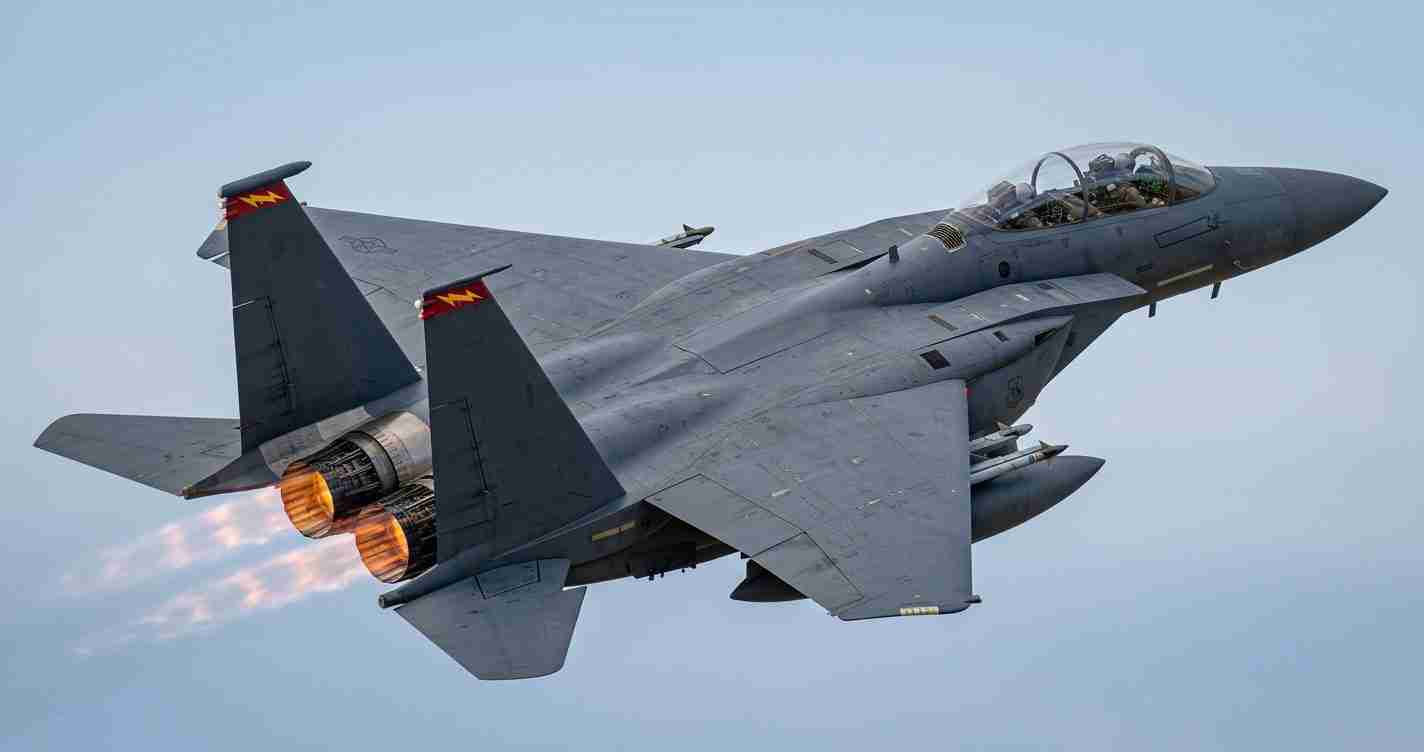
U.S. officials reported that an F-15E crew was shot down on Friday over a remote, mountainous area of southwestern Iran. Iranian state media posted images of wreckage that U.S. officials said are consistent with an F-15. Both crew members ejected and initially retained some communications capability after the crash.
Hours later, U.S. helicopters recovered the pilot despite hostile fire; the weapons systems officer (WSO) remained behind enemy lines and was not immediately recovered. Reporting drew on public accounts from Axios and CBS News live updates.
Survival and evasion in the Zagros Mountains
According to U.S. accounts, the WSO — described as a colonel in some official references but not publicly identified — was seriously wounded after ejection. Despite injuries, he climbed into rugged terrain and sheltered in a crevice in the Zagros Mountains for more than 36 hours, reportedly with only a handgun and limited supplies.
During that time he avoided converging forces, including elements of the Iranian Revolutionary Guard Corps and local fighters. Media reports vary on the exact distances and the size of the forces searching for him; the published narratives emphasize a prolonged evasion under extreme danger (Axios; CBS News live updates).
Radio message, verification and the fear of a trap
At one point the WSO transmitted a short radio message widely reported as “God is good”. U.S. commanders initially viewed the transmission with caution — mindful that an enemy might mimic friendly or religious language to confuse rescuers — but later verified the transmission as genuine. Officials said the message helped confirm the airman’s location and status.
“God is good” — Defense Secretary Pete Hegseth posted the phrase on X after the rescue.
CIA role and deception operations
U.S. officials credit the CIA with using technical capabilities to track equipment tied to the WSO to specific coordinates in the Zagros range. The agency reportedly helped create a diversion inside Iran by leaking false information that the WSO had already been rescued and was being moved by ground transport, designed to draw hostile forces away from the real pickup point.
Both Axios and CBS News live updates reported that these intelligence and counterintelligence efforts were central to enabling the extraction.
The rescue operation
U.S. officials described a large, daylight extraction combining air and ground assets. Dozens of aircraft provided overwatch and strike capability; MQ‑9 Reaper drones maintained a protective perimeter and were prepared to engage hostile forces that approached within roughly two miles of the airman’s reported position. Ground teams moved in under that aerial umbrella to recover the wounded WSO.
Media accounts cite U.S. officials saying special operations forces — backed by larger commando formations on standby — carried out the recovery. Some reports name units such as SEAL Team 6 and Army Rangers among those involved; those unit-level details have not been fully confirmed in public statements and vary across outlets (Axios; CBS News live updates).
Complications and exchanges
Officials said the operation faced last-minute complications: two aircraft at a staging base south of Isfahan reportedly became disabled, prompting U.S. forces to destroy ground vehicles to prevent capture and to reroute assets. U.S. personnel also engaged in brief skirmishes with hostile fighters during the rescue window. By nightfall, officials reported all U.S. personnel and equipment had departed the area after the extraction.
Aftermath and official statements
President Trump and Pentagon officials publicly praised the mission, describing it as daring and highlighting the risk to U.S. personnel. The rescued WSO was flown to Kuwait for medical care; officials characterize his injuries as serious but have not released detailed medical information. The pilot recovered earlier is reported to be alive and out of immediate danger.
Reporting caveats and what remains unconfirmed
Key elements of the narrative derive from U.S. officials and reporting by Axios and CBS News live updates. Social-media claims and secondary reports — including precise bounty amounts, exact unit counts, and specific tribal skirmish descriptions — have not been independently verified in the public record. Where accounts conflict, this piece relies on direct U.S. official statements and those primary published sources.
Sources and reporting
Implications for California
Economic impact: California’s defense and aerospace sector — manufacturers of aircraft systems, avionics and support equipment — could see renewed attention as the Pentagon reviews equipment and tactics after a high-profile shootdown and rescue. Ports and energy markets on the West Coast may be sensitive to Middle East instability, with potential effects on fuel costs and shipping insurance rates.
Political consequences: The rescue may reinforce views among moderate conservative voters who prioritize strong defense and troop safety, and state leaders or members of Congress with defense committee roles may seek briefings. The episode could also spur debate over rules of engagement, intelligence sharing and escalation management.
Social effects: California is home to many military families, veterans and active-duty personnel; news of a wounded airman’s survival and recovery is likely to resonate deeply. Local veteran organizations and hospitals may see increased outreach requests as families and service members process the event.
Cultural relevance: The story combines themes of individual resilience and technological coordination — narratives that resonate in California’s innovation and defense communities.
Practical applications: State emergency planners and military installations may review lessons on joint intelligence support, rapid medical evacuation planning, and resilient signaling systems for downed aircrew. California defense contractors could be asked to evaluate survival gear, tracking systems and communications used in contested environments.
Reporting note
Reporting in this article is based on public statements and reporting by Axios and CBS News live updates and on available video briefings. Key details remain under review by U.S. authorities.