Former CISA Acting Director: Iran Is Using AI to Push a False “We’re Winning” Narrative
Bridget Bean, former acting CISA director, says Iran is using AI-generated and AI-altered imagery to craft a false “we’re winning” narrative aimed at weakening U.S. resolve and gaining political influence while obscuring battlefield realities and shaping global perception.
Key takeaways
- AI-driven edits: Iran is reportedly using subtle AI-generated and AI-altered imagery to create a narrative of success.
- Faster spread, harder to verify: Small edits can pass a quick phone-scroll “gut test” and spread widely before forensic checks occur.
- Verification limits: Public reporting is limited and independent verification can be slow or inconclusive.
- Practical defense: Experts urge slowing down before sharing, cross-checking with trusted verifiers, and boosting media literacy.
Iran’s shift to AI-driven messaging
Former CISA acting director Bridget Bean told national audiences that Tehran has moved from crude propaganda to subtle AI edits designed to shape global opinion. On the Ingraham Angle, Bean warned Iran “can’t win on the battlefield, so they’re going to try and win through AI and through a global narrative.”
“They’re trying to weaken our will, our resolve and to really push a narrative that is not true,” said Bean in a Fox News interview.
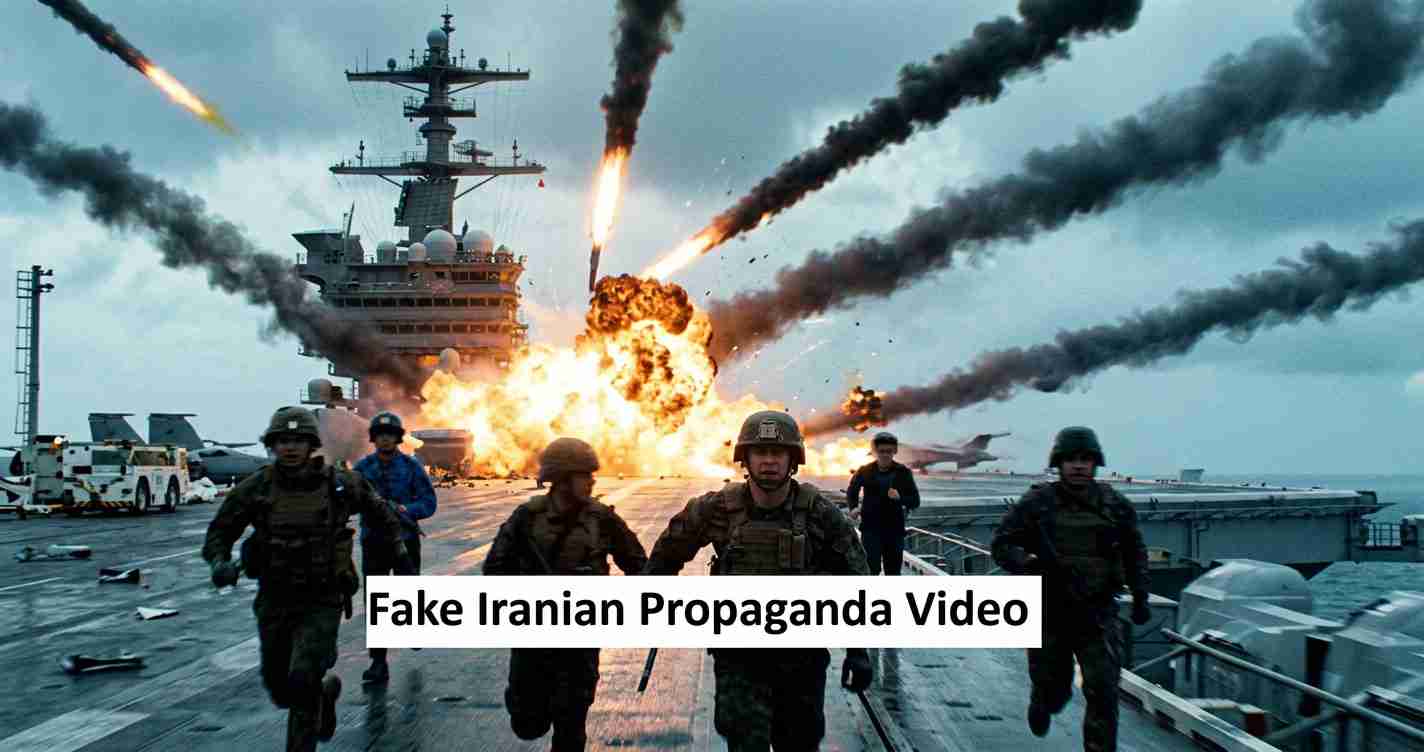
Bean explained that early fakes had obvious glitches — distorted faces or bad lip syncs — but modern edits can smooth a photo, nudge an expression, or shift timing in a clip so it looks authentic during a rapid phone scroll.
Examples cited by analysts
Public reporting has flagged state-published images of Mojtaba Khamenei as likely AI-altered. Analysts say edits range from simple touch-ups to generative changes that alter expression or posture, leaving the image looking convincing to a casual viewer.
Because manipulated images often spread on social platforms quickly, independent verification may lag behind the sharing cycle — allowing false impressions to take root before forensic checks complete.
Why Iran would turn to AI propaganda tactics
Security experts identify three common goals for state information operations: shape foreign opinion, weaken enemy resolve, and rally domestic support. When battlefield outcomes are limited or costly, perception management via AI is a low-cost, scalable alternative.
AI enables rapid repackaging: a single edited image or clip can be subtitled, localized, and pushed across platforms and languages within hours — amplifying a false narrative of victory far beyond the originating account.
Limitations of public reporting and verification
Current public reporting remains limited. Verification teams combine technical forensic tools, context checks, and source tracing — but subtle AI edits make definitive assessments harder and slower.
Experts recommend treating widely shared visual content as unverified until multiple trusted sources confirm authenticity. Bean and colleagues emphasize caution: rapid sharing amplifies risk.
What experts recommend
- Slow down before sharing: Pause and confirm sources for dramatic images or claims.
- Cross-check: Use established fact-checkers and verification teams that perform forensic analysis.
- Seek context: Look for timestamps, multiple angles, original account history, and platform manipulation flags.
These steps, Bean said, can blunt the power of AI-driven misinformation and reduce the influence of state-directed narrative campaigns.
Implications for California
Economic and tech sector risks
California’s tech sector — including firms that build and deploy AI — could face reputational damage, investor concern, and regulatory scrutiny if platforms are seen as failing to detect or label manipulated media. Policymakers may press for clearer AI transparency and moderation rules.
Cybersecurity and critical infrastructure
While recent reports focus on imagery and narrative warfare, similar AI capabilities could be leveraged in broader cyber campaigns. State and local agencies should coordinate with federal partners and private operators to safeguard critical services and prevent misinformation from disrupting emergency responses.
Political and social consequences
California’s diverse population includes immigrant communities with ties to the Middle East; targeted propaganda can inflame tensions, influence local politics, and affect voter sentiment. Law enforcement and public-safety officials must plan rapid, visible corrections to false reports.
Media literacy and schools
Expanding media literacy in schools and universities will help communities spot manipulated images, verify information, and resist misleading narratives. Partnerships between educators, tech firms, and nonprofits can bring verification training into classrooms.
Defense contractors and veterans
A successful foreign narrative suggesting U.S. weakness could harm morale and create public pressure for policy changes. Employers and leaders should provide clear briefings and factual updates to workers and families to counter misleading claims.
Practical steps for Californians
- Verify before you share: check established fact-checkers and official accounts.
- Follow local officials for authoritative updates on safety and infrastructure.
- Report suspected manipulated media to platforms and authorities if it affects public safety.
- Support media-literacy programs in schools and community centers.
Sources and further reading
- Fox News video interview with Bridget Bean
- Reporting on alleged AI-altered images from Iranian state media
Journalists and officials continue to examine related images and claims. Experts warn that as AI improves, distinguishing fact from fiction will grow harder — making vigilance, verification, and public education essential defenses against state-driven misinformation.