CHP multi-division strike force issues 352 citations, places 40 trucks out of service on I-15 freight corridor
California Highway Patrol conducted a multi-division strike force on Interstate 15 on Feb. 26, 2026, issuing 352 citations, placing 40 trucks and 18 drivers out of service, and completing 245 commercial vehicle inspections across the corridor.
- Enforcement scale: 245 vehicle inspections and 352 citations across the full I-15 corridor from San Diego to the Nevada state line.
- Safety actions: 40 vehicles and 18 drivers placed out of service; 4 vehicles impounded.
- Top violations: 270 mechanical issues, 107 unsafe speed citations and 77 out-of-lane citations.
- Coordination: Nine CHP divisions participated, led by Rancho Cucamonga Station to provide corridor coverage.
Operation overview: CHP commercial vehicle enforcement I-15
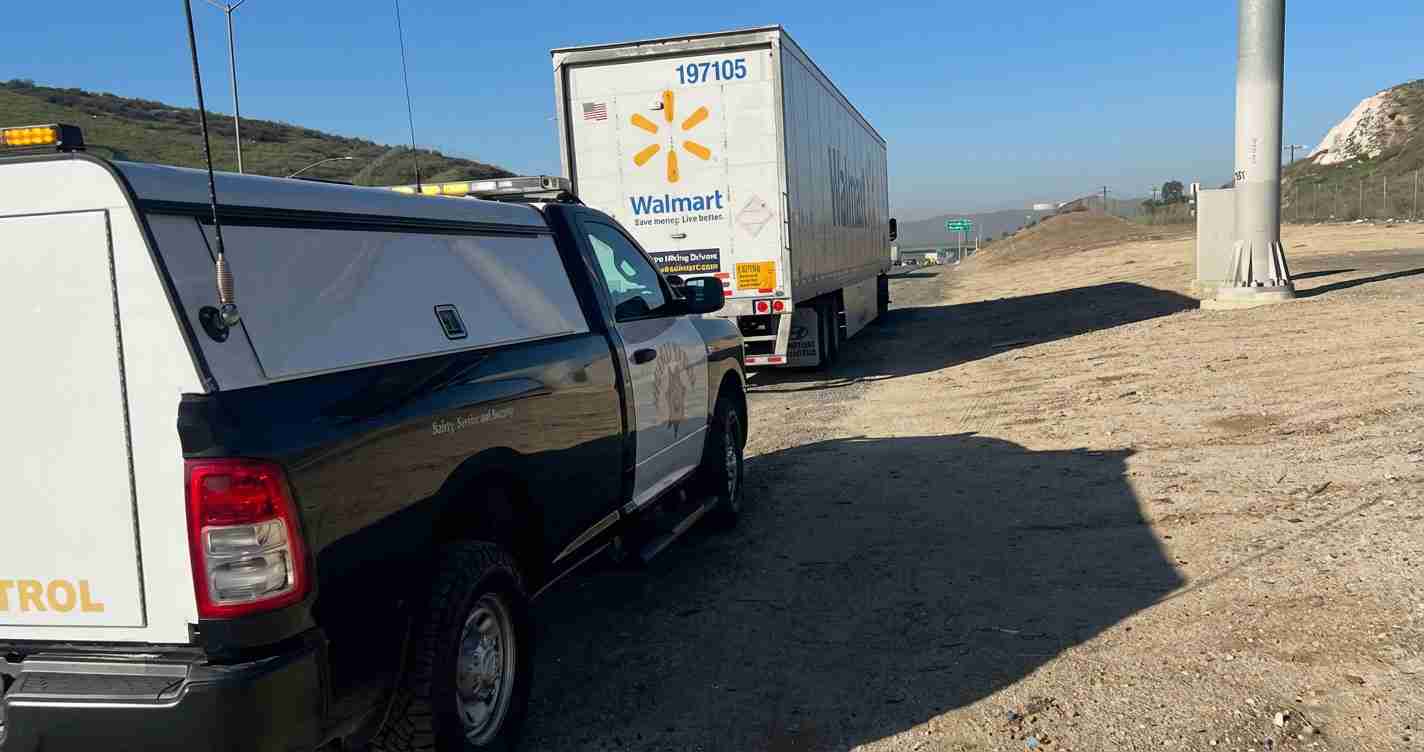
On Feb. 26, 2026 the California Highway Patrol organized a corridor-wide enforcement action on Interstate 15. Officers from Inland and Border Divisions combined roving patrols, roadside inspections and targeted stops in what CHP described as a “Multi-Division Commercial Strike Force Operation” — Multi-Division Commercial Strike Force Operation.
Enforcement results and violations
Inspections and immediate actions: The operation completed 245 vehicle inspections, including two hazardous materials checks. From those inspections, 18 drivers were placed out of service and 40 commercial vehicles were taken out of service for safety defects; 4 vehicles were impounded.
Citations and warnings: The operation produced 352 citations and 56 warnings overall, plus 43 citations to non-commercial vehicles. Officers also noted 6 cell phone violations, 23 non-emergency stop violations and issued 11 verbal warnings. (Additional coverage and detail.)
Detailed violation breakdown
- 270 mechanical violations — brakes, tires, lighting and other equipment failures (mechanical violations).
- 107 unsafe speed citations (speed citations).
- 77 out-of-lane violations and 48 additional moving violations.
- 39 hours-of-service/logbook violations.
- 20 driver license, 24 registration and 27 operating authority violations.
Participating divisions and collaboration
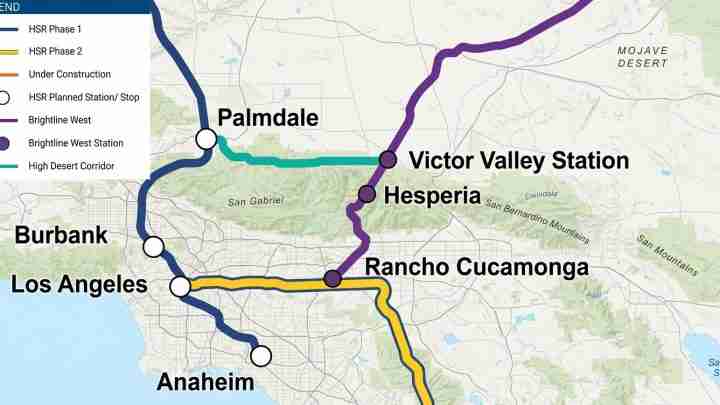
Nine CHP offices contributed staff and resources: San Diego, Oceanside, Temecula, Riverside, Rancho Cucamonga, San Bernardino, Victorville, Barstow and Mountain Pass (JPOE). Rancho Cucamonga Station coordinated the corridor coverage, pulling personnel from Inland Division and Border Division to concentrate enforcement along the route — a move the agency said was central to the measurable results (participating divisions).
What the numbers show: safety gaps and commerce trade-offs
Mechanical failures dominate: The high count of mechanical violations (270) suggests widespread equipment problems that can endanger other road users. Speed and lane control issues (107 unsafe speed, 77 out-of-lane) indicate risky driving where heavy trucks mix with commuters and tourists.
Commerce impact: Interstate 15 is a vital freight artery for Southern California. Removing unsafe trucks improves safety but can delay shipments when vehicles are taken out of service or impounded. CHP said the operation aimed to balance safety and commerce with enforcement plus education (I-15 corridor enforcement).
Investigative questions and follow-up areas
- Why were mechanical defects so common? Are maintenance standards slipping or inspection intervals inadequate?
- Which carriers accounted for the largest share of operating-authority, registration and logbook violations?
- Did enforcement focus disproportionately on smaller local carriers versus national fleets?
- How many out-of-service drivers or vehicles were repeat offenders flagged in prior inspections?
- What follow-up actions will CHP take to reduce repeat violations and help carriers comply?
Implications for California
Economic: Short-term removals can delay shipments and raise costs for freight operators; long-term fewer crashes and breakdowns reduce congestion and improve reliability. The prevalence of mechanical violations may mean higher maintenance bills or fines for carriers unless preventive upkeep improves (economic impact).
Political and regulatory: For constituencies concerned with safety and commerce, the operation signals enforcement across jurisdictions and may prompt calls for targeted compliance programs, outreach to owner-operators and streamlined remediation for out-of-service conditions.
Social and traveler safety: Removing 40 unsafe commercial vehicles and 18 out-of-service drivers likely prevented collisions or hazardous incidents. The inclusion of two HAZMAT inspections highlights potential risks when hazardous loads travel on poorly maintained vehicles.
Practical applications for residents and businesses
- Motorists: Expect periodic enforcement and potential traffic impacts where inspections occur.
- Carriers: Audit fleet maintenance, ensure logbooks and hours-of-service systems are current, and verify registration and operating authority documents.
- Small carriers: Seek CHP outreach sessions or industry assistance programs to avoid costly out-of-service orders.
Sources and supporting reporting
Primary operational summary and statistics reported by CHP and local reporting
Additional coverage and detail
“The teamwork and commitment demonstrated by officers across divisions directly contributed to measurable enforcement results and improved roadway safety along one of California’s most heavily traveled freight corridors,” the CHP said, reiterating its commitment to proactive enforcement and education.
For further information, review the full CHP summary and the additional reporting.