Trump Announces “Operation Epic Fury” as U.S. and Israel Launch Major Combat Operations Against Iran
President Donald Trump announced on February 28, 2026 that the U.S. and Israel launched “Operation Epic Fury,” a massive campaign of coordinated strikes aimed at eliminating Iran’s nuclear and missile capabilities and neutralizing regional proxy threats.
Key takeaways
- Operation Epic Fury is described by the administration as “major combat operations” targeting Iran’s nuclear, missile, naval and proxy capabilities.
- Coordinated U.S. and Israeli strikes have included strikes on leadership targets and prompted Iranian missile launches in response.
- Officials cite “imminent threats” as legal and operational justification; critics demand clearer public evidence and civilian-risk mitigation.
- Regional and domestic impacts include risk of wider escalation, economic effects (higher fuel/shipping costs), and political pressure in California.
Main coverage
What Trump said and how officials described the campaign
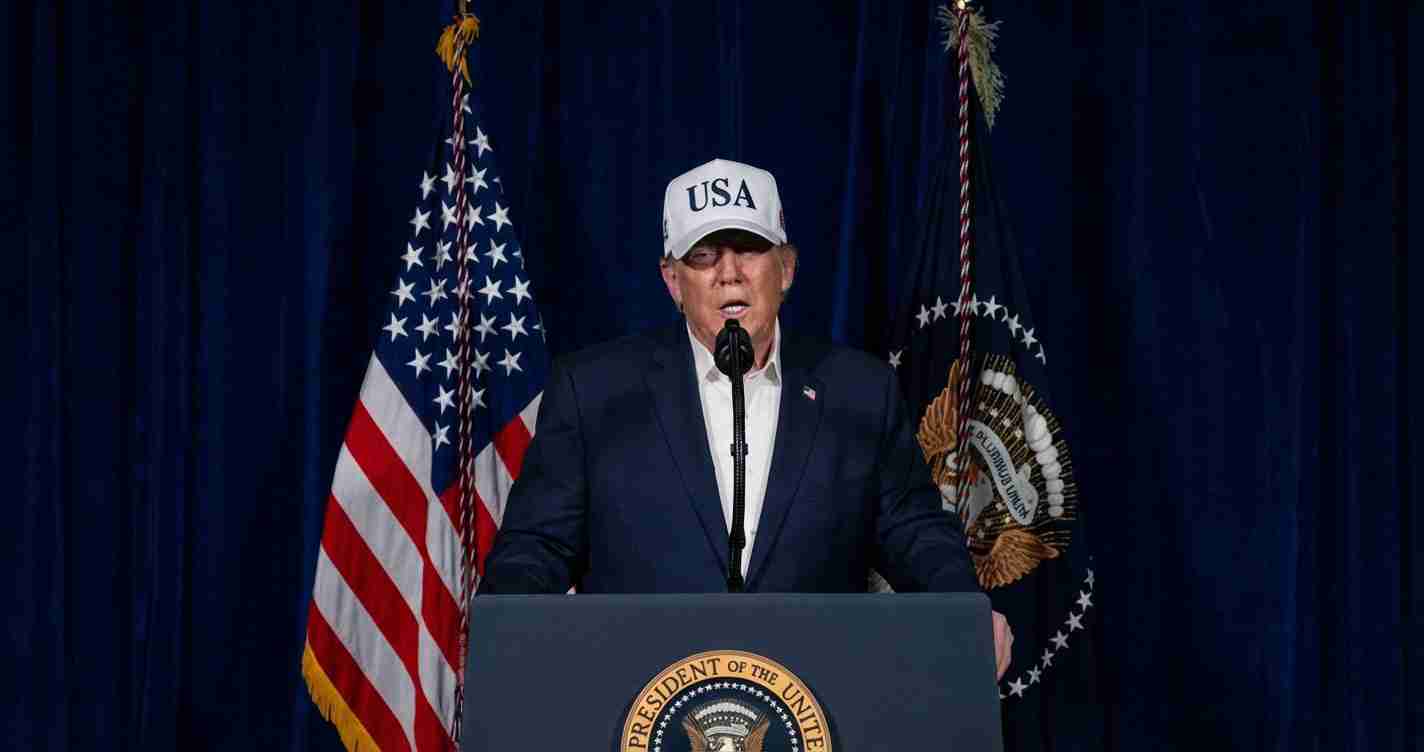
In a video posted to Truth Social, Mr. Trump called the campaign “massive and ongoing” and laid out blunt objectives: to destroy missiles, raze the missile industry, annihilate the navy and neutralize terrorist proxies. Officials framed the operation as focused on preventing Iran from obtaining a nuclear weapon and protecting U.S. forces and allies (Politico; Iran International).
“The lives of courageous American heroes may be lost,” Mr. Trump warned, while insisting the campaign is necessary to defend the United States and allies.
Mr. Trump urged Iranian military members, including the Islamic Revolutionary Guard Corps, to “lay down your weapons” in exchange for immunity or face “certain death.” He directly addressed Iranian civilians to shelter and to “take over your government.” These excerpts were shared by the president on his platform (Iran International; CBS News).
U.S. and Israeli roles, and the focus on “imminent threats”
U.S. officials say strikes are concentrated on sites that present imminent threats: nuclear facilities, missile launch sites and naval assets that could endanger shipping or bases. Military options briefed to the president included conventional airstrikes, long‑range missiles, cyber operations and information campaigns (Politico; Iran International).
Israeli forces conducted coordinated strikes reportedly targeting leadership and critical missile infrastructure. Iran launched missiles in response, some reportedly aimed at Israeli territory and at least two major U.S. bases in the region, according to U.S. and Israeli briefings (CBS News).
How we got here: history and recent escalations
Tensions have been building for years through violent incidents, proxy attacks and the long-running dispute over Tehran’s nuclear program. The 2020 killing of IRGC Quds Force commander Qassem Soleimani set off a new cycle of threats and reprisals. In the months before Operation Epic Fury, indirect talks on nuclear and missile limits collapsed amid disagreement — U.S. officials and advisers said Iran’s proposals were insufficient, especially on missile restrictions (Politico; Iran International).
Domestic unrest in Iran — including a government crackdown on mass street protests in January 2026 — added pressure on Washington. The administration warned the window for diplomacy was closing and signaled a larger U.S. military presence in the Gulf as leverage (CBS News; Iran International).
What military planners expect and short-term implications
U.S. military planners advised preparing for sustained operations that could last weeks if Iran does not quickly lose its ability to project force. That reflects Iran’s dispersed nuclear infrastructure, missile inventories and regional proxy networks. Officials warned of the possibility of wider escalation if Iranian forces or affiliated militias intensify attacks on U.S. bases, shipping lanes or partner nations (Iran International; Politico).
Iran blamed the United States for the collapse of indirect talks, and state media framed diplomatic failures as U.S. responsibility. Some Iranian officials warned that war had become an option after negotiations faltered; missile launches acknowledged Tehran’s capacity to strike back and raised the risk of broader regional conflict (Iran International).
Questions of legality, intelligence and civilian risk
Legal and intelligence questions surround the operation. Administration officials point to imminent‑threat assessments and recent Iranian attacks on U.S. forces as justification. Critics demand clearer public evidence of specific threats and transparency on target selection to minimize civilian harm. Humanitarian groups warn that strikes against nuclear infrastructure and populated areas carry high risk for civilian casualties and long-term environmental damage (Politico).
The reported use of cyber and psychological operations to blunt Iran’s response raises additional oversight questions. Officials say such tools can limit kinetic escalation; others ask how those operations are monitored and what safeguards protect noncombatants and regional stability (Politico).
Implications for California
Economic impact: California could feel immediate effects via higher oil and gas prices, which would raise transportation and goods costs and could feed into higher consumer prices. Ports and exporters may face disruptions if Persian Gulf instability hits global freight routes or insurance costs. Defense contractors and tech firms tied to the Middle East may see short-term demand shifts for logistics and cyber work (CBS News).
Political consequences: The operation will test support among moderate conservatives for robust defense versus calls for restraint. California lawmakers and members of Congress may press for evidence of imminent threats and congressional oversight. The state’s sizable Iranian‑American communities may increase calls for diplomacy and humanitarian relief (Politico).
Social effects: Expect increased activism, protests and solidarity events from Iranian‑Americans, veterans, peace advocates and national-security supporters. Schools, workplaces and faith communities may host forums; local governments and first responders should prepare for demonstration-related security concerns (Iran International).
Cultural relevance & practical steps: Messaging that emphasizes defense and nonproliferation may resonate with voters prioritizing security, while calls for humanitarian protections will find support among those wary of long campaigns and civilian harm. Californians with travel plans to the Middle East should reassess itineraries and consult State Department advisories; businesses should review supply‑chain risks and contingency plans; families with dual‑nationals should track consular guidance (CBS News; Politico).
Reporting and sources
This report draws on the president’s Truth Social remarks and official briefings reported by outlets tracking the operation and fallout. Key sources include Politico, Iran International and CBS News, which provided contemporaneous accounts of the announcement, U.S. and Israeli actions, Iranian responses, and the diplomatic context.