FDD report warns Iran may have used chemical weapons on protesters; urges OPCW, U.S. probe and possible targeting of research sites
A new Foundation for Defense of Democracies report alleges Iran deployed chemical agents against civilian protesters during a massive December 2025 uprising, urging urgent OPCW and U.S. investigations while proposing possible targeted strikes on research facilities.
- Allegation: The FDD report says Iranian security forces may have used chemical agents against protesters during late-2025 unrest.
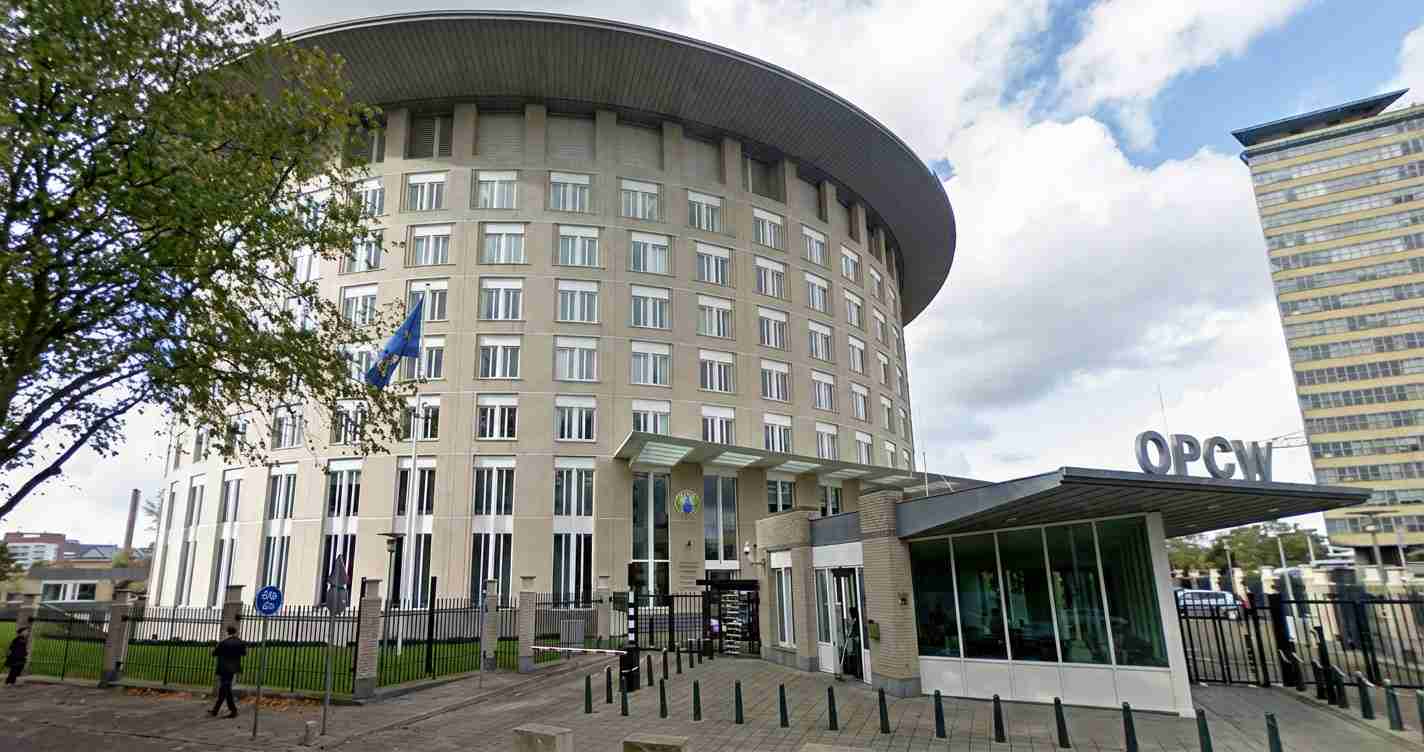
- Call to action: Author Andrea Stricker urges the OPCW and the United States to investigate credible claims and gather forensic evidence.
- Policy options: FDD recommends U.S. consideration of strikes on chemical research and production facilities if use is confirmed.
- Verification gap: Independent, open-source confirmation of chemical use is not yet public; analysts stress the need for medical, environmental and chain-of-custody proof.
FDD’s findings and allegations
What FDD says: The report by Andrea Stricker outlines an alleged covert Iranian program that could have produced and deployed chemical agents against civilians during the December 2025 uprising. FDD describes the protests as the largest challenge to the Islamic Republic since 1979 and alleges a sweeping, lethal crackdown that it says may have included unconventional chemical use (FDD report; FDD transcript).
Stricker highlights casualty estimates ranging roughly from 36,000 to 43,000 deaths over about three-and-a-half weeks of unrest — figures FDD publishes but which are not independently verified in public sources (FDD transcript).
Why the Chemical Weapons Convention (CWC) matters
Under the CWC, states party are prohibited from developing, producing, stockpiling, or using chemical weapons — rules that cover domestic repression as well as wartime use. If proven, the alleged employment of chemical agents against protesters would represent a clear violation of Iran’s obligations (FDD report).
Stricker has urged the U.S., the OPCW and allied governments to investigate “credible claims that Iran’s regime used chemical weapons against its own people,” stressing the need for both human-rights accountability and nonproliferation enforcement.
Diplomacy, nuclear tensions and military options
FDD places its chemical-weapons concerns alongside Tehran’s nuclear and missile programs and ongoing talks in Oman that cover nuclear, missile, terrorism and human-rights topics (FDD project page; FDD longview).
The report argues diplomacy is viable only if backed by pressure. FDD analysts recommend that U.S. policymakers prepare a range of options — from sanctions and diplomatic measures to precision strikes on nuclear facilities and, if warranted, on chemical research and production sites to prevent further use (FDD media call transcript).
“If Washington launches strikes against Iran, it should give serious consideration to targeting the regime’s chemical weapons research and production facilities,” — Andrea Stricker (quoted in FDD materials).
Verification gaps and independent reporting
Outside FDD’s analysis, no publicly available independent confirmation has been published that Iranian security forces used chemical agents on protesters. European and U.S. officials have said they are monitoring claims, and independent outlets have urged OPCW probes, but open-source forensic evidence remains unpublished (National Interest analysis).
Policymakers face a crucial verification challenge: a measured response requires medical examinations, chain-of-custody documentation, environmental sampling and credible witness testimony. The OPCW has technical capacity to investigate; FDD urges immediate involvement to establish facts and identify responsibility (FDD OPCW topic).
Broader security context
FDD situates the chemical-weapons allegations within a broader portfolio of concerns Washington monitors: undeclared weapons activities, ballistic missile programs, proxy support (e.g., Hezbollah), sanctions evasion and internal repression. The group recommends a U.S. strategy that mixes pressure, support for dissidents, and selective strikes to degrade Tehran’s capabilities without occupation (FDD projects: Iran program).
The tension is clear: acting on credible evidence could justify coordinated sanctions, legal action and narrowly tailored military operations, while acting on unverified claims risks escalation based on incomplete information. That tension underpins FDD’s call for rapid, transparent international investigation.
Implications for California
Economic impact: California’s trade, technology and energy links could be affected. Heightened tensions typically raise global energy and shipping-insurance costs, potentially increasing gasoline and consumer prices. Local ports and supply chains could see indirect disruption.
Political consequences: State and federal officials from California will face pressure to respond to any credible evidence. California’s Iranian‑American communities are likely to demand thorough, impartial investigations, shaping congressional engagement.
Social and cultural effects: Allegations of chemical attacks would mobilize activists, human‑rights groups and immigrant communities. California hospitals are not expected to be directly engaged, but public-health authorities or universities may be asked to assist with documentation, research or refugee care. The story will resonate across the state’s civil-society and media arenas.
Practical advice: Residents and businesses should monitor developments — consumers may see higher prices, and companies dependent on international shipping (notably via the Ports of Los Angeles and Long Beach) should prepare for supply-chain impacts. Universities and research centers may be called on for expertise.
Sources and next steps
- FDD analysis: “Countering Iran’s Covert Chemical Weapons Program”
- FDD Iran topic page
- FDD media call transcript
- FDD OPCW topic page
- FDD projects: Iran program
- FDDAction “Longview” piece
- National Interest analysis on alleged chemical attacks
Investigative reporters and policymakers will watch for any OPCW confirmation or U.S. intelligence assessments that corroborate FDD’s claims. For now, the report has brought allegations about an Iranian chemical-weapons program and possible protester chemical attacks to the center of policy debate, highlighting the difficult choices between diplomacy, sanctions and use of force.