Alaskan Climbing Star Balin Miller Dies After Fall from Yosemite’s El Capitan in Apparent Rappel Error
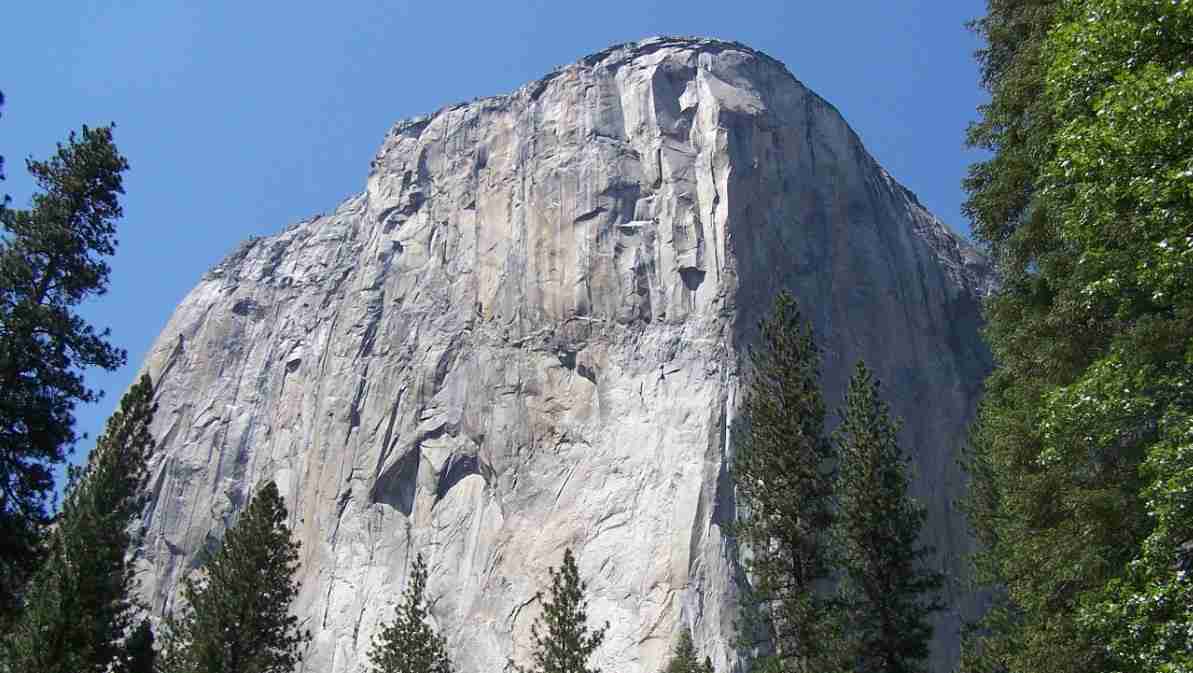
Balin Miller, a 23-year-old Alaskan climber, died after falling from Yosemite’s El Capitan when he reportedly rappelled off the end of his rope while retrieving a stuck gear bag following a solo ascent, authorities and eyewitnesses said.
Key takeaways
- Victim: Balin Miller, 23, of Anchorage; reported by ABC News and Los Angeles Times.
- Location and route: El Capitan’s Sea of Dreams route (≈2,400 feet); covered by the LA Times and ABC30.
- Circumstances: After a solo lead-roped ascent, Miller rappelled to retrieve a stuck gear bag; his rope fell short by several feet and he reportedly rappelled off the end of the rope.
- Context: The fall occurred during a livestream and on the first day of a federal government shutdown that reduced park staffing; an investigation and park response are ongoing.
What happened on El Capitan
Eyewitnesses and on-site photos show Miller topping out on El Capitan’s exposed Sea of Dreams line, a roughly 2,400-foot big-wall climb. Reports indicate his gear bag became stuck near the top after he completed a solo lead-roped ascent.
When he attempted to recover the bag, he rappelled back down but the rope came up several feet short of the bag. Multiple sources say Miller then rappelled off the end of the rope, a historically common and often fatal mistake when no stopper knot or backup is in place.
“It appeared he was trying to retrieve equipment and the rope didn’t reach—then he fell,” one eyewitness account summarized the scene as reported by news outlets.
Coverage and detail: see reporting from the LA Times and Fox News for timelines and eyewitness material.
Lead rope soloing and common risks
Miller was climbing in a style known as lead rope soloing, wherein a climber ascends alone while using a self-belaying device and placed protection. Soloing big walls amplifies complexity and risk compared with partner climbs.
Primary dangers: the mechanics of a single-rope rappel, stuck gear, measurement errors, and lack of redundancy can combine to eliminate recovery options. Investigators and experienced climbers highlighted human error plus technical failure as likely contributors.
Further context: reporting by the LA Times and Fox News discusses technique and incident mechanics.
Miller’s background and community reaction
Miller was a recognized figure in climbing circles and on social media, known for bold routes and significant achievements despite his youth. He had recently completed Denali (Mount McKinley)’s Slovak Direct route and was described by family as a lifelong climber motivated by passion, not fame.
Family remarks: His mother, Jeanine Girard-Moorman, said he had climbed since childhood and that his passion “was never about money or fame.” His brother Dylan remembered him as talented, bold, and respected.
Community response has included tributes, safety reminders, and debate about the role of livestreaming in high-risk activities; see coverage from ABC News and Fox News.
The livestream and public impact
Parts of the climb and the moments that followed were reportedly livestreamed, magnifying grief and public scrutiny. Followers watched in real time; many later posted tributes and discussed safety practices.
Observers note that real-time audiences can influence decision-making on dangerous routes, raising questions about ethics, responsibility, and the pressures of performing for an online viewership.
Park response and the shutdown context
The incident occurred on the first day of a federal government shutdown that left national parks operating with reduced staff and closed visitor centers. Despite reduced staffing, National Park Service emergency personnel responded and began initial actions.
Official communications have been limited—park statements are restrained while investigators collect evidence and notify family—prompting broader debate about emergency capacity and public safety during funding interruptions.
See reporting by ABC News, LA Times, and ABC30.
Safety lessons from a fatal mistake
Climbing leaders and safety experts emphasize clear, practical steps to reduce the risk of rappelling off the end of a rope. In big-wall settings, a single oversight can be deadly.
- Always tie visible stopper knots at both rope ends.
- Measure rope lengths before committing to a rappel and plan conservative margins.
- Use redundant backups (prusiks, autoblocks, or a second strand) and conservative systems when soloing.
- When possible, climb with partners or certified guides on complex, exposed routes.
Experts and the community have called for expanded public education, safety clinics, and reinforced peer-to-peer instruction on El Capitan ropework and rappel protocols.
Implications for California
The tragedy has multiple implications across public safety, the outdoor economy, policy debates, and community culture in California.
Public safety and park operations
The incident highlights strains on Yosemite and other parks during federal funding interruptions—reduced staffing can hamper visitor education, permitting, and on-site safety guidance, even though rangers did respond in this case.
Outdoor recreation economy
High-profile accidents can affect visitor confidence and local businesses that rely on park tourism; operators may face renewed calls for enhanced safety briefings, certified guides, and limits on unsupervised soloing of high-risk routes.
Policy and regulation debates
For a politically moderate conservative audience, the case raises questions of personal responsibility versus targeted oversight. Some will call for better education and funding for ranger presence; others will emphasize individual accountability.
Community and cultural impact
Local climbing gyms, guide services, and clubs often respond to losses with memorials, safety clinics, and outreach. This event may spur increased peer-to-peer safety efforts on El Capitan.
Practical effects for residents
For Californians who visit big-wall areas, the incident is a reminder to check gear, refresh ropework skills, and consider guided options for complex routes. Land managers may expand briefings and pursue funding to maintain ranger presence during peak seasons or funding gaps.
Sources and further reading
- ABC News: Alaskan climbing star dies after fall from Yosemite’s El Capitan
- ABC30: Alaskan climbing star dies after fall from Yosemite’s El Capitan
- Fox News: Rising climbing star plunges to death from Yosemite’s El Capitan mid-livestream
- Los Angeles Times: Popular climber falls to his death on Yosemite’s El Capitan
Investigations by park authorities are ongoing. Yosemite officials have limited public comments while evidence is collected and family is notified. The climbing community continues to mourn and to debate prevention and safety improvements for El Capitan.