Man Charged After Video Shows Fatal Stabbing of Sleeping Rider on Chicago CTA Blue Line; Prosecutors Say Suspect Recorded Attack
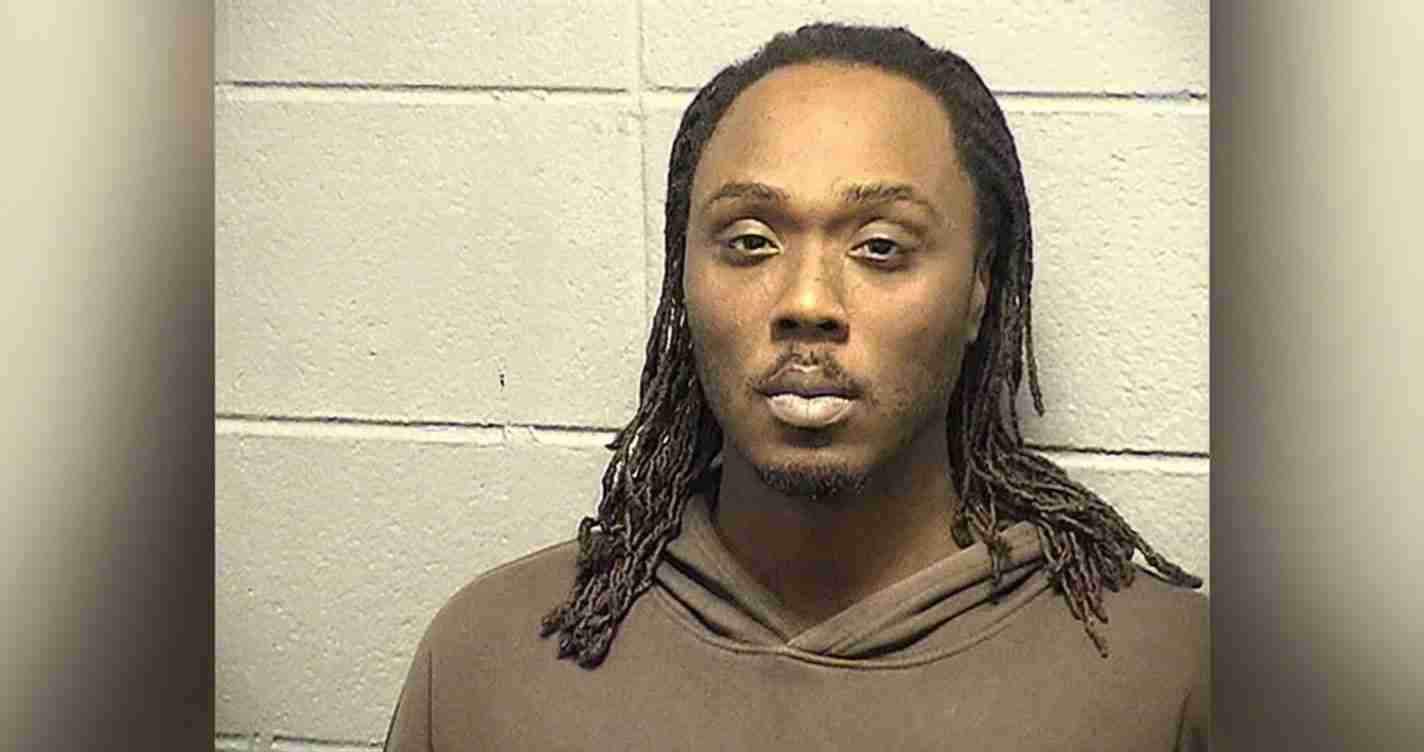
Demetrius Thurman, 40, faces a first-degree murder charge after prosecutors say he recorded himself fatally stabbing 37-year-old Dominique Pollion, who was asleep on a CTA Blue Line train early Saturday; police arrested Thurman after recovering video evidence.
Key takeaways
- Victim: 37-year-old Dominique Pollion, pronounced dead at Northwestern Memorial Hospital after the stabbing. (Sources: Fox 32 Chicago, ABC7 Chicago, CBS Chicago)
- Suspect: 40-year-old Demetrius Thurman arrested and charged with felony first-degree murder; prosecutors say he admitted the stabbing and recorded it. (Sources: Fox 32 Chicago, Fox News, CBS Chicago)
- Evidence: CTA surveillance cameras plus footage recovered from Thurman’s cellphone showing the stabbing and aftermath; phone contained photos of other sleeping riders. (Sources: Fox 32 Chicago, Fox News)
- Next steps: Thurman is charged with felony first-degree murder; next court date listed as Jan. 20. (Source: Fox News)
What prosecutors say happened
Prosecutors describe an unprovoked, random attack. Court records reviewed by local outlets indicate Pollion had been asleep on the train for nearly an hour before Thurman approached; the men did not know each other, authorities say.
According to police summaries and charging documents, Thurman approached from behind with a cellphone in one hand and a knife with a bright orange handle in the other. Investigators say he filmed as he stabbed Pollion near the heart and again in the abdomen. Pollion reportedly woke screaming, tried to move down the aisle and then collapsed; some accounts indicate multiple stab wounds.
Video and physical evidence
The incident was captured by multiple devices. CTA surveillance cameras recorded the attack; prosecutors say Thurman’s cellphone included the stabbing footage and photos of other sleeping passengers. After the assault, charging documents say Thurman turned the camera to his own face and later filmed from the platform, saying “somebody got his ass” while recording.
Prosecutors: footage from Thurman’s phone and CTA cameras formed part of the probable cause for the murder charge.
A witness on the platform alerted CTA security at Clark/Lake; transit officers located Pollion, who was taken to Northwestern Memorial Hospital and pronounced dead. Police recovered Thurman’s phone during the arrest and say its contents were later referenced in charging documents.
Identification and arrest
Investigators ran CTA camera frames through Illinois facial-recognition resources, which produced a match to Thurman. That match was followed by traditional investigative steps: family confirmation and connection to a recent police encounter that included body-camera footage of Thurman asleep on a Blue Line train and presenting identification.
Chicago police arrested Thurman Sunday at 210 S. Canal Street in the West Loop. Authorities say he wore the same clothing seen in surveillance footage and admitted to stabbing Pollion during questioning.
Suspect background and court status
Court records and reporting show Thurman had prior encounters with police: supervision for a 2014 disorderly conduct charge, a 2017 DUI, and a 2023 traffic arrest that resulted in supervision. Prosecutors filed a felony first-degree murder charge; Thurman’s next court appearance is listed as Jan. 20.
At this stage, prosecutors have not presented a motive beyond the charging documents’ description of an unprovoked attack. Investigators and prosecutors characterize the killing as random; no link between Thurman and Pollion appears in the reviewed court records.
Legal and civil-safety questions raised
The case renews debate over public-transit safety and the use of biometric tools. Officials say CTA surveillance footage and facial-recognition resources were key to identifying the suspect and building probable cause. Supporters highlight the technology’s role in quickly solving violent crimes; critics raise civil-liberty and accuracy concerns.
Authorities emphasize that the facial-recognition match was followed by family confirmation and physical evidence from the scene and the suspect’s phone. Civil libertarians urge transparency on biometric use, retention and safeguards; Chicago has a history of public debate about privacy and law enforcement technology.
Implications for California
California transit systems—from LA Metro and BART to San Francisco Muni—may see lessons from Chicago’s case: calls for increased visibility and staffing on trains and platforms, more uniform security protocols, and expanded surveillance to deter violence. Agencies may point to the CTA camera network as evidence that video aids rapid investigation and prosecution.
The use of facial recognition and cellphone evidence will also resonate in California, where some jurisdictions have restricted biometric tools. Proponents may cite this case to argue for continued or expanded use; skeptics will renew calls for strict oversight, transparency and accuracy safeguards. Policymakers will have to weigh public-safety benefits against civil-liberty protections.
Practical steps for riders
Riders can take measures to increase safety: travel with companions when possible, ride in cars or areas with more passengers during late hours, report suspicious behavior to transit staff or 911, and use transit apps for real-time alerts. Agencies should make reporting easier and communicate clearly about follow-up actions to restore public confidence.
Court calendar and follow-up
Thurman is scheduled to appear in court on Jan. 20. Prosecutors are likely to disclose additional evidence before trial. California observers tracking the case should watch how courts handle phone and surveillance evidence and how judges balance privacy concerns with probative value for admission of such material.
Sources and reporting
This article synthesizes reporting from local and national outlets that reviewed court records, police statements and video evidence: Fox 32 Chicago; ABC7 Chicago; Fox News; and CBS Chicago. Additional coverage included an ABC7 video report (ABC7 video) and related local summaries (AOL).