Nicolás Maduro captured US — Venezuelan leader to face Manhattan court appearance on narco-terrorism charges
Nicolás Maduro, Venezuela’s former president, was captured by U.S. forces on January 3, 2026 and transferred to the United States; he and his wife, Cilia Flores, face federal narco-terrorism and cocaine trafficking charges with an initial Manhattan arraignment scheduled January 5.
Key takeaways
- Capture and transfer: Maduro and Cilia Flores were seized in Caracas during Operation Absolute Resolve and transported to U.S. custody, according to reports (United States of America v. Nicolás Maduro — Wikipedia).
- Federal charges: They were added to a superseding indictment alleging narco-terrorism and cocaine importation conspiracy originating from a 2020 indictment (United States of America v. Nicolás Maduro — Wikipedia).
- Arraignment: A brief initial appearance is scheduled before the U.S. District Court for the Southern District of New York at noon on January 5, 2026 (United States of America v. Nicolás Maduro — Wikipedia).
- Legal defense: Maduro’s attorneys intend to challenge the legality of the seizure and assert head-of-state immunity; prosecutors will argue immunity does not bar prosecution for transnational drug crimes (United States of America v. Nicolás Maduro — Wikipedia).
The capture and transfer
U.S. forces executed a large-scale operation on January 3, 2026, seizing Nicolás Maduro and Cilia Flores at a residence in Caracas. Officials report the pair were taken aboard the amphibious assault ship USS Iwo Jima, flown to Stewart Air National Guard Base in New York state, and then placed in federal detention at the Metropolitan Detention Center in Brooklyn ahead of proceedings in Manhattan (United States of America v. Nicolás Maduro — Wikipedia).
Federal charges and the 2020 indictment
Prosecutors say the superseding indictment expands on a March 2020 charging document that alleged Maduro and 14 senior Venezuelan officials conspired with Colombian guerrilla groups, including the FARC, to traffic cocaine into the United States. Counts include narco-terrorism conspiracy and cocaine importation conspiracy, among other allegations (United States of America v. Nicolás Maduro — Wikipedia).
Court proceedings and expected arraignment
Maduro and Flores are due to be transported from the Metropolitan Detention Center in Brooklyn to a Manhattan courthouse for a brief initial appearance before judges of the Southern District of New York. At the arraignment, court officials will advise the defendants of the charges and typically address bail or detention status. Given the allegations’ gravity and international implications, the hearing is expected to be largely procedural and brief (United States of America v. Nicolás Maduro — Wikipedia).
Legal defense and immunity claims
Maduro’s legal team has indicated it will file motions challenging the operation’s legality and asserting that he enjoys immunity as a sitting head of state. Under international law, sitting leaders often have immunity from prosecution in foreign courts; defense attorneys are expected to seek dismissal or a halt to proceedings on those grounds.
Prosecutors will counter that immunity does not shield officials accused of transnational crimes, such as drug trafficking, that have direct effects on the United States.
How a U.S. federal court weighs immunity claims when a leader was forcibly brought to U.S. soil is largely untested at this scale and could set significant legal precedent (United States of America v. Nicolás Maduro — Wikipedia).
Background on the “narco-terrorism” strategy
The U.S. designation of “narco-terrorism” rests on allegations that members of the Maduro government partnered with armed guerrilla groups to move large quantities of cocaine toward U.S. markets. Then–Attorney General William Barr, tied to the 2020 indictment, said Venezuelan officials were allied with groups that “flood the United States with cocaine,” language that helped justify stepped-up enforcement and reward offers for information leading to Maduro’s arrest. The U.S. Narcotics Rewards Program increased the reward for Maduro to $50 million by August 2025 (United States of America v. Nicolás Maduro — Wikipedia).
Maduro’s public statements
Maduro has publicly denied wrongdoing following his capture. Video and statements circulated in which he rejected the charges and his legal team, along with Venezuelan government allies, condemned the U.S. operation as illegal and warned of consequences. Watch his public denials here: Video of Maduro denying wrongdoing.
Implications for California
The operation has several potential effects for California:
- Economic impact: California is a major market for illicit drugs; disrupting alleged leadership figures could shift supply chains and affect law enforcement resource needs in cities such as Los Angeles, San Diego and San Francisco.
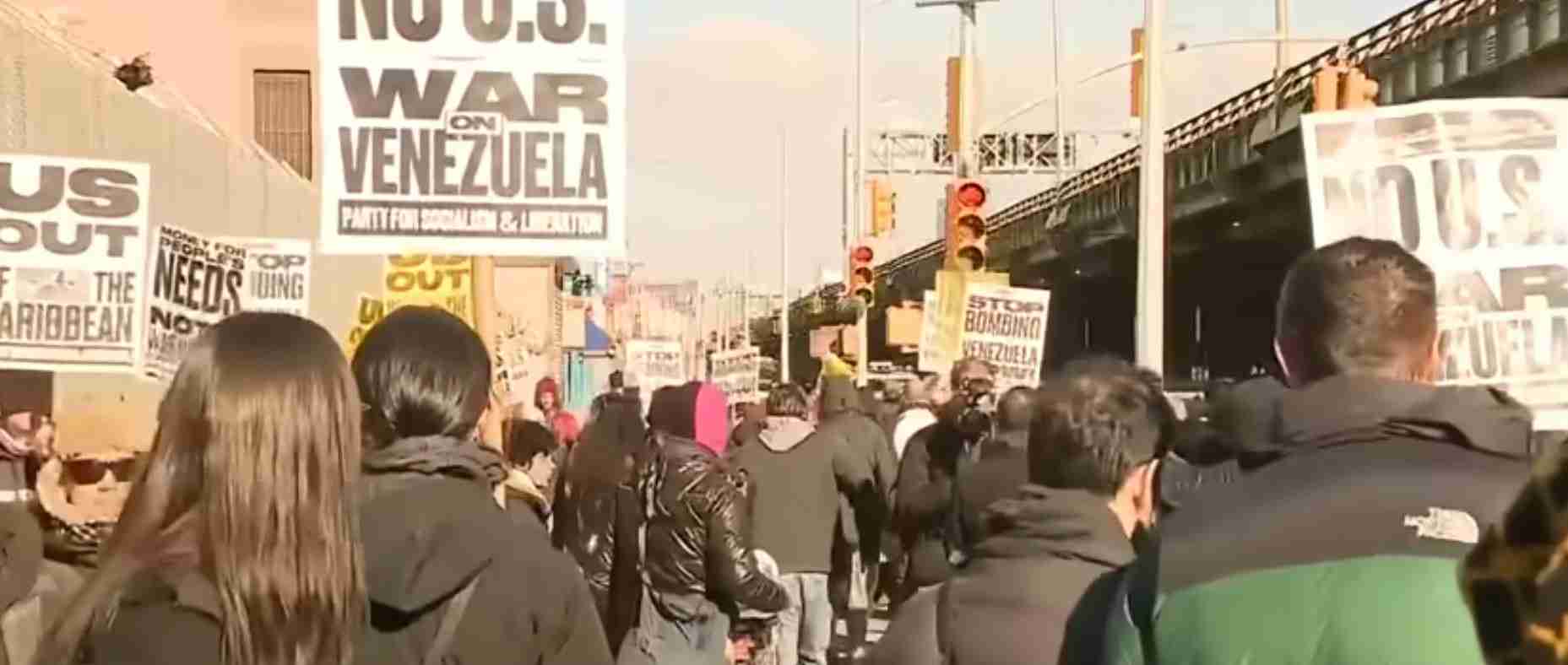
- Political consequences: The story will resonate with California’s large Venezuelan and Latin American communities and may prompt elected officials to clarify positions on U.S. action and drug policy.
- Social effects: Community organizations and law enforcement should prepare for potential changes in trafficking patterns and for outreach to address misinformation and public concern.
- Practical applications: State and local agencies may coordinate with federal partners to monitor operational shifts; community groups should be ready to provide legal aid and targeted outreach.