Claudio Manuel Neves-Valente identified as Brown University shooting suspect; found dead in New Hampshire storage unit
Claudio Manuel Neves-Valente, 48, a former Brown University student, has been identified as the suspect in the December 13 Brown shooting and the December 15 killing of an MIT professor; he was found dead in a Salem, New Hampshire, storage locker.
- Suspect identified: Claudio Manuel Neves-Valente, a Portuguese national and former Brown physics student, was named in both the Brown and MIT attacks.
- Discovery: Federal agents found Neves-Valente dead of an apparent self-inflicted gunshot on Dec. 18 in a Salem, New Hampshire, storage unit with a satchel and two firearms.
- Evidence: Investigators cited surveillance footage, vehicle and financial records linking Neves-Valente to scenes near Brown and the Brookline home of MIT professor Nuno Loureiro.
- Investigation ongoing: Authorities have not released a motive and continue forensic work and notifications to next of kin.
Key information and timeline
Suspect: Claudio Manuel Neves-Valente, 48, Portuguese national and former Brown University physics student. Authorities identified him as the suspect in the December 13 Brown campus shooting and the December 15 murder of an MIT professor.
Brown attack (Dec. 13, 2025): A masked gunman entered Barus and Holley Building, Room 166, during an ECON 0110 finals-week review session and opened fire. Two students were killed — one publicly identified as Ella Cook — and nine others were wounded. Witnesses reported chaos and trauma that complicated early interviews.
MIT professor murder (Dec. 15, 2025): Nuno Loureiro, a nuclear physicist with ties to Portugal and the U.S., was fatally shot at his Brookline, Massachusetts, home. Federal officials later named Neves-Valente as the suspect.
Discovery and closure of the manhunt
On the evening of Dec. 18, federal agents breached a storage unit in Salem, New Hampshire, after surrounding the facility for hours. They found Neves-Valente dead of an apparent self-inflicted gunshot wound, along with a satchel and two firearms. Rhode Island Attorney General Peter Neronha said authorities were “100% confident” the case was closed with that discovery.
Evidence linking Neves-Valente to the crimes
Investigators cited a combination of:
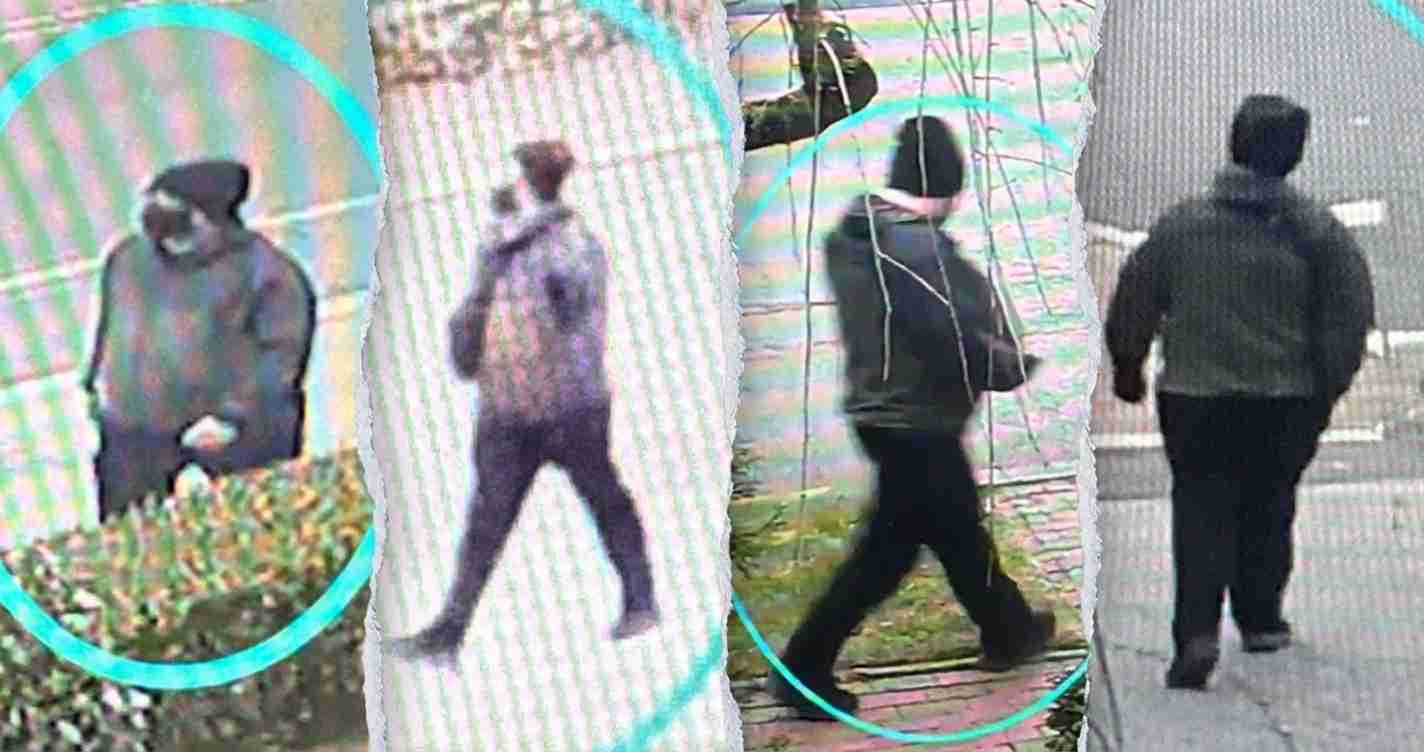
- Surveillance footage showing a masked, stocky man with an unusual walk near Brown and images matching a jacket worn by the suspect.
- Vehicle rental and financial records tying Neves-Valente to a rental car seen near Brown and to hotel stays in the area.
- Video placing the suspect within roughly a half-mile of Loureiro’s Brookline apartment and footage of a man entering the building.
Background on the suspect
According to Brown President Christina Paxson, Neves-Valente studied physics at Brown from fall 2000 through spring 2001, later taking a leave and formally withdrawing in 2003. Reports also note a person with the same name was terminated from a position at Instituto Superior Técnico in Portugal in 2000 — the same institution attended by Professor Loureiro — though investigators have not publicly released full employment-record details tying that record to the crimes.
Residency and immigration: Authorities say Neves-Valente’s last known U.S. residence was in Miami, Florida. He reportedly entered the United States in 2017 after receiving a green card through the diversity visa (visa lottery) program.
Motive and investigation status
Officials have not released a motive. The investigation remains active as prosecutors and investigators confirm forensic evidence and reconstruct Neves-Valente’s movements and contacts in the months and weeks before the attacks. U.S. Attorney Leah B. Foley publicly confirmed the suspect’s identification in the MIT professor murder and is coordinating with local and federal partners.
Search, standoff and New Hampshire discovery
The search involved local, state and federal agencies. Agents located a storage unit rented under a name and executed a tactical breach around 9 p.m. on December 18. Inside, they recovered the suspect deceased from an apparent self-inflicted gunshot wound and seized weapons and a satchel.
Implications for California
Economic and institutional: California colleges and universities may review campus security, controlled access, and emergency response plans, potentially increasing security spending and altering access during high-risk periods such as finals.
Political consequences: The suspect’s reported immigration path via the diversity visa program may fuel political debate over vetting and tracking of visa lottery recipients, while others urge caution against broad policy changes and stigmatizing immigrants.
Social and mental-health effects: Campuses may experience increased anxiety and demand transparent safety communication. The shootings underscore the need for robust mental-health resources, targeted counseling, and improved reporting mechanisms for concerning behavior.
Practical advice for residents and institutions
- Administrators should clearly communicate safety plans and active-shooter protocols; students and families should confirm emergency contacts and safe zones.
- Law enforcement and campus police should review rental and storage tracking and consider enhanced data-sharing for cross-jurisdictional investigations.
- Universities should bolster counseling services and crisis-intervention partnerships with local authorities.
Statement and next steps
Authorities said they will continue forensic testing, notify next of kin and provide support to families, students and employees affected by both incidents. Officials urged anyone with information to contact investigators as files are finalized for prosecutors.
Sources and further reading
Reporting on the identification and discovery is available from multiple outlets:
- Fox News: Claudio Manuel Neves-Valente identified, found dead
- CBS News: Suspect in Brown, MIT shootings identified (amp)
- CBS News: Suspect details and investigation
- Economic Times: Background on discovery in New Hampshire
For further information or to share tips, officials encourage the public to contact law enforcement as investigators complete forensic testing and notifications to next of kin.