Trump signs defense bill that boosts troop pay, reshapes Pentagon rules and trims some programs
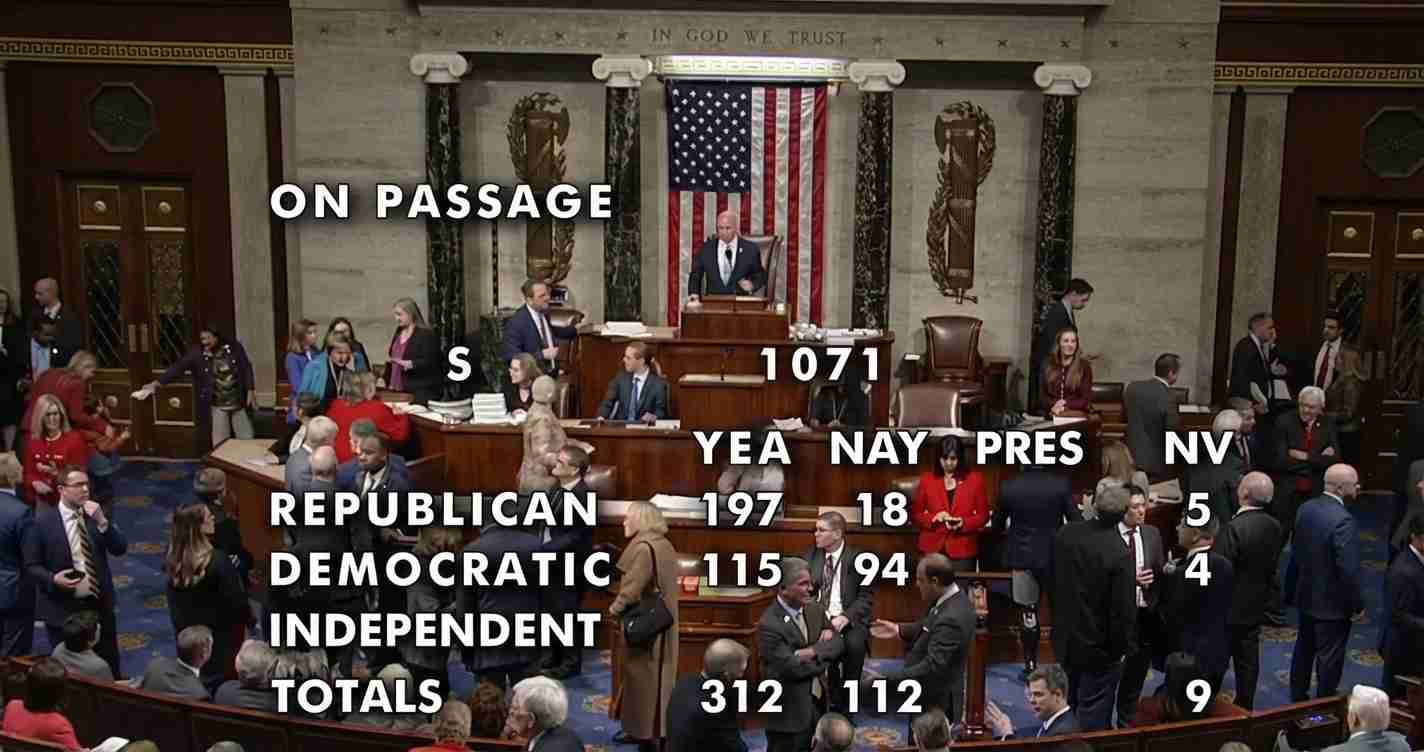
President Donald Trump on Dec. 18, 2025 signed a $901 billion National Defense Authorization Act that authorizes a 3.8% pay raise for troops, reforms Pentagon procurement and removes certain DEI provisions, among other notable policy changes.
- 3.8% pay raise for active-duty and reserve members to address inflation and retention concerns — KRCR-TV
- Procurement and acquisition reforms to speed buying of aircraft, ships and missiles while aiming to improve oversight — KRCR-TV
- Repeal of some DEI statutory provisions, including elimination of the Pentagon-level Chief Diversity Officer post — KRCR-TV
- Oversight demands pressing the Department of War for information on Caribbean boat strikes and extending the Pacific Deterrence Initiative through FY2026 — KRCR-TV
Key information
President Trump signed the $901 billion National Defense Authorization Act on Dec. 18, 2025 after bipartisan passage in the Senate and earlier House approval. For initial coverage and summaries, see KRCR-TV.
Details of the bill and what it changes
The NDAA sets funding and policy for U.S. military programs for the coming fiscal year and reflects priorities highlighted by lawmakers and the White House.
Troop pay raise and personnel matters
The bill authorizes a 3.8% across-the-board increase in base pay for active-duty and reserve members. That raise is intended to ease inflationary pressure on military families and bolster retention amid recruiting and readiness challenges. The NDAA also sets end-strength targets and funds military construction to preserve readiness. KRCR-TV
Procurement and weapons purchasing overhaul
A major component orders reforms to Pentagon weapons purchasing designed to speed acquisitions of aircraft, ships and missile systems, improve oversight and reduce cost overruns. Supporters say reforms will increase agility; critics caution against faster buying without tighter checks. KRCR-TV
Indo-Pacific posture and Pacific Deterrence Initiative
The NDAA extends the Pacific Deterrence Initiative through fiscal 2026, signaling sustained U.S. emphasis on the Indo-Pacific. Funding targets forward posture, exercises and infrastructure to deter strategic competitors and counter growing regional threats. KRCR-TV
DEI repeal and cultural changes at the Pentagon
The law removes several statutory DEI provisions, including elimination of the Chief Diversity Officer post at the department level. Proponents argue this refocuses on merit and readiness; opponents warn it could harm recruiting, retention and unit cohesion. KRCR-TV
Oversight of Department of War operations and questions raised
Congress pressed the Department of War and Secretary Pete Hegseth for greater transparency after deadly U.S. maritime strikes in the Caribbean that officials say killed suspected smugglers. Senate leaders sought unedited footage and fuller briefings to address use-of-force and accountability concerns. KRCR-TV
Biotech and other emerging threats
Lawmakers require a Pentagon strategy on the national security implications of emerging biotechnologies, reflecting concerns about gene editing, synthetic biology and related fields. The NDAA also funds work across the Department of Energy and the Defense Nuclear Facilities Safety Board. KRCR-TV
What the sources say — and what they do not
Initial reporting emphasizes troop pay, procurement reform, DEI repeal and oversight of Caribbean strikes. While some discussion mentioned Ukraine funding or Baltic support, summaries at signing did not document sweeping changes to European commitments; focus appears on U.S. readiness and Indo‑Pacific deterrence. KRCR-TV
Implications for California
Economic impact
California’s shipyards, bases and defense contractors may benefit from procurement authorizations and construction projects, potentially bringing contracts and jobs to San Diego, Long Beach, the Bay Area and the Central Valley. The troop pay raise will also put more money into local economies near major bases. KRCR-TV
Political consequences
For California conservatives and leaders the NDAA sends mixed signals: the pay raise and procurement reforms appeal broadly, while the DEI repeal will be welcomed by some and criticized by others. Local officials must navigate translating national priorities into tangible benefits for bases and industries. KRCR-TV
Social effects and military families
A near 4% pay raise can ease financial strain for service members and their families in high-cost California communities. However, repealing DEI offices may affect recruiting and retention among diverse populations that many bases rely on. KRCR-TV
Cultural relevance and practical effects
The NDAA’s biotechnology strategy connects with Silicon Valley, Bay Area labs and universities, creating partnership and regulatory questions for local firms in gene editing and synthetic biology. Practical effects include potential contract work, increased base activity and modest local economic boosts. KRCR-TV
Oversight, transparency and local accountability
California voters and representatives have a stake in ensuring the law yields clear oversight. The NDAA’s demands for Caribbean strike information demonstrate Congress can press for accountability; local officials should monitor procurement implementation to protect taxpayer interests. KRCR-TV
Reporting note
This report draws on initial coverage and summaries of the NDAA as reported by KRCR-TV. The full text contains more detailed provisions that analysts and oversight bodies will parse in the coming weeks.
Note: Reporting uses the term Department of War as it appears in some briefs and congressional materials.